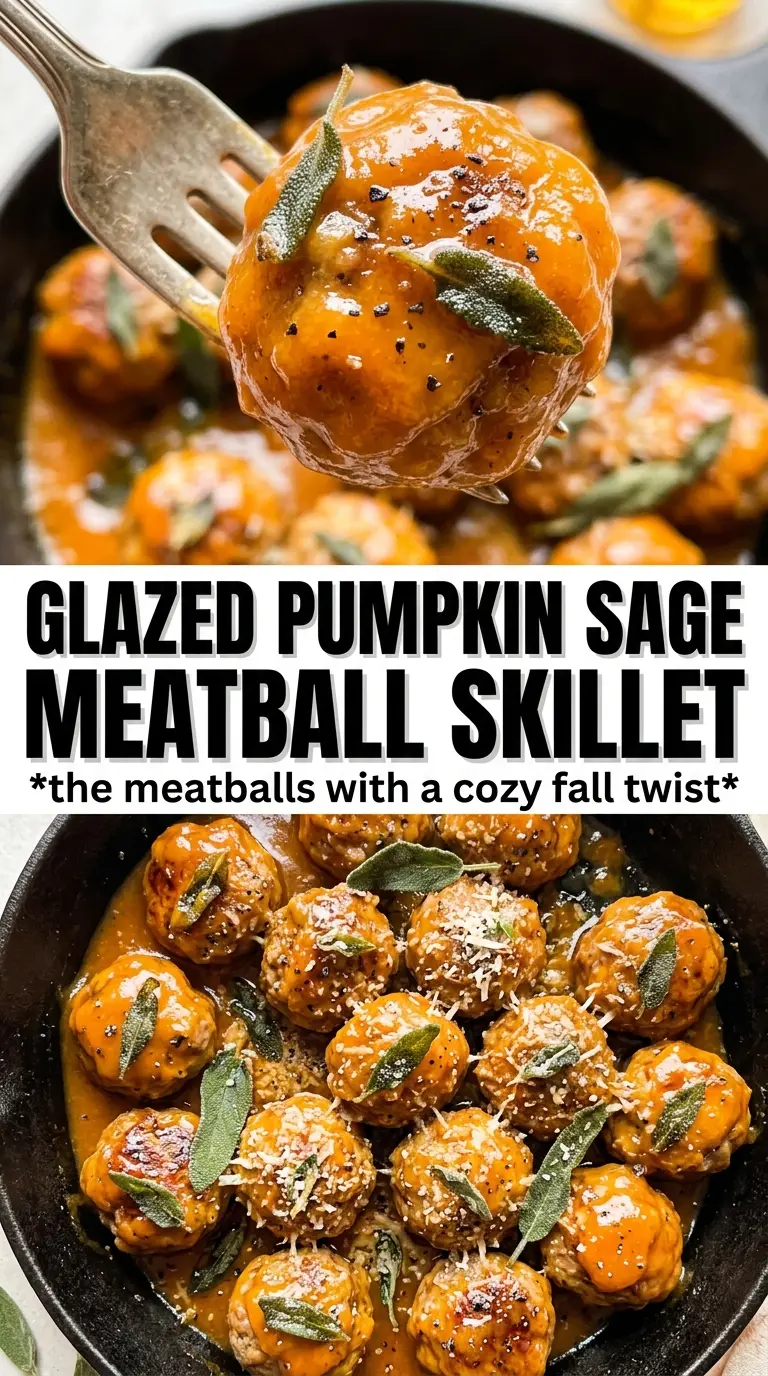
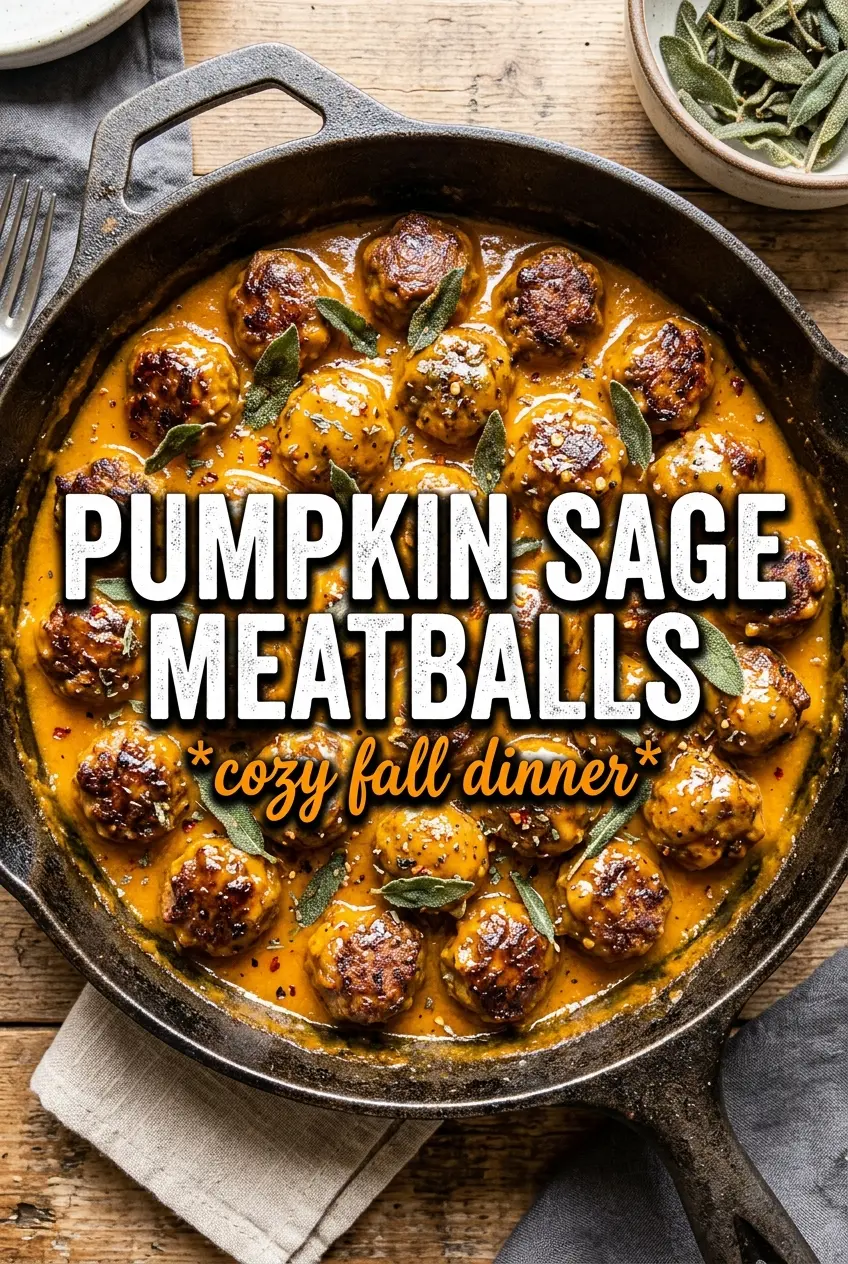
Pumpkin sage meatballs land somewhere between cozy comfort food and a weeknight dinner that feels a little special. The meatballs stay tender and savory, the pumpkin cream sauce turns silky without tasting heavy, and the crispy sage on top gives every bite a clean herbal finish that keeps the whole dish from feeling flat.
What makes this version work is balance. Pumpkin goes into both the meatballs and the sauce, but not enough to make them taste sweet or squash-like. It just adds moisture, body, and a subtle earthiness that plays well with pork, beef, parmesan, and garlic. Browning the meatballs first matters too, because that crust gives the sauce deeper flavor once everything simmers together.
Below, I’ll walk through the part that matters most: how to keep the meatballs tender, how to build a pumpkin cream sauce that stays smooth, and which swaps still give you a good result when you need to use what’s already in the kitchen.
The sauce turned out creamy and smooth, and the sage in the meatballs made the whole dish taste layered instead of just pumpkin-heavy. I served it over polenta and the meatballs stayed tender all the way through.
Pumpkin sage meatballs with silky pumpkin cream sauce and crispy sage deserve a spot in your dinner rotation.
The Trick to Keeping Pumpkin from Turning the Sauce Thick and Gritty
Pumpkin can make a sauce taste rich and autumnal, but it can also go past creamy fast if you dump it into a hot pan and rush the dairy. The key here is to let the pumpkin cook with the garlic for a minute first, then add the cream and parmesan over moderate heat so the sauce emulsifies instead of tightening into paste. If the pan is screaming hot when the dairy goes in, the sauce is much more likely to look broken or grainy.
The other thing that matters is how the meatballs finish in the sauce. They should be browned enough to carry flavor, but not cooked all the way through before they go back into the skillet. That final simmer is what lets them absorb the sauce without drying out, and it gives the pumpkin base a chance to thicken around the meatballs instead of sitting underneath them like a separate gravy.
What Each Ingredient Is Actually Doing in These Meatballs
- Ground pork or beef — Pork gives the meatballs a little more richness, while beef brings a deeper savory flavor. Either one works well, and a blend is excellent if you have it. Choose the leanest version you can without going dry, because the pumpkin and egg already add moisture.
- Pumpkin puree — This is doing more than adding flavor. It helps keep the meatballs tender and gives the sauce its body. Use plain pumpkin puree, not pumpkin pie filling, or the dish will come out sweet and spiced in the wrong way.
- Breadcrumbs and egg — These hold the mixture together and keep the texture light instead of dense. If you skip either one, the meatballs can shrink and feel tight. For gluten-free meatballs, use gluten-free breadcrumbs or crushed gluten-free crackers in the same amount.
- Parmesan — The parmesan brings salt, savoriness, and a little bite that balances the pumpkin. Freshly grated melts better than the shelf-stable stuff, especially in the sauce. If you only have pre-grated parmesan, it will still work, but the sauce won’t be quite as smooth.
- Fresh sage and garlic — Fresh sage matters here because it gives the dish that unmistakable herbal edge. Dried sage can work in a pinch, but use less and crush it between your fingers first. Garlic shows up in both the meatballs and the sauce, so it should taste mellow and fragrant, not sharp.
- Heavy cream — This is what turns pumpkin into a silky sauce instead of a thick puree. Half-and-half can work, but the sauce will be thinner and a little less luxurious. If you want to cut back on dairy, full-fat coconut milk is the closest substitute, though it changes the flavor.
Building the Sear Before the Sauce Goes In
Mixing Without Overworking
Combine the meatball mixture just until everything looks evenly distributed. If you keep mixing after that, the meatballs turn tight and bouncy instead of tender. The mixture should hold together when rolled, but it shouldn’t feel pasty. Roll them into even 1.5-inch balls so they cook at the same rate.
Browning for Real Flavor
Use a large skillet and enough olive oil to coat the bottom. You’re looking for a deep golden crust, not a pale color that only looks cooked. Give the meatballs space; if the pan is crowded, they steam and the browning disappears. Pull them out once the outside is set, even if they’re still underdone in the center.
Turning the Pan Drippings into Sauce
Sauté the garlic briefly, then stir in the pumpkin, cream, parmesan, and nutmeg. The sauce should look glossy and smooth after a few minutes of gentle simmering. If it starts to bubble hard, lower the heat right away. That’s the point where dairy can separate and parmesan can clump.
Finishing the Meatballs in the Skillet
Slide the browned meatballs back into the sauce and simmer until they’re cooked through and the sauce coats the spoon. This final cook should be gentle, not aggressive, because the sauce thickens as the meatballs release a little moisture and the parmesan melts fully. Fry the sage separately until crisp, then scatter it over the top with a little extra parmesan right before serving.
How to Adapt These Pumpkin Sage Meatballs Without Losing the Point
Gluten-Free Version
Swap the breadcrumbs for gluten-free breadcrumbs or finely crushed gluten-free crackers. The texture stays close to the original as long as you use the same amount and don’t overmix. The sauce is already gluten-free as written, so this is an easy adaptation.
Dairy-Free Version
Use a dairy-free parmesan-style cheese in the meatballs and replace the cream with full-fat coconut milk. The sauce will be a little sweeter and slightly less sharp, so add a pinch more salt and black pepper if it tastes soft. This version still gives you a creamy skillet sauce without dairy.
Lighter Pork-and-Turkey Option
Use half ground pork and half ground turkey if you want something a little leaner. Turkey alone can dry out faster, but the pumpkin helps keep it workable. Keep the simmer gentle and stop cooking as soon as the centers reach doneness.
Storage and Reheating
- Refrigerator: Store leftovers in an airtight container for up to 4 days. The sauce thickens as it chills, so it may look looser when reheated and then settle back into a creamy texture.
- Freezer: These freeze well, especially if you cool them completely first. Freeze in a shallow container for up to 2 months, and thaw overnight in the refrigerator before reheating.
- Reheating: Warm gently on the stovetop over low heat with a splash of cream or broth to loosen the sauce. High heat can make the dairy separate and can dry out the meatballs before the center is hot.
Questions I Get Asked About This Recipe
Pumpkin Sage Meatballs
Ingredients
Equipment
Method
- In a large skillet, mix ground pork or beef with pumpkin puree, breadcrumbs, parmesan, egg, minced fresh sage, minced garlic, salt, and pepper until just combined. Stop mixing as soon as no dry crumbs remain.
- Roll the mixture into 1.5-inch balls and place them on a sheet pan. Keep them uniform so they cook evenly.
- Heat olive oil in the cast iron skillet over medium-high heat, then brown the meatballs on all sides and transfer them to a plate. Cook until the outsides are golden and set, about 4 to 6 minutes per batch.
- In the same skillet, sauté garlic until fragrant, then add pumpkin, heavy cream, parmesan, and nutmeg. Stir to combine until the sauce looks smooth.
- Simmer the sauce for 5 minutes, stirring occasionally, until slightly thickened and steaming. You should see small bubbles around the edges.
- Return the browned meatballs to the sauce and simmer for 15 minutes until cooked through. Keep the sauce at a gentle simmer so the meatballs stay tender.
- Fry fresh sage until crisp and bright green, then top the meatballs with the crispy sage and extra parmesan. Add it right before serving so the sage stays crunchy.
- Serve the pumpkin sage meatballs over pasta or polenta with the creamy sauce. Spoon sauce generously so every bite is coated.