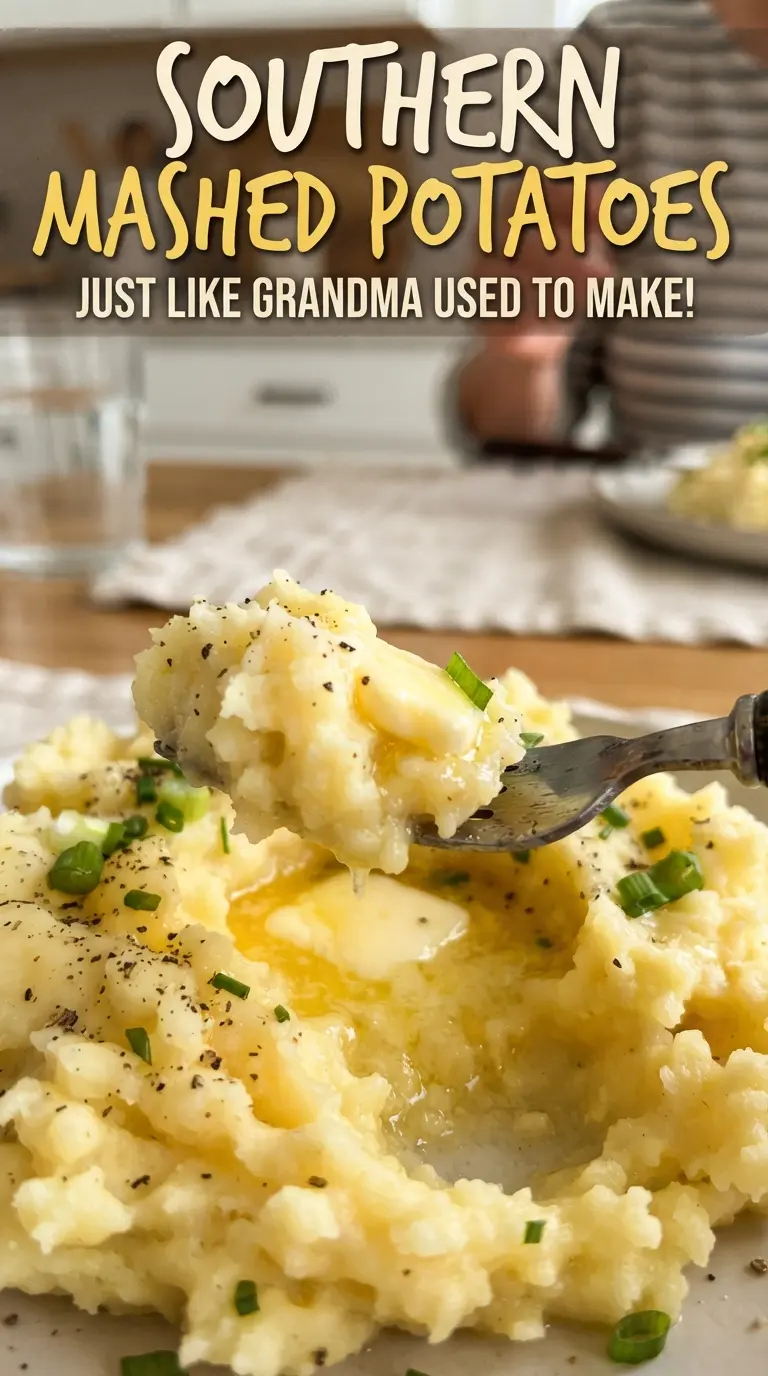
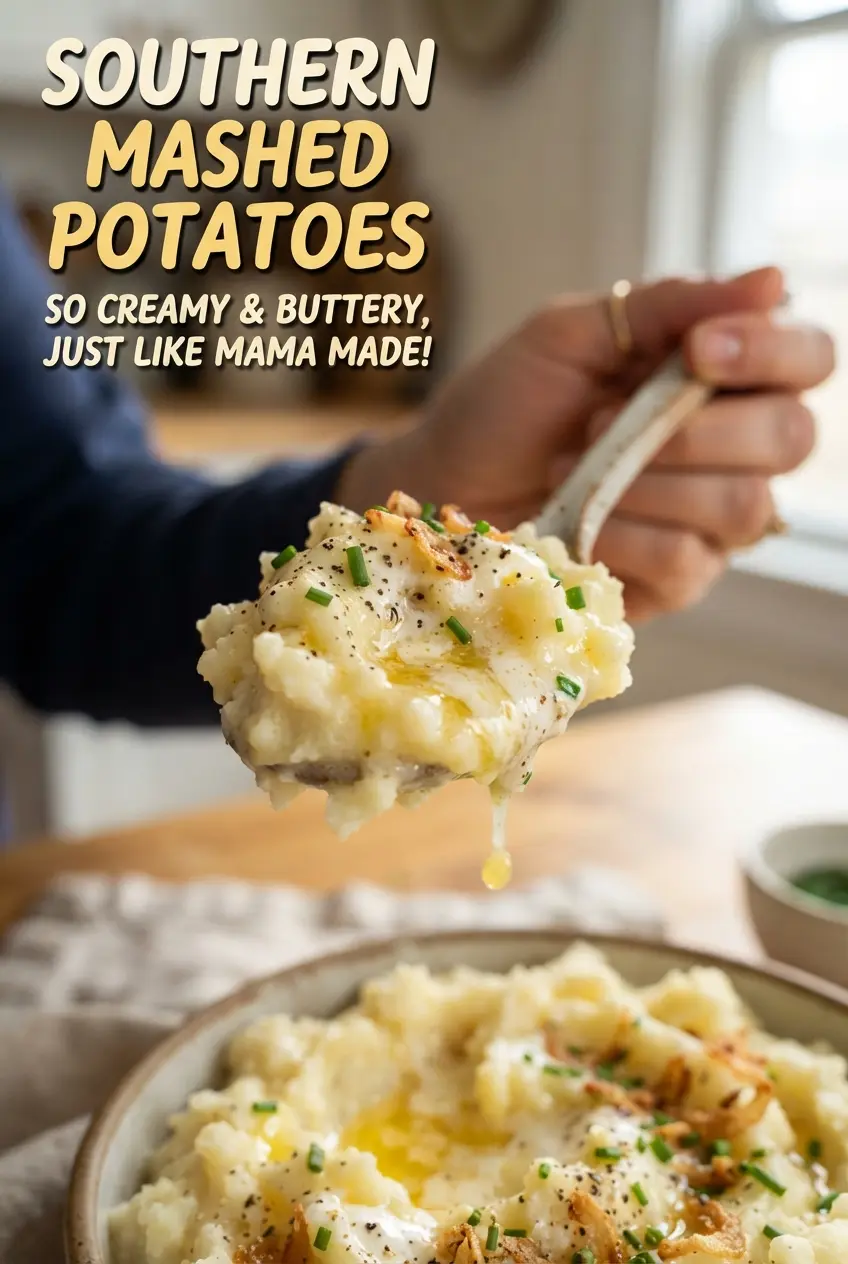
Southern mashed potatoes should land on the plate fluffy, rich, and just loose enough to settle into a creamy mound instead of sitting there like glue. The best ones taste like butter first, then potato, with a little tang from sour cream that keeps the whole bowl from feeling heavy. When they’re done right, they’re the side dish people keep returning to with the fried chicken, gravy, or whatever else is on the table.
The trick is to dry the potatoes after draining and before adding the dairy. That step sounds small, but it keeps the mash from turning watery. Russets are the right choice here because they break down into a light, fluffy texture instead of going waxy, and the mix of evaporated milk, sour cream, and warm whole milk gives you body, tang, and enough looseness to keep the potatoes creamy without getting thin.
Below, I’ll walk through the small details that make these mashed potatoes taste like they came out of a well-seasoned Southern kitchen, plus a few smart ways to adapt them if you’re working with what you have.
The potatoes stayed fluffy instead of turning gummy, and the sour cream gave them a little tang that made the butter taste even richer. I served them with roast chicken and my husband went back for seconds before he’d finished the first plate.
Save these creamy Southern mashed potatoes for the next time you need a buttery, fluffy side with a little sour cream tang.
The Step That Keeps Southern Mashed Potatoes Fluffy Instead of Gluey
Mashed potatoes go wrong fast when they’re worked too hard. Once the starch in russets gets overmixed, the texture turns sticky and pasty instead of light. The fix is simple: mash them while they’re hot, add the butter first so it coats the starch, and stop as soon as the mixture looks smooth. A hand masher gives you the best control here; a mixer is where fluffy potatoes turn into wallpaper paste.
Drying the potatoes in the pot after draining matters more than people think. Even a little trapped water dilutes the butter and dairy and makes the final bowl taste flat. That one minute over low heat gives you a cleaner potato flavor and a thicker, more stable mash.
Why Each Dairy Ingredient Earns Its Place
- Russet potatoes — These are the right potatoes for a fluffy Southern mash. Their dry, starchy texture breaks down cleanly and soaks up dairy without turning waxy. Yukon Golds can work in a pinch, but the result will be denser and more buttery than airy.
- Salted butter — Butter goes in first because it coats the hot potato and builds richness before the liquids loosen everything up. Salted butter helps season the mash from the inside, and if you only have unsalted, add an extra pinch of salt to the finished potatoes.
- Evaporated milk — This gives the potatoes a deeper, almost silky richness that regular milk alone doesn’t match. It’s the ingredient that makes the mash taste a little old-fashioned and a little more substantial without making it heavy.
- Sour cream — This is what keeps the flavor from going flat. It adds tang and creaminess, and plain Greek yogurt can substitute if needed, though the finish will be a little sharper and less lush.
- Warm whole milk — Warm milk blends in smoothly and keeps the potatoes from cooling down too fast. Cold milk can tighten the mixture and make you stir longer than you should.
Building the Potatoes So They Taste Rich, Not Heavy
Boiling Until the Centers Collapse Easily
Cover the cubed potatoes with salted water and cook until a knife slides through with no resistance at all. If the centers are even a little firm, you’ll end up with lumps that never fully smooth out. Drain them well and let them sit in the hot pot for a minute so excess moisture evaporates before the dairy goes in.
Mashing While the Potatoes Are Still Hot
Add the butter to the hot potatoes first and mash until it disappears into the flesh. That order matters because the butter melts into the starch and gives you a smoother base than if you dump in all the liquid at once. Keep the pressure gentle and stop mashing as soon as the texture turns smooth.
Finishing With Dairy and Seasoning
Stir in the evaporated milk, sour cream, and warmed whole milk a little at a time until the potatoes look creamy but still hold a soft mound. If they seem too thick, add a splash more warm milk instead of overworking them. Season at the end with salt and plenty of black pepper, then make a little well in the center for that final pat of butter.
How to Adjust These Potatoes Without Losing the Southern Feel
Make them a little lighter
Cut the butter back slightly and add a little more warm milk if you want a softer, less rich bowl. The potatoes will still be creamy, but they’ll taste cleaner and less indulgent. Don’t replace both the sour cream and evaporated milk at the same time or the mash loses the signature Southern tang and body.
Dairy-free version
Use a good plant-based butter, unsweetened oat milk, and a plain dairy-free sour cream substitute. Oat milk gives the closest creamy texture without an odd flavor, and the potatoes still get that soft, spoonable finish. The result won’t be quite as rich, but the texture holds up well.
Garlic and chive variation
Stir in a little roasted garlic or finely sliced chives at the end for a sharper, more savory edge. Add them after the potatoes are creamy so they stay visible and don’t disappear into the mash. This works especially well if you’re serving the potatoes with roast chicken, ham, or fried catfish.
Storage and Reheating
- Refrigerator: Store in an airtight container for up to 4 days. They’ll firm up as they chill, which is normal.
- Freezer: These freeze better than many mashed potatoes because of the butter and sour cream. Freeze in portions, then thaw overnight in the fridge before reheating.
- Reheating: Reheat gently on the stove or in the microwave with a splash of milk. The common mistake is blasting them on high heat, which makes the dairy separate and the texture turn grainy.
Questions I Get Asked About This Recipe
Southern Mashed Potatoes
Ingredients
Equipment
Method
- Bring a Dutch oven of salted water to a boil and add the peeled and cubed russet potatoes. Boil for 15–20 minutes until very tender, then drain well.
- Return the drained potatoes to the Dutch oven over low heat and cook for 1 minute to dry. Stop as soon as steam lifts to avoid scorching.
- Mash the potatoes with salted butter until smooth and free of lumps. Keep mashing until the texture looks creamy and cohesive.
- Stir in evaporated milk, sour cream, and warmed whole milk until the mixture turns creamy. Mix steadily until the potatoes look glossy and thick.
- Season with salt and plenty of black pepper, mixing through evenly. Taste and adjust so the flavor is balanced and peppery.
- Spoon the mashed potatoes into a serving bowl and make a well in the center. Add an extra pat of butter into the well and serve with cracked black pepper on top.