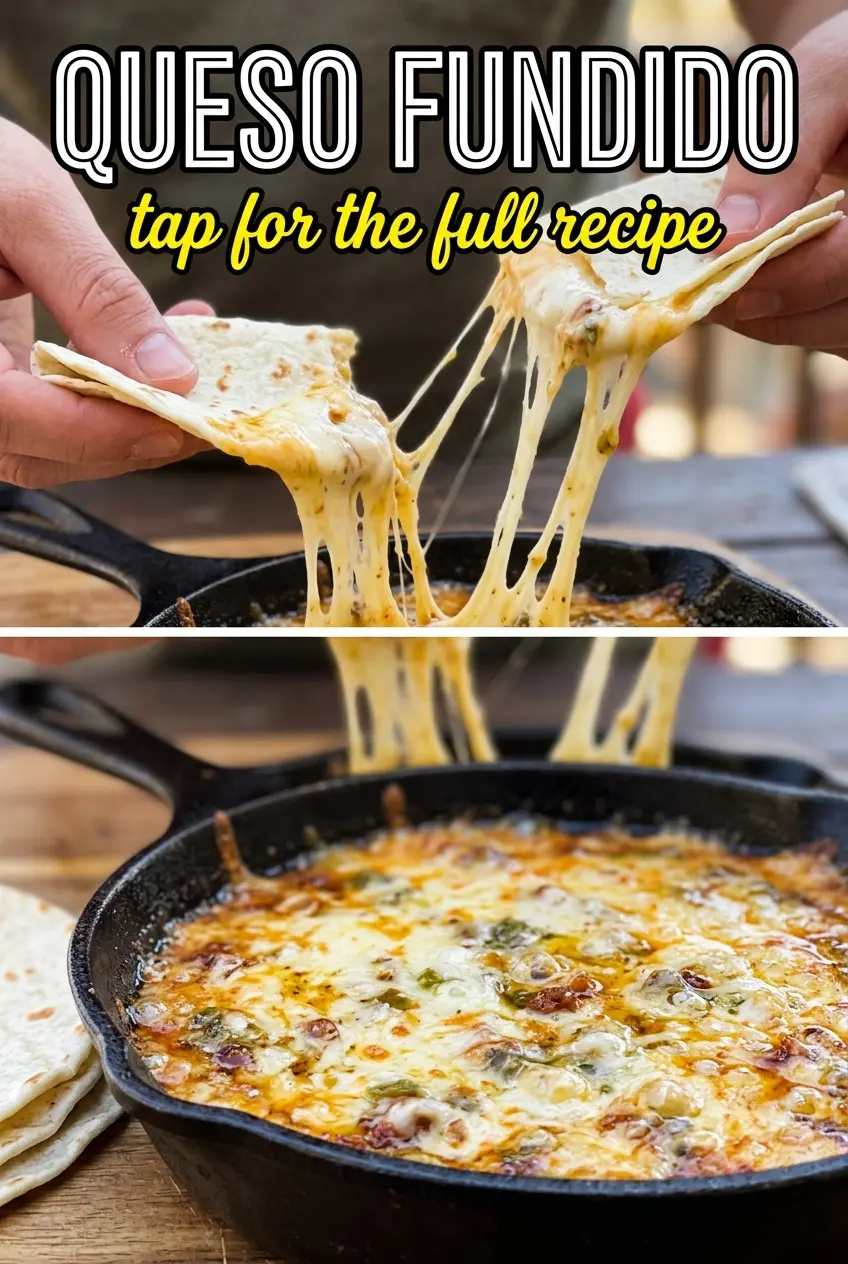
Bubbling queso fundido has a way of disappearing fast, mostly because the pan hits the table at peak stretch: browned chorizo underneath, melted cheese on top, and just enough jalapeño heat to keep each scoop interesting. The best version isn’t about piling on more cheese; it’s about using the right cheeses so the skillet melts smooth instead of turning oily or stringy in the wrong way.
That balance matters. Oaxaca or mozzarella gives you the pull, Chihuahua or asadero melts into the sauce, and a little Cotija adds the salty edge that keeps the whole dip from tasting flat. The chorizo needs enough time to brown and leave behind those seasoned bits in the pan, because that’s where the depth comes from. Once the cheese goes in, gentle heat and a little cream keep it glossy instead of grainy.
Below, I’ll walk through the part that matters most: how to keep the cheese creamy all the way to the last scoop, plus the swaps that work when you don’t have all three cheeses on hand.
The cheese melted into a smooth skillet dip instead of turning greasy, and the chorizo plus jalapeños gave it just enough heat without overpowering the cheese. We kept sneaking chips into the pan until it was gone.
Save this chorizo queso fundido for the next time you want a skillet appetizer with real stretch, smoky heat, and a cheese pull that lasts past the first chip.
The Cheese Pull Starts with the Pan, Not the Cheese Alone
The most common mistake with queso fundido is treating it like a sauce that can sit over steady heat forever. It can’t. Once the cheese melts, it wants low heat and fast serving, or the fats separate and the dip turns greasy around the edges while the center goes pasty.
A cast iron skillet helps because it holds heat without scorching, which keeps the dip fluid at the table. That said, the pan is only half the job. The chorizo needs to brown before the cheese goes in, and the garlic and jalapeños need that brief sizzle in the rendered fat so they taste cooked instead of raw and sharp.
- Brown the chorizo fully — the flavor comes from letting it caramelize a little, not just warm through. If there’s a lot of fat in the pan, drain off a little before adding the cheese so the finished dip stays rich instead of oily.
- Use a mix of melting cheeses — one stretchy cheese and one smoother melting cheese give the best texture. All mozzarella works in a pinch, but the flavor is milder and less complex than a mix with Chihuahua or asadero.
- Add the Cotija at the end or on top — it brings salt and a crumbly finish, but it doesn’t melt into the same silky base as the other cheeses. That contrast is part of what makes each bite taste layered.
- Keep the heat low once the cheese is in — high heat is what breaks the dip and makes it grainy. If the cheese isn’t melting fast enough, cover the pan for a minute rather than turning up the burner.
What Each Cheese Is Actually Doing in This Queso Fundido
Each cheese has a different job here, and that’s why this dip lands with the right stretch, body, and salt. If you swap in one single cheese and expect the same result, you usually get either a rubbery pull or a puddle of grease. The mix matters more than any one fancy ingredient.
- Oaxaca or mozzarella — this is the cheese that gives you those long, dramatic strings. Oaxaca is the best fit because it melts softly and tastes a little richer, but low-moisture mozzarella works when that’s what you can find.
- Chihuahua or asadero — this is the smoother base that turns the mix into an actual dip instead of a pile of melted strands. If you can’t find either one, Monterey Jack is the closest practical substitute.
- Cotija — think of this as seasoning with texture. It sharpens the cheese without making the dip salty all the way through, so use a light hand if your chorizo is already well seasoned.
- Heavy cream — the cream helps the cheeses melt together into a glossy skillet dip. You don’t need much, but skipping it can leave the cheeses tighter and more likely to clump before they fully loosen.
- Chorizo — this is not just a topping. Its rendered fat seasons the pan and carries the garlic and jalapeño, which is why the dip tastes fuller than plain melted cheese ever does.
Building the Skillet in the Right Order
Let the Chorizo Render First
Cook the chorizo in a cast iron skillet over medium heat, breaking it into small pieces as it browns. You want some crisp edges and a little rendered fat in the pan, because that fat carries the aromatics into the cheese. If you rush this stage and add the garlic too soon, it’ll burn before the chorizo has a chance to develop flavor.
Wake Up the Garlic and Jalapeños
Stir in the minced garlic and diced jalapeños for about a minute, just until fragrant. The garlic should smell toasted and sweet, not sharp or browned. If the pan looks dry, the chorizo likely didn’t render enough fat, so keep the heat moderate rather than cranking it higher.
Melt the Cheese in Layers
Add the shredded cheeses and cream, then stir often as the cheese begins to soften. The mixture should move from separate shreds to a thick, stretchy mass, then into a smooth dip. If it starts to look greasy, pull the skillet off the heat for a few seconds and stir; residual heat is usually enough to finish the melt without breaking it.
Finish and Serve While It’s Loose
Top the skillet with onion and cilantro, then bring it straight to the table with warm tortilla chips. The dip is best when it still has a little movement at the center. Once it sits too long, it firms up fast, so serve it as soon as it looks glossy and fully melted.
How to Adapt This for a Crowd, a Lighter Version, or What’s in Your Fridge
Make It Vegetarian
Skip the chorizo and sauté the garlic, jalapeños, and onion in a tablespoon of oil with smoked paprika and a pinch of cumin. You’ll lose the savory richness from the pork, but the dip stays bold if you season the base well and finish with the same cheese blend.
Use All Mozzarella in a Pinch
If you can’t find Oaxaca, Chihuahua, or asadero, use mozzarella and accept a milder, more elastic finish. It’ll still melt well, but the dip needs the Cotija and chorizo to carry the flavor because mozzarella on its own is pretty neutral.
Make It Milder for a Mixed Crowd
Use fewer jalapeños and remove the seeds before dicing them. The peppers still bring freshness and a little bite, but the heat stays in the background instead of dominating the cheese.
Storage and Reheating
- Refrigerator: Store leftovers in an airtight container for up to 3 days. The texture firms up as it chills, and the cheese will separate slightly when reheated.
- Freezer: I don’t recommend freezing this dip. Melted cheese sauces usually lose their smooth texture after thawing, and queso fundido is all about that soft pull.
- Reheating: Rewarm it gently in a skillet over low heat or in short bursts in the microwave, stirring between each one. High heat is what makes the cheese split, so low and slow is the only way to keep it creamy again.
Questions I Get Asked About This Recipe
Queso Fundido
Ingredients
Equipment
Method
- Heat a cast iron skillet over medium-high heat and cook the chorizo, breaking it apart as it cooks until browned, about 8-10 minutes. You should see the fat render and the bits turn deeper in color.
- Add the minced garlic and diced jalapeños to the browned chorizo and cook for 1 minute until fragrant, stirring constantly. The jalapeños should look slightly glossy and the garlic should smell toasted.
- Lower the heat to medium and add the Oaxaca, Chihuahua, and Cotija cheeses along with the heavy cream. Stir frequently until completely melted and smooth, about 5-7 minutes, with a thick bubbling texture.
- Scatter the diced onion and chopped cilantro over the melted cheese and stir just until combined. Serve immediately in the cast iron skillet with warm tortilla chips for dipping, keeping warm over low heat if needed.