Soft, pillowy pumpkin gnocchi are one of those dishes that reward a little patience with a plate that tastes far more special than the ingredient list looks at first glance. When the dough is balanced, each bite turns tender and light instead of dense or gummy, and the brown butter with crisp sage gives the whole dish a nutty, savory finish that keeps the pumpkin from leaning sweet. It’s the kind of dinner that feels cozy without being heavy.
The trick is starting with pumpkin and ricotta that are dry enough to behave. Too much moisture is what turns gnocchi into a sticky mess, so blotting and draining matter here more than they would in a baked dish. I also keep the flour modest and stop as soon as the dough comes together; adding too much makes the gnocchi tough instead of delicate. Brown butter works beautifully with pumpkin because it adds depth without crowding the flavor, and the walnuts give just enough crunch to break up the softness.
Below, I’ve laid out the part that matters most: how to judge the dough before you roll it out, plus the small cues that tell you when the butter is browned and the sage is ready. Those are the details that make this recipe come out right the first time.
The gnocchi held together beautifully after chilling the dough for a few minutes, and the brown butter with crispy sage made the whole bowl taste restaurant-worthy. I was surprised how light they were after boiling.
Save these pumpkin gnocchi with brown butter and crispy sage for the night you want soft, golden dumplings with a nutty finish.
The Dough Falls Apart When the Pumpkin Is Too Wet
Pumpkin gnocchi can go from tender to stubborn fast, and the difference usually comes down to moisture. Pumpkin puree and ricotta both carry more water than you think, and if that water stays in the dough, you end up adding flour until the gnocchi taste bready instead of soft. Drying the puree and draining the ricotta are not extra steps here; they’re the reason the dumplings stay light.
The other trap is overworking the dough. Once the egg, parmesan, nutmeg, salt, and flour come together, stop mixing as soon as you have a cohesive mass. The dough should feel soft and a little tacky, not sticky enough to coat your hands. If it looks smooth and polished like bread dough, it has already gone too far.
- Pull moisture out of the pumpkin and ricotta before you start mixing. That gives you room to use less flour.
- Use just enough flour to hold the dough together. Extra flour makes the gnocchi dense.
- Keep the mix gentle. The less you handle it, the lighter the final texture.
- Work in small batches when shaping so the dough doesn’t warm up and get stickier.
What Each Ingredient Is Actually Doing in This Bowl
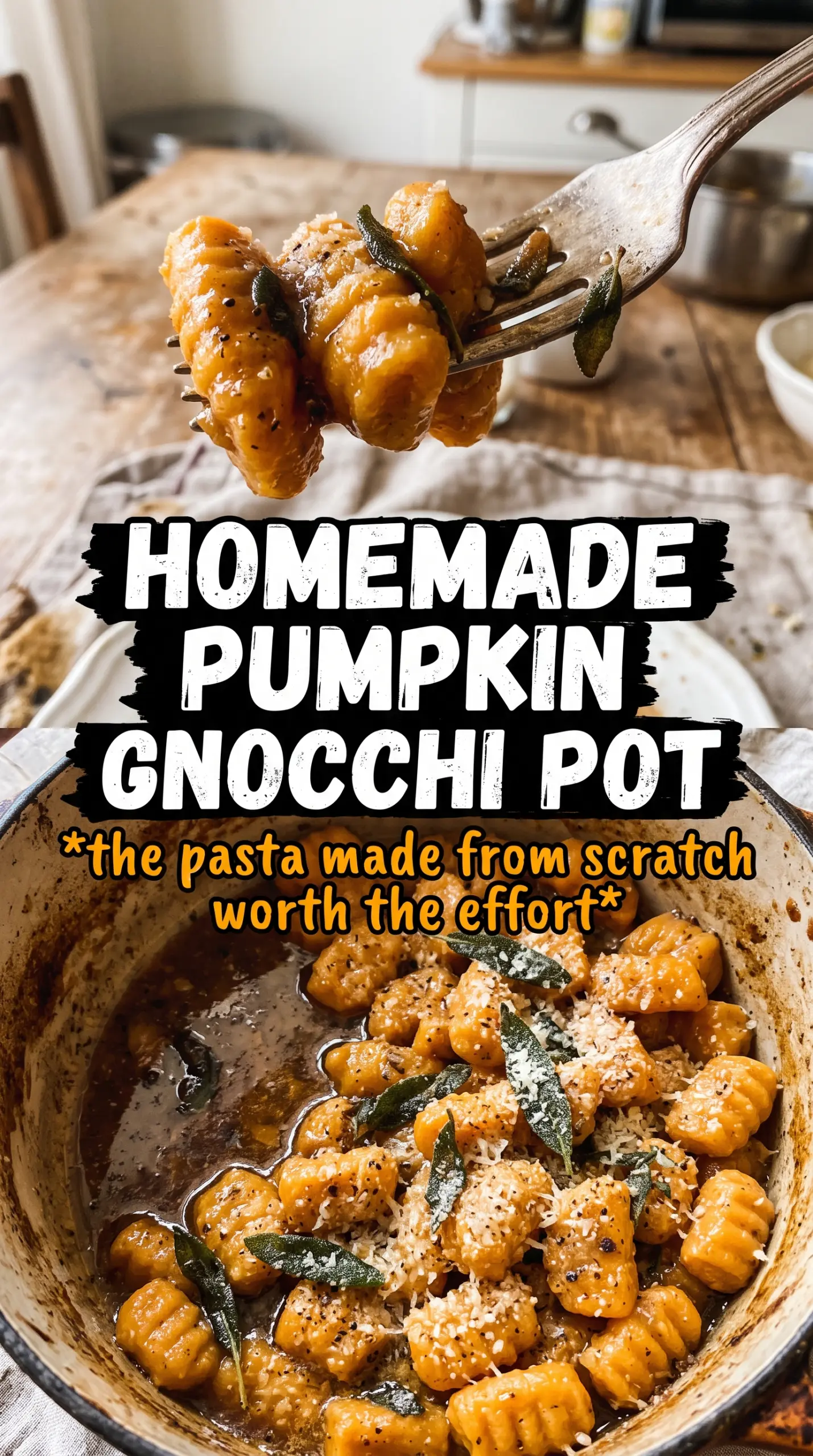
- Pumpkin puree — This brings the flavor and color, but it needs to be blotted dry or the gnocchi won’t hold. Canned pumpkin works well here because it’s consistent, and it’s usually drier than fresh purée that’s been loosened in a blender.
- Ricotta — Ricotta adds tenderness and a softer, more luxurious texture than pumpkin alone. Drain it well; watery ricotta is one of the fastest ways to end up with sticky dough.
- Egg — The egg binds everything together so the pillows survive shaping and boiling. One egg is enough; a second one pushes the texture toward custardy and makes the dough harder to manage.
- Finely grated parmesan — Parmesan seasons the dough from the inside and gives it structure without adding much moisture. Grate it finely so it disappears into the dough instead of making it clumpy.
- All-purpose flour — This is the brake pedal, not the star. Start with the smaller amount and add only what you need to form a soft dough, because too much flour is the difference between pillowy gnocchi and dumplings that chew like rolls.
- Brown butter, sage, and walnuts — These finish the dish with nuttiness, fragrance, and crunch. The butter should be unsalted so you control the seasoning, and the sage leaves should go in long enough to crisp but not so long that they taste bitter.
How to Shape, Boil, and Finish Them Without Losing the Tender Texture
Building the Dough
Mix the pumpkin, ricotta, egg, parmesan, salt, nutmeg, and flour until a soft dough forms. It should come together without slumping apart, but it will still feel a little tacky. If it’s too loose to shape, add flour one tablespoon at a time. If it feels dry before you even roll it, it’s already leaning too heavy, and the cooked gnocchi will follow that lead.
Rolling and Cutting the Pillows
Turn the dough onto a lightly floured surface and divide it into manageable sections. Roll each one into a rope, then cut it into 1-inch pieces and press lightly with a fork if you want the classic ridged look. Don’t over-flour the counter, or the ropes will crack at the edges instead of rolling smoothly. The pieces should look soft and slightly plump, not compressed.
Boiling Until They Float
Drop the gnocchi into well-salted water in batches so they have room to move. They’re done when they float to the top and stay there for a moment, usually in 2 to 3 minutes. If the water is at a hard, violent boil, the gnocchi can bump apart before they set, so keep it lively but not raging. Scoop them out with a spider or slotted spoon rather than pouring them through a colander, which can bruise the delicate shape.
Brown Butter and Crisp Sage
Melt the butter over medium heat and watch for the foam to subside and the milk solids to turn amber with a nutty smell. Add the sage leaves and let them sizzle until crisp, then pull the pan from the heat if the butter starts going from brown to dark fast. Brown butter can turn in seconds once it gets going, and bitter butter will flatten the whole dish. The walnuts go in at the end so they stay toasted, not scorched.
Tossing and Serving
Add the drained gnocchi to the brown butter and turn them gently until coated. You want the surface lightly glossed, not smashed in the pan. Finish with the crispy sage, walnuts, and a generous dusting of parmesan while everything is still warm so the cheese clings instead of sliding off. Serve right away, because these are best when the outside is tender and the butter is still silky.
Three Ways to Make This Pumpkin Gnocchi Fit Your Table
Gluten-Free Pumpkin Gnocchi
Swap the all-purpose flour for a 1:1 gluten-free flour blend that includes xanthan gum. The dough may still need a little extra flour for shaping, but add it cautiously because gluten-free blends can dry out fast and turn the gnocchi crumbly instead of tender.
Dairy-Free Version
Use a thick plant-based ricotta and a dairy-free parmesan-style alternative in the dough, then finish the gnocchi with olive oil instead of brown butter. You’ll lose some of the nutty richness, but a little extra toasted walnut and a pinch of salt bring the flavor back into focus.
Extra-Savory Dinner Bowl
Stir in sautéed mushrooms or wilted kale at the end if you want this to eat like a full main course. Mushrooms add a deep, earthy note that works especially well with the sage, while kale gives the dish more structure without changing the gnocchi itself.
Storage and Reheating
- Refrigerator: Store cooked gnocchi in an airtight container for up to 3 days. They’ll soften a bit, but they still reheat well if you keep the sauce separate when possible.
- Freezer: Freeze uncooked gnocchi on a parchment-lined tray until solid, then transfer to a freezer bag for up to 2 months. Cook from frozen; don’t thaw first or they’ll turn sticky and lose their shape.
- Reheating: Reheat gently in a skillet with a splash of water or extra butter over low heat. The common mistake is blasting them in the microwave, which makes the dough rubbery and the sauce greasy.
Answers to the Questions Worth Asking
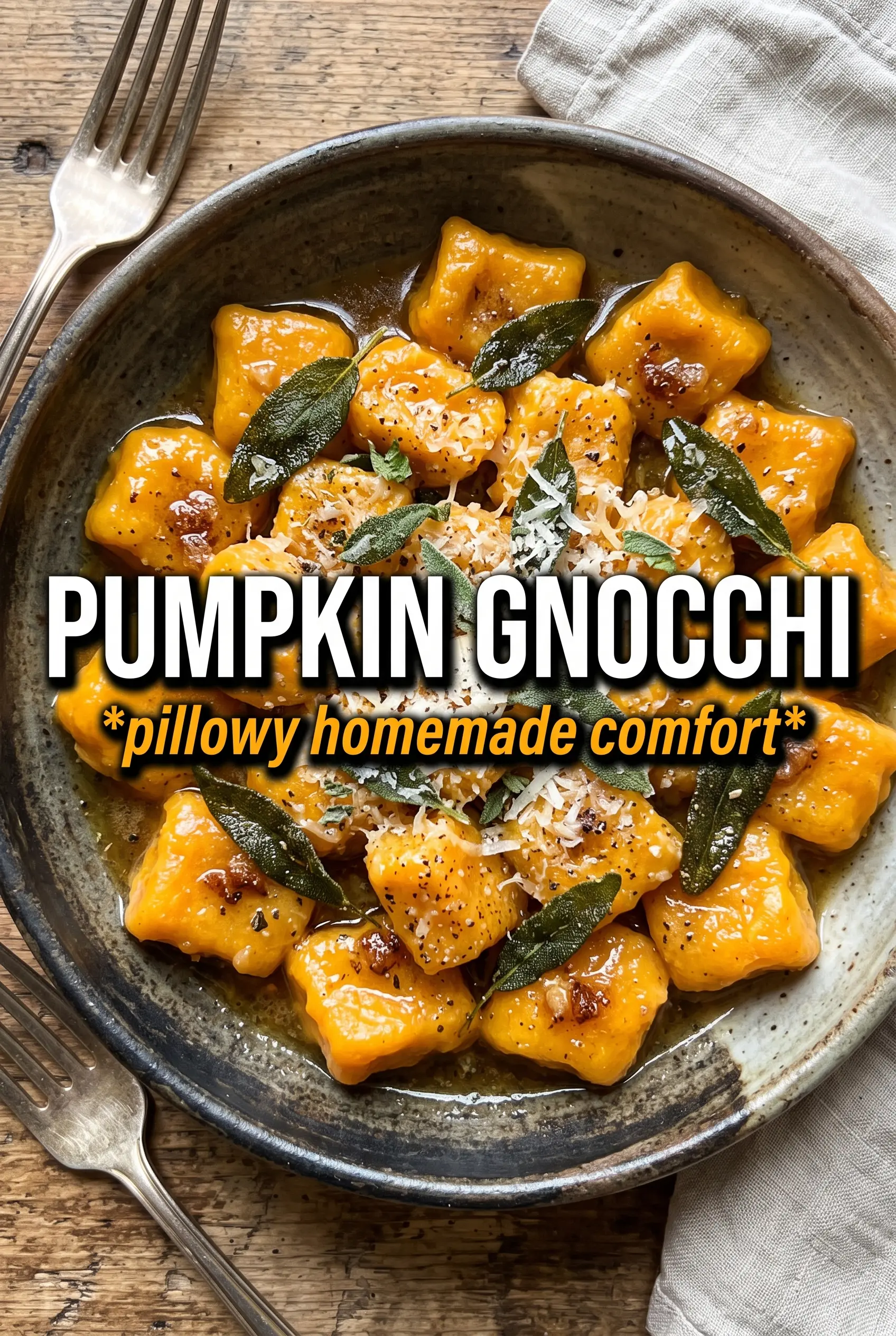
Pumpkin Gnocchi
Ingredients
Equipment
Method
- Blot the pumpkin puree and the drained ricotta extremely dry, then combine them with the egg, finely grated parmesan, salt, and nutmeg.
- Add all-purpose flour gradually and mix until you have a soft, slightly sticky dough; stop when it holds together without turning dry or stiff.
- Roll the dough into ropes and cut into 1-inch pillows, then press each piece with a fork for texture.
- Bring a large pot of well-salted water to a boil, then cook the gnocchi until they float, 2–3 minutes.
- Heat a cast iron skillet and melt the unsalted butter until it turns nutty and brown, then add the fresh sage leaves and fry until crispy.
- Toss the boiled gnocchi in the brown butter, then top with the crispy sage, toasted walnuts, and extra parmesan served generously over the surface.