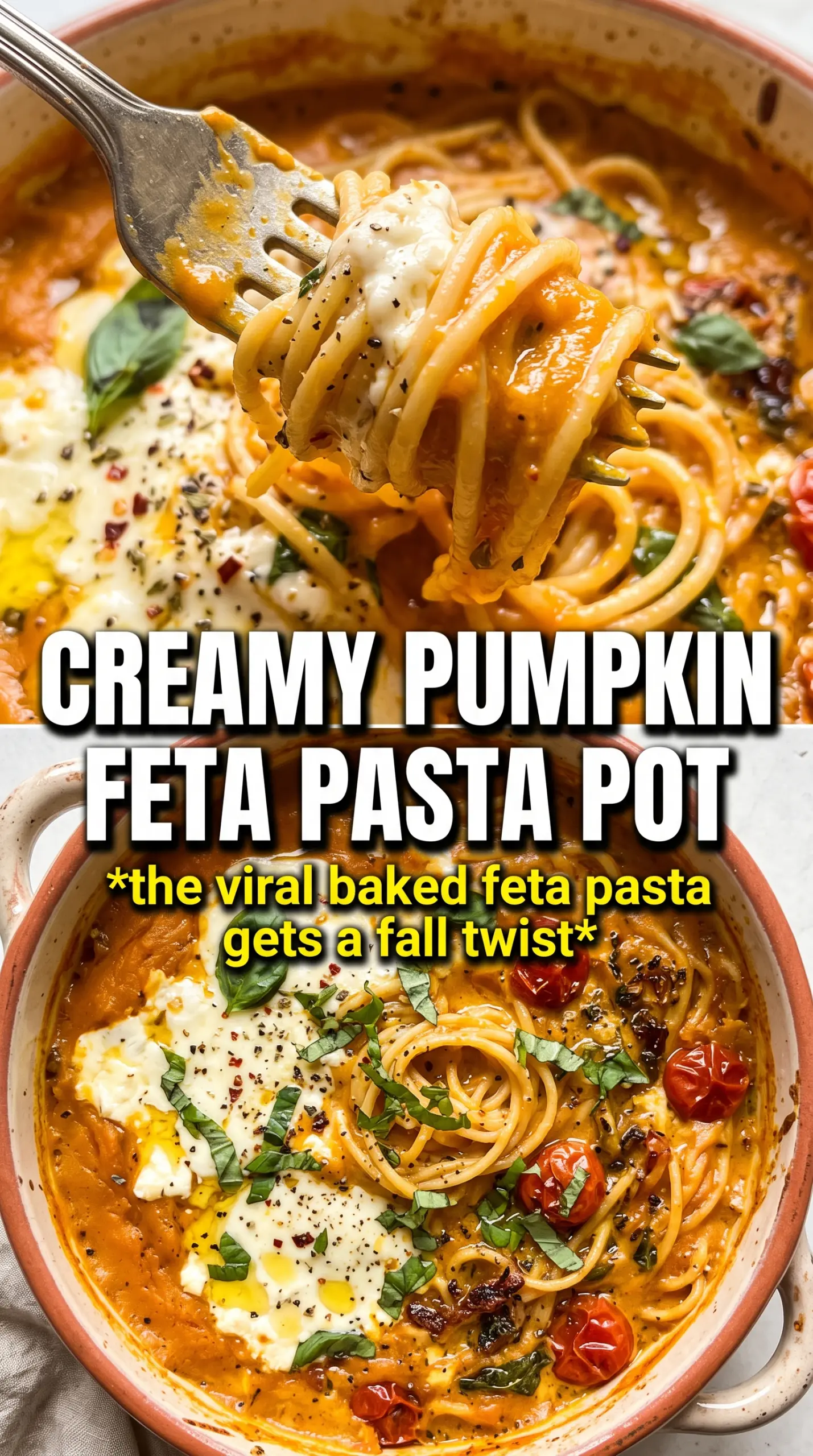
Roasted pumpkin and feta turn into a glossy, savory sauce that clings to every ridge of the pasta. The pumpkin brings body and a gentle sweetness, while the feta melts just enough to turn creamy without losing its tang. What you end up with tastes a lot more polished than the amount of effort it takes, which is why this one keeps making its way back onto the dinner table.
The trick is giving the feta and pumpkin time in the oven together. The pumpkin softens and concentrates as it roasts, and the feta picks up color on top while staying rich in the center. When you smash everything together with a splash of pasta water, the starch helps the sauce emulsify instead of turning watery. That last step is what makes the difference between a loose pan of ingredients and a sauce that actually coats the pasta.
Below, I’m walking through the part that matters most: how to get the right texture from the roasted base, how to loosen it without thinning it out too far, and what to do if you want to swap in fresh pumpkin instead of puree.
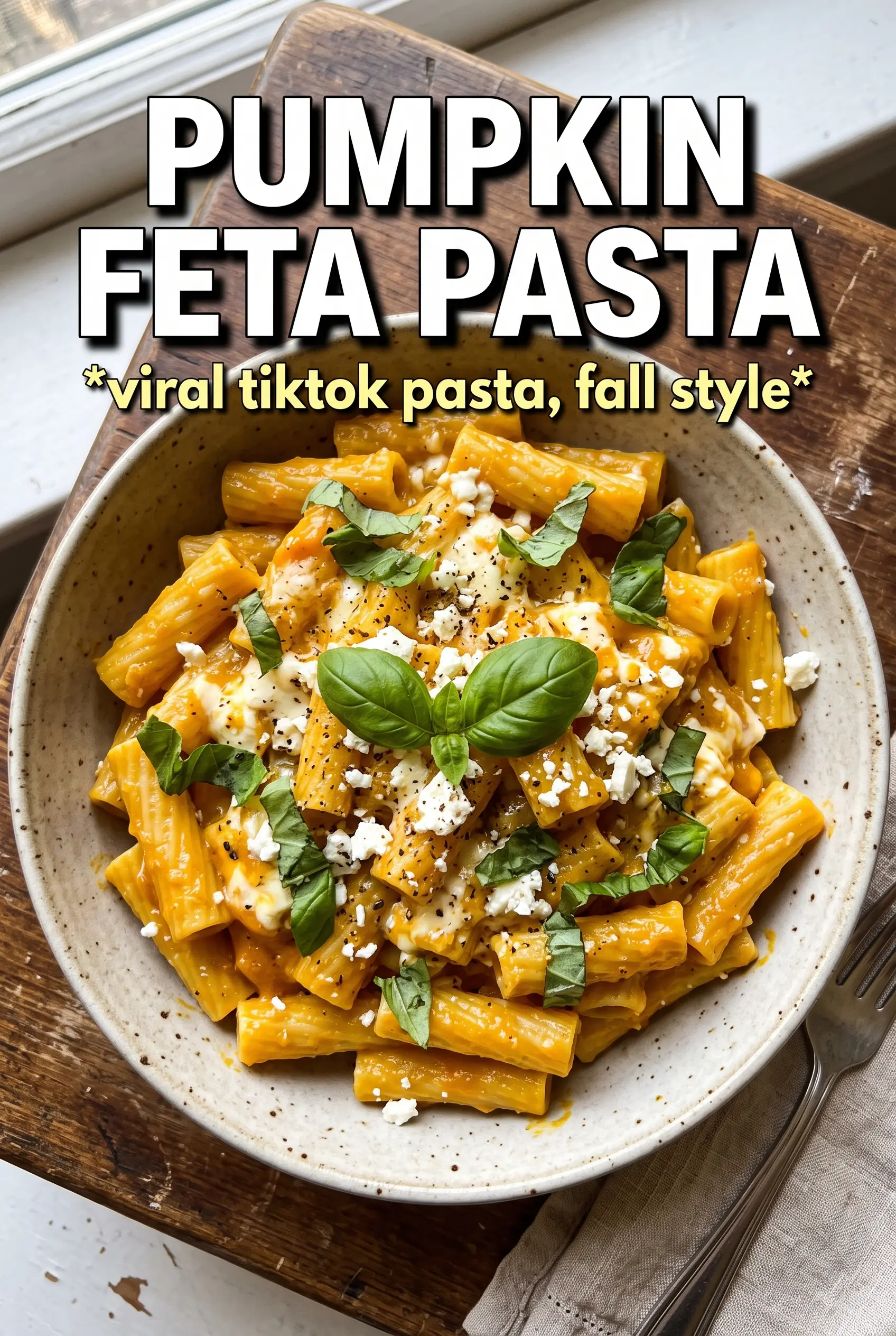
The feta browned on top and melted into the pumpkin so smoothly. I used penne and the sauce coated every piece, and the basil at the end kept it from tasting heavy.
Save this pumpkin feta pasta for the nights when you want a creamy baked pasta with almost no stovetop work.
The Reason This Sauce Stays Creamy Instead of Turning Grainy
The biggest mistake with baked feta pasta is rushing the roast. Feta needs enough heat to soften and take on color at the edges, but not so much that it dries out before the pumpkin is tender. Pumpkin puree behaves differently from cubed pumpkin: puree gives you a smoother, faster sauce, while cubed pumpkin brings a deeper roasted flavor and a little more texture.
The pasta water matters more than it looks like it should. It loosens the roasted base and helps the starch bind the fat from the feta and olive oil into a sauce that coats instead of pooling. If the mixture looks stiff in the baking dish, don’t reach for plain water first; a splash of pasta water gives you body along with moisture.
- Pumpkin puree — Use canned puree when you want a smoother, quicker sauce. If you use fresh pumpkin, cook it until it’s completely soft so it mashes cleanly into the feta.
- Block feta — Buy the block, not crumbled feta. Crumbles dry out faster and don’t melt into the same creamy texture.
- Olive oil — This carries the garlic and spices through the sauce and keeps the roasted mixture from tasting flat. A decent everyday olive oil is fine here.
- Pasta shape — Rigatoni or penne holds the sauce best. Long noodles work, but they don’t catch the chunky sauce as well.
What Each Ingredient Is Doing in the Baking Dish
- Pumpkin puree or cubed pumpkin — Puree turns this into a silkier sauce, while cubed pumpkin gives you more roasted edges and a slightly sweeter, more textured finish. If you use fresh pumpkin, cut it into small even cubes so it softens on the same timeline as the feta.
- Feta block — The block is what melts into the sauce instead of breaking into little salty bits. If the feta is packed in brine, drain it well so the dish doesn’t turn overly salty.
- Garlic — Smashed cloves roast gently and sweeten in the oven. Minced garlic can burn before the pumpkin is done, so leave it in larger pieces.
- Red pepper flakes and thyme — These keep the sauce from leaning too sweet. The thyme reads earthy and savory, and the pepper flakes cut through the richness of the feta.
- Fresh basil — Add it at the end, not before baking. Heat dulls the herb, and the fresh finish is what brightens the whole dish.
Roasting the Base So It Turns Into Sauce
Setting Up the Pan
Spread the pumpkin puree or cubed pumpkin in a baking dish and set the feta block right in the center. Scatter the garlic around the edges so it roasts in the oil instead of sitting directly on top of the cheese. Drizzle everything with olive oil and season with thyme, black pepper, and red pepper flakes. If you’re using cubed pumpkin, keep the pieces in a single layer so they roast instead of steaming.
Watching for the Right Roast
The dish is ready when the feta has turned golden on top and the pumpkin is soft enough to mash with a spoon. If the edges of the feta are browning too fast while the pumpkin still feels firm, loosely cover the dish for the last few minutes. Fresh pumpkin can take the full 40 minutes, while puree usually comes together a little faster and needs less help to break down.
Turning It Into a Coating Sauce
Cook the pasta while the baking dish finishes, then save at least 1/2 cup of cooking water before draining. Smash the roasted pumpkin, feta, and garlic together until the mixture looks creamy and mostly smooth. Add pasta water a little at a time until the sauce loosens enough to coat the pasta without looking soupy. If it seems too loose at first, toss it with the pasta for a minute before adding more water; the starch and heat will tighten it up.
Finishing the Pasta
Add the drained pasta directly to the baking dish and toss until every piece is coated. Taste before salting, because feta brings a lot of salt on its own, and the right amount depends on how salty your cheese was. Finish with torn basil and another pinch of red pepper flakes. That last bit of heat and freshness keeps the sauce from feeling heavy.
How to Adjust This for What’s in Your Kitchen
Gluten-Free Version
Use your favorite gluten-free short pasta and cook it just until tender. Gluten-free pasta can go soft fast once it’s tossed with the hot sauce, so drain it a little early and finish the last minute in the baking dish.
Dairy-Free Swap
Feta is the backbone of this dish, so a dairy-free swap changes it a lot. If you need to avoid dairy, roast the pumpkin with olive oil, garlic, and extra salt, then add a spoonful of tahini or a dairy-free cream cheese substitute to give the sauce some body. It won’t taste like feta pasta, but it will still coat the noodles well.
Using Fresh Pumpkin Instead of Puree
Fresh pumpkin gives the sauce a more roasted, less silky finish. Cut it into small cubes so it softens at the same pace as the feta, and expect to mash it a little less smoothly. If it looks dry after roasting, add a bit more pasta water than you would with puree.
Adding Protein
Shredded rotisserie chicken or crispy chickpeas both work well here. Fold them in after the sauce is mixed so they stay defined instead of disappearing into the pumpkin. Chickpeas keep the dish vegetarian and add a nice little crunch if you roast them separately first.
Storage and Reheating
- Refrigerator: Store leftovers in an airtight container for up to 4 days. The sauce will thicken as it chills.
- Freezer: It freezes, but the texture gets a little softer after thawing. Freeze in portions for up to 2 months and expect to add a splash of water when reheating.
- Reheating: Warm it gently on the stove or in the microwave with a spoonful of water or milk stirred in. Don’t blast it on high heat or the feta can turn oily before the sauce loosens again.
Answers to the Questions Worth Asking
Pumpkin Feta Pasta
Ingredients
Equipment
Method
- Preheat the oven to 400°F. Place the pumpkin puree or cubed pumpkin in a baking dish and set the feta block in the center.
- Scatter the smashed garlic around the pumpkin. Drizzle olive oil over the pumpkin, feta, and garlic.
- Sprinkle red pepper flakes, dried thyme, and black pepper over everything. Roast for 35-40 minutes until the feta is golden and the pumpkin is soft, with a visible caramelized top on the feta.
- Cook the pasta in salted water until al dente. Reserve 1/2 cup pasta cooking water before draining.
- Smash the roasted pumpkin and feta in the baking dish to form a creamy sauce. Add reserved pasta cooking water a splash at a time until it reaches your desired consistency.
- Toss the drained pasta into the sauce until well coated. Season with salt and mix until glossy and evenly combined.
- Top the pasta with fresh basil and extra red pepper flakes to serve. Finish with an even scatter so the surface looks speckled and fragrant.