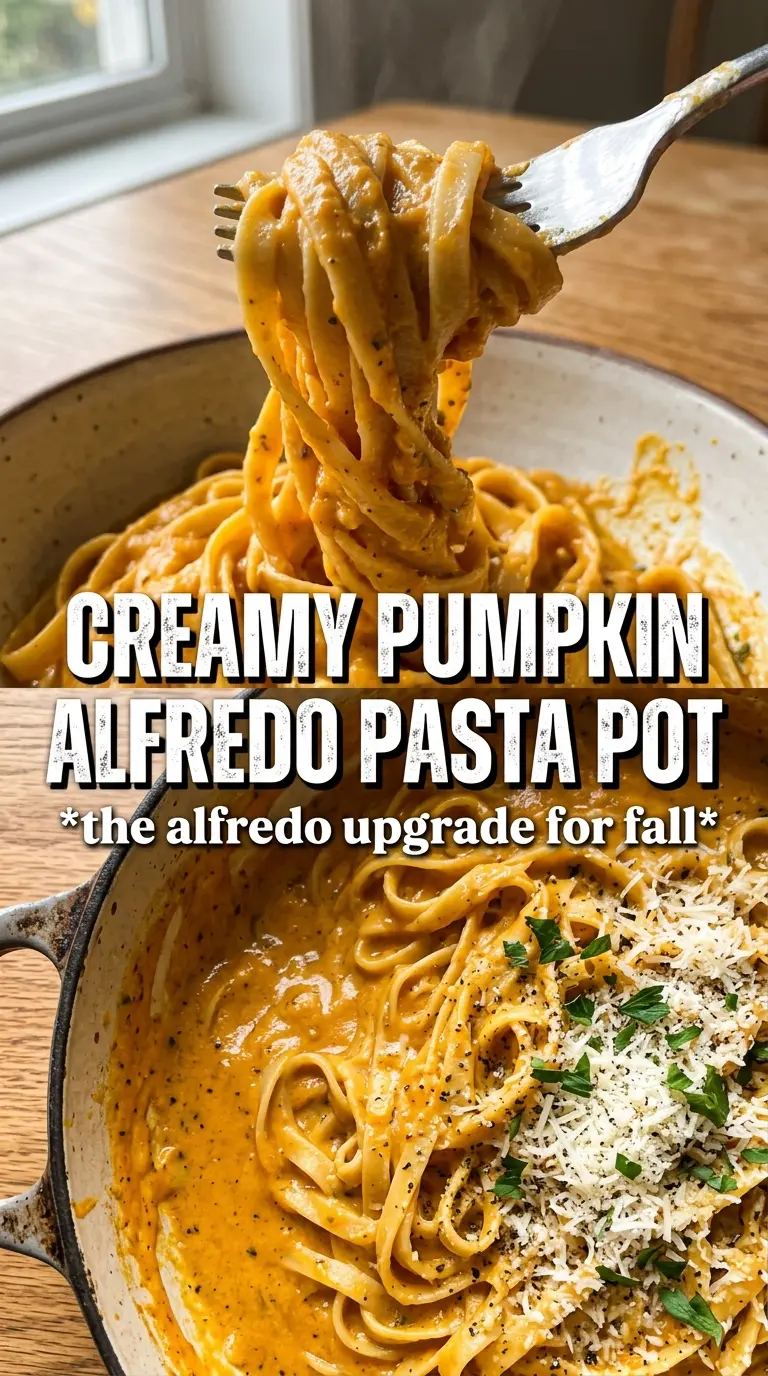
Pumpkin Alfredo lands in that sweet spot between comforting and elegant: a silky, orange-cream sauce that clings to every ribbon of fettuccine without feeling heavy or flat. The pumpkin doesn’t make it taste like pie; it gives the sauce body, a subtle sweetness, and a velvety texture that lets the parmesan taste fuller and more rounded.
What makes this version work is the balance. Heavy cream keeps the sauce smooth, while freshly grated parmesan melts in cleanly and thickens the sauce without turning grainy. A little nutmeg and white pepper sharpen the flavor just enough to keep the pumpkin from tasting one-note, and the pasta water gives you control at the end if the sauce tightens up too quickly.
Below you’ll find the small details that matter here: when to lower the heat, how to add the cheese so it melts instead of clumping, and the easiest way to keep the sauce glossy right up to the table.
The sauce turned out silky and coated the fettuccine perfectly. I followed the tip about adding the parmesan on low heat, and it stayed smooth instead of getting stringy.
Save this Pumpkin Alfredo for the nights when you want a creamy pasta sauce that feels rich, glossy, and a little unexpected.
The Reason Pumpkin Alfredo Stays Silky Instead of Turning Pasty
Pumpkin can make Alfredo go heavy fast if it gets too hot or if the cheese goes in before the base has had a chance to come together. The trick is to simmer the pumpkin and cream just long enough to lose that raw squash taste, then drop the heat before the parmesan goes in. That lower heat matters more than almost anything else in the recipe.
The sauce should look smooth and slightly loose before the pasta goes in. It will tighten once the cheese melts and again when the fettuccine absorbs some of the sauce. If it ever starts to look grainy, the pan is too hot; pull it off the burner and stir in a splash of pasta water before adding more cheese.
What Each Ingredient Is Actually Doing in the Pan
- Pumpkin puree — This is the body of the sauce. It gives the Alfredo its color and thickness without needing flour, but it has to be pure pumpkin puree, not pumpkin pie filling. Canned puree works well here.
- Heavy cream — Cream keeps the sauce smooth and helps the pumpkin taste rich instead of earthy. Half-and-half will work in a pinch, but the sauce will be thinner and a little more fragile when you add the cheese.
- Freshly grated parmesan — This is not the place for the shelf-stable stuff in the green can. Fresh parmesan melts into the sauce and gives you that creamy, salty finish; pre-grated cheese often has anti-caking agents that can leave the sauce sandy.
- Pasta cooking water — The starch in the water helps the sauce emulsify and cling to the noodles. Reserve more than you think you need, because a couple of tablespoons can turn a tight sauce back into something glossy.
- Nutmeg and white pepper — Nutmeg brings warmth without making the dish taste sweet, and white pepper keeps the color clean. Black pepper works too, but it will show in the sauce.
How to Build the Sauce So It Clings to Every Strand
Start with the garlic and butter
Melt the butter in a large skillet and cook the garlic just until fragrant, about 1 to 2 minutes. You want it softened and aromatic, not browned, because browned garlic can make the whole sauce taste bitter. Use a skillet wide enough to hold the pasta later, since the sauce finishes there too.
Let the pumpkin and cream simmer together
Stir in the pumpkin puree and cream and let the mixture simmer gently for 4 to 5 minutes. You should see small bubbles around the edges, not a hard boil. This step cooks off the raw edge from the pumpkin and gives the sauce a smoother, fuller taste. If it boils hard, the cream can separate and the texture gets rough.
Melt the parmesan off the heat
Drop the heat to low before adding the parmesan in handfuls. Stir after each addition until the cheese disappears into the sauce before adding more. If the skillet is too hot, the cheese can seize and turn stringy. Keep the sauce moving and patient here; that slow melt is what gives you a glossy finish instead of a broken one.
Finish with pasta water and the noodles
Add the cooked fettuccine and toss until every strand is coated. If the sauce looks too thick or starts to tighten in the pan, loosen it with a splash of reserved pasta water. The sauce should look creamy and supple, not dry or clumpy. Season with salt only after the parmesan goes in, since the cheese already brings plenty of salt to the party.
Three Ways to Make Pumpkin Alfredo Fit Your Table
Dairy-Free Pumpkin Alfredo
Swap the butter for olive oil or vegan butter, use full-fat canned coconut milk instead of cream, and replace parmesan with a dairy-free parmesan-style cheese that melts well. The sauce will be a little softer and less sharp, but it still turns out creamy and satisfying if you keep the heat low.
Gluten-Free Version
Use your favorite gluten-free fettuccine and cook it just to al dente so it doesn’t break when you toss it with the sauce. Gluten-free pasta tends to absorb sauce fast, so hold back a little extra pasta water and add it at the end if the noodles tighten up.
Add Protein Without Weighing It Down
Toss in sliced seared chicken, sautéed shrimp, or crispy pancetta at the end. Keep the add-in modest so the sauce stays front and center; this dish works best when the protein supports the pasta instead of crowding it.
Storage and Reheating
- Refrigerator: Store leftovers in an airtight container for up to 3 days. The sauce will thicken as it chills.
- Freezer: I don’t recommend freezing this one. Cream sauces with parmesan can separate after thawing, and the texture usually turns grainy.
- Reheating: Warm gently on the stove over low heat with a splash of milk, cream, or water. Stir often and don’t let it boil, or the sauce can split and the pasta can turn mushy.
Answers to the Questions Worth Asking
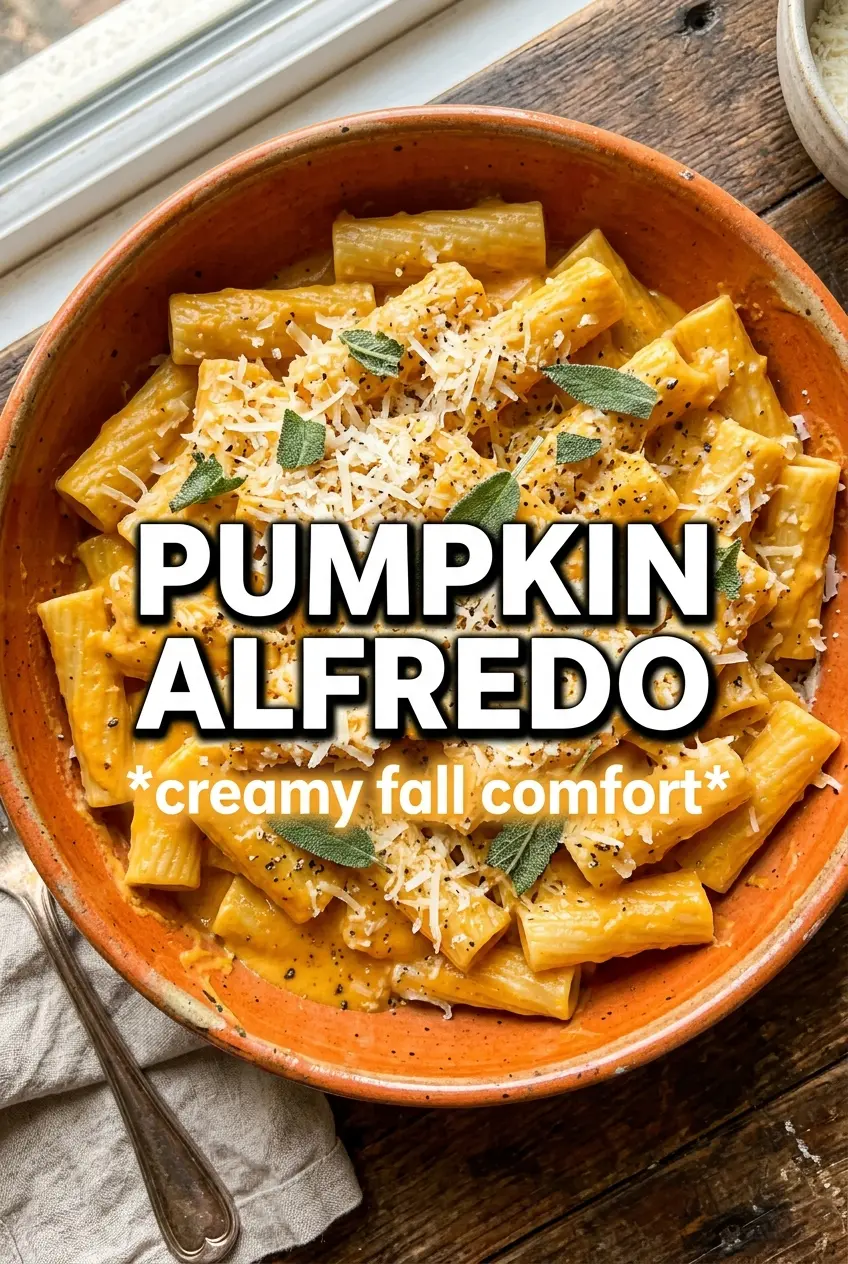
Pumpkin Alfredo
Ingredients
Equipment
Method
- Cook fettuccine in well-salted water until tender, then reserve 1 cup pasta cooking water. The pasta should look flexible and slightly firm to the bite before finishing.
- Melt butter in a large skillet over medium heat, then sauté minced garlic for 1-2 minutes. Watch for a fragrant aroma and a light golden color on the garlic.
- Add pumpkin puree and heavy cream, then simmer for 4-5 minutes. The sauce should thicken slightly and turn a deeper orange.
- Reduce heat to low, then stir in parmesan in handfuls until melted. Keep it on low so the sauce stays smooth and glossy.
- Add nutmeg and white pepper, then add the drained pasta and toss to coat. The fettuccine should be evenly covered in a creamy orange-cream sauce.
- Add the reserved pasta cooking water gradually as needed to loosen the sauce. Stop when the sauce looks silky and clings lightly to the noodles.
- Season with salt, then serve with fresh parsley and extra parmesan. Finish with a sprinkle so the top looks speckled and the parmesan melts into the hot sauce.