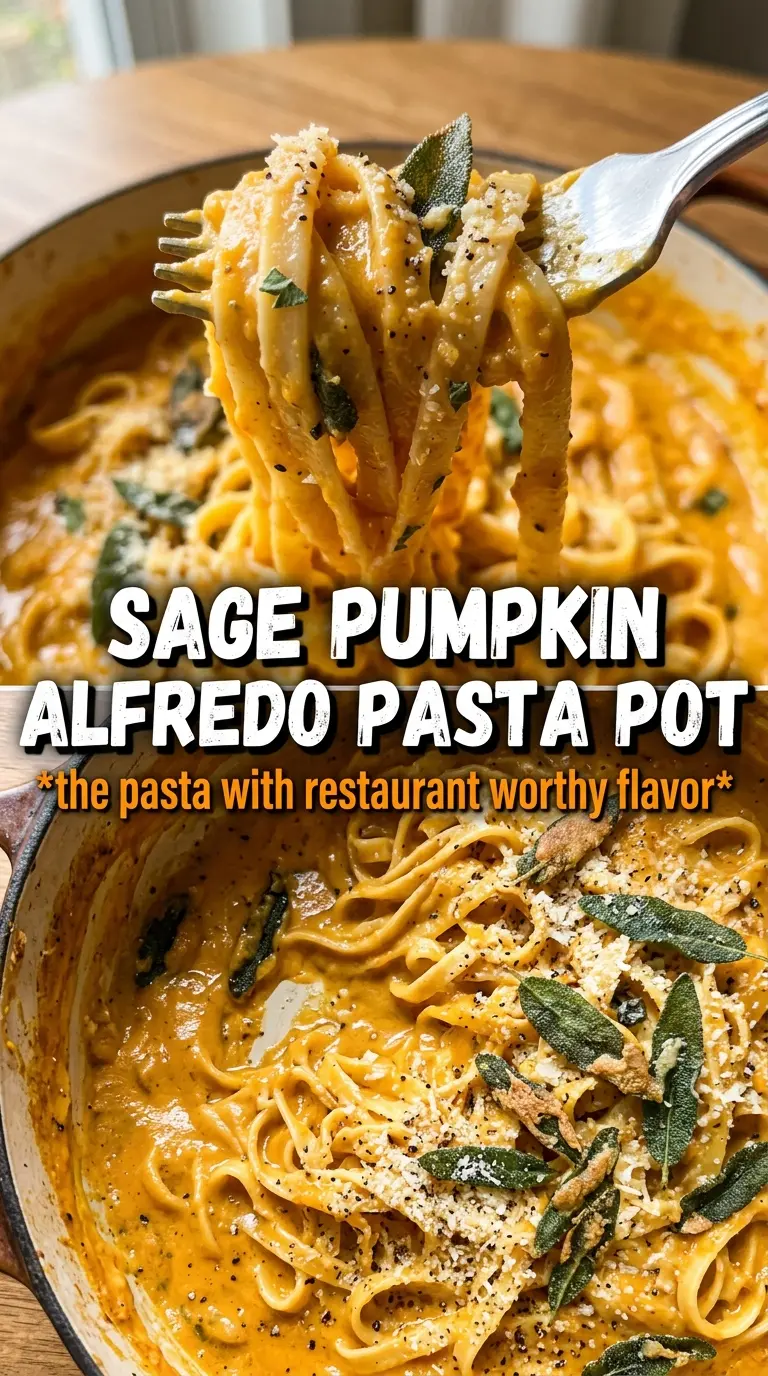
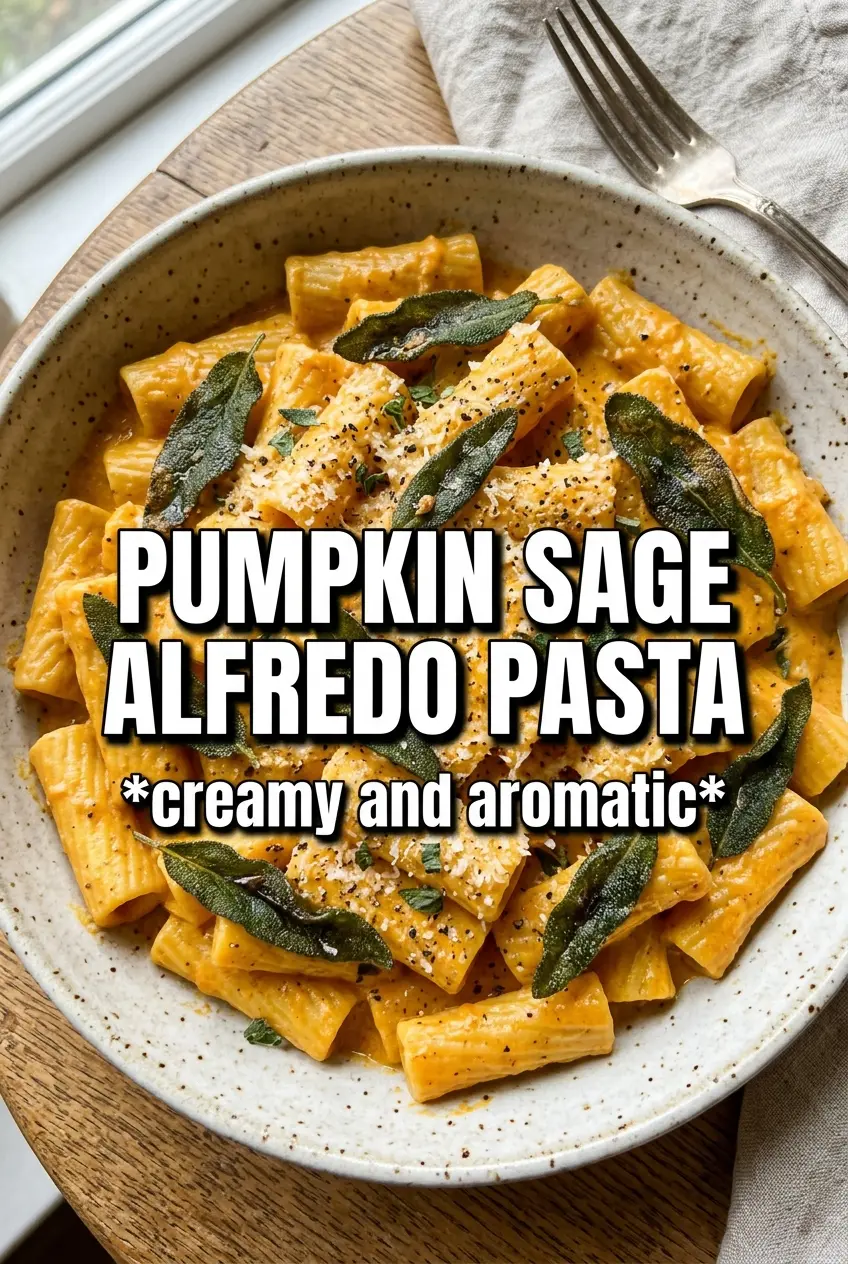
Pumpkin Alfredo pasta brings the kind of comfort that feels rich without turning heavy on the plate. The sauce clings to every ribbon of pasta, with pumpkin adding body and a gentle sweetness that plays against sharp parmesan and fragrant sage. Crispy sage leaves and toasted walnuts finish it with a little crunch, which keeps each bite from tasting one-note.
What makes this version work is the order. The sage fries first in butter, which perfumes the pan before the sauce even starts, and those browned bits stay behind to flavor the pumpkin and cream. The parmesan goes in after the sauce has simmered for a few minutes, when the heat is low enough that it melts smoothly instead of turning grainy. Pasta water is the other small detail that matters; it loosens the sauce just enough to coat the noodles instead of sitting on top of them.
Below, I’ll walk through the one part that matters most for getting a silky sauce, plus a few smart swaps if you want to make this with a different pasta shape or without dairy.
The sauce turned out silky and coated the pappardelle perfectly, and the crispy sage on top made it taste like a restaurant meal. I used the pasta water at the end and it brought everything together without making it thin.
Save this Pumpkin Alfredo Pasta With Sage for a silky, cozy dinner with crispy sage, toasted walnuts, and plenty of parmesan.
The Part That Keeps Pumpkin Alfredo Smooth Instead of Gluey
Pumpkin and cream behave differently from a classic butter-and-cheese Alfredo, so the biggest mistake is cranking up the heat and expecting the sauce to hold together on its own. Pumpkin needs a short simmer to lose that raw canned taste and blend into the cream, but parmesan wants a gentler hand. Once the cheese goes in, the sauce should barely bubble, or it can turn grainy and thin out at the same time.
The other thing that trips people up is pasta shape. Wide noodles like pappardelle give the thick sauce more surface to cling to, which is exactly what you want here. If you use a thinner pasta, the sauce still works, but it will feel looser and the sage-walnut finish will stand out more than the sauce itself.
What Each Ingredient Is Actually Doing In This Dish
- Pumpkin puree — This is what gives the sauce its body and gentle sweetness. Use plain pumpkin puree, not pumpkin pie filling. Homemade puree can work, but canned is steadier and usually thicker, which makes the sauce easier to control.
- Heavy cream — Cream softens the pumpkin and gives the sauce its plush texture. Half-and-half will work in a pinch, but the sauce will be a little less stable and need more pasta water to stay silky.
- Parmesan — Grated parmesan brings salt, sharpness, and the classic Alfredo finish. Buy a wedge and grate it yourself if you can; pre-shredded cheese often has anti-caking agents that make the sauce less smooth.
- Sage leaves — Frying the sage in butter turns it crisp and releases its aroma into the fat. Don’t skip drying the leaves before they hit the pan, or they’ll sputter and soften instead of crisping.
- Walnuts — The walnuts add a toasty crunch that keeps the dish from feeling too soft. Toast them first if you’re starting with raw nuts, because that deeper nutty flavor matters here.
- Pasta water — The starch in the water helps the sauce cling to the noodles and gives you a better finish than plain cream alone. Add it a splash at a time so you can stop the sauce right when it turns glossy.
Building the Sauce So It Stays Silky
Frying the Sage First
Melt two tablespoons of butter in a large skillet over medium heat, then add the sage leaves in a single layer. They’ll sizzle right away, and within a minute or two they should darken slightly and turn crisp. Pull them out as soon as they stop looking soft; if they stay in the pan too long, they go from crisp to bitter fast. Leave the butter and the browned bits in the skillet, because that’s the base of the sauce.
Cooking the Pumpkin Base
Add the remaining butter and the minced garlic to the same pan, then cook just until the garlic smells fragrant and turns pale gold at the edges. Stir in the pumpkin puree, cream, and nutmeg, and let the mixture simmer gently for about 4 minutes. You want it to thicken slightly and look smooth, not boil hard. If it boils, the dairy can tighten up and the sauce loses that soft, pourable texture.
Finishing With Cheese and Pasta Water
Turn the heat down before adding the parmesan, then stir until it melts into the sauce. Add the cooked pasta and a splash of reserved water, tossing until every strand looks coated and glossy. If the sauce seems thick or sticky, add more pasta water a tablespoon at a time. The pasta should move easily in the pan, not sit in a mound of sauce.
Make It Vegetarian-Friendly Without Losing the Comfort
This recipe is already vegetarian as written, so the main thing to watch is the parmesan. If you need a fully vegetarian version, use a parmesan labeled with vegetarian rennet or swap in an aged vegetarian hard cheese. The sauce still turns rich and savory, but the cheese choice can change how sharp the final flavor tastes.
Gluten-Free With the Right Pasta
Use a sturdy gluten-free pasta that holds up to tossing, not a delicate rice noodle that breaks apart in the sauce. Cook it just to al dente and reserve extra pasta water, since gluten-free pasta often needs a little more help to feel cohesive. The flavor stays the same, but the sauce may need an extra splash of water to cling properly.
Lighter Cream Swap
You can swap half-and-half for the heavy cream if you want a lighter dish, but the sauce won’t be quite as plush. In that case, keep the heat low and use a little more parmesan to help the sauce thicken. The result is still good, just a bit less rich and a touch more delicate.
Storage and Reheating
- Refrigerator: Store leftovers in an airtight container for up to 3 days. The sauce will thicken as it chills.
- Freezer: I don’t recommend freezing this dish. Cream sauces with parmesan tend to separate after thawing, and the pasta goes soft.
- Reheating: Warm it slowly in a skillet over low heat with a splash of water or cream, stirring often. The common mistake is reheating too fast, which breaks the sauce and dries out the pasta.
Questions I Get Asked About This Recipe
Pumpkin Alfredo Pasta With Sage
Ingredients
Equipment
Method
- Cook the pappardelle or wide pasta in salted water until al dente, then reserve 1 cup pasta water before draining.
- Heat 2 tablespoons of the butter in a large skillet over medium heat and fry the sage leaves until crispy, about 1 to 2 minutes, then remove and set aside.
- In the same skillet, add the remaining 2 tablespoons butter and sauté the minced garlic until fragrant, about 30 to 60 seconds.
- Add the pumpkin puree, heavy cream, and nutmeg, then simmer until slightly thickened, about 4 minutes.
- Stir in the grated parmesan until smooth and creamy, about 1 to 2 minutes.
- Add the cooked pasta to the skillet and toss, loosening with reserved pasta water as needed to coat evenly.
- Season with salt and pepper to taste.
- Serve topped with crispy sage leaves, toasted walnuts, and extra parmesan.