There’s a reason a good patty melt disappears fast: crisp rye, juicy beef, sweet onions, and that stretchy, molten cheese pull all land in the same bite. The best versions don’t feel fussy. They taste like diner food done with care, with bread that stays sturdy enough to hold the filling and a center that stays hot and juicy instead of turning soggy.
The trick is building each part with a little restraint. Caramelized onions need enough time to turn deeply sweet, but they shouldn’t be rushed on high heat or they’ll brown before they soften. The beef cooks best as thin smash-style patties in a very hot skillet, which gives you browned edges and keeps the interior tender. A quick layer of sauce adds tang without drowning the bread, and using two cheeses gives you both melt and flavor.
Below you’ll find the timing that keeps the onions sweet, the bread crisp, and the cheese fully melted by the time the sandwich hits the board. A few small details make all the difference here.
The onions turned deeply sweet and the rye stayed crisp even after pressing. I usually end up with a greasy sandwich, but this one held together perfectly and the cheese melted all the way through.
Save this patty melt for the nights when you want crisp rye, melted Swiss and cheddar, and onions that turn every bite rich and savory.
The Reason the Sandwich Stays Crisp Instead of Turning Greasy
The difference between a great patty melt and a soggy one comes down to heat management. The onions need a slow cook first so their moisture cooks off before they go inside the sandwich, and the bread needs to be toasted before the final press so it can act like a barrier. If you skip either of those steps, the juices from the beef and onions soften the rye too quickly.
The other mistake is overloading the middle. This sandwich is built in layers, but each layer has a job. The sauce should be thin enough to spread, not run. The beef should be smashed thin so it cooks fast and stays tender. And the final press should be just long enough to melt the cheese and fuse the sandwich without squeezing every bit of juiciness out of the patty.
What Each Ingredient Is Actually Doing in This Patty Melt
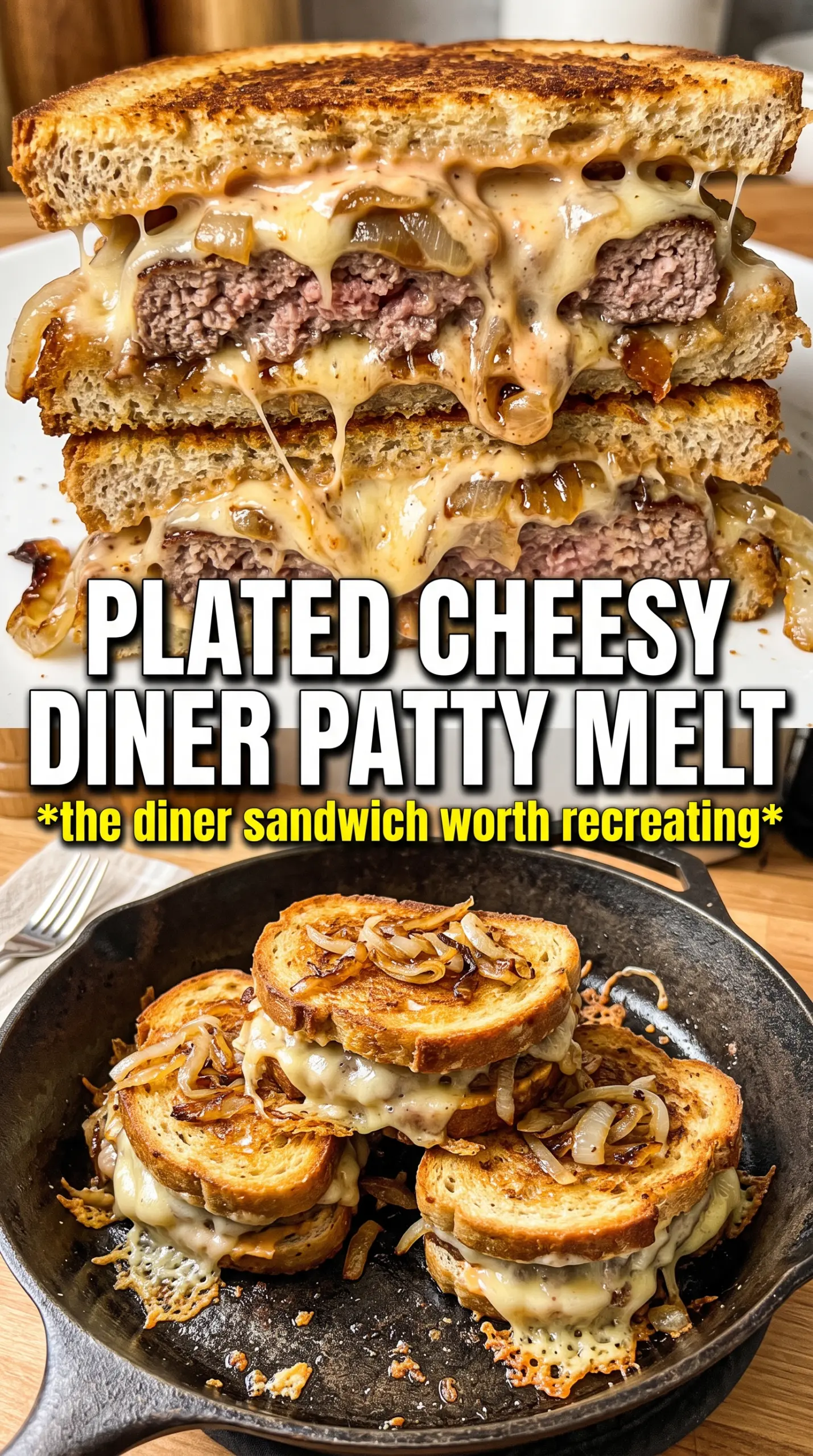
- 80/20 ground beef — The fat content matters here. Lean beef dries out before the bread finishes toasting, while 80/20 stays juicy and gives you enough rendered fat for a better sear.
- Rye bread — Rye is sturdy and has enough flavor to stand up to beef, onions, and cheese. A soft sandwich bread won’t hold the filling nearly as well once it hits the skillet.
- Swiss and cheddar — Swiss melts smoothly and brings that classic nutty note, while cheddar or American adds sharper flavor and helps the cheese layer feel rich instead of flat. Using both gives you better melt and better taste than either one alone.
- Onions — Don’t rush these. Properly caramelized onions should be soft, sweet, and deep golden. That slow cooking is what gives the sandwich its signature diner-style flavor.
- Worcestershire sauce — This seasons the beef from the inside and adds a savory edge that plain salt can’t provide. A little goes a long way, and it keeps the patties from tasting one-note.
- The special sauce — Mayo, ketchup, Dijon, and a touch of Worcestershire give you tang, fat, and a little sweetness. It should complement the sandwich, not flood it, so spread it thinly.
Building the Patty Melt So the Bread Stays Crisp and the Cheese Fully Melts
Caramelizing the Onions
Start the onions first, because they take the longest and you want them deeply soft before the sandwich goes together. Cook them in butter over medium-low heat until they lose their sharp bite and turn a rich golden brown with jammy edges. If the pan runs too hot, they’ll scorch before they sweeten, so keep the heat low enough that they slowly soften and collapse.
Smashing the Beef
Divide the beef into four loose balls and season them just before they hit the skillet. A very hot cast iron pan is what gives you those browned, lacy edges, so don’t crowd the pan or the meat will steam. Press each ball thin right away, then let it cook undisturbed long enough to form a crust before flipping. If you move it too soon, you’ll lose the sear and the patty will tighten up.
Toasting and Assembling
Butter the rye and toast it in the same skillet so it picks up some of the beef flavor. Spread the sauce on the inside faces, then layer onions, patty, cheese, more onions, and the top slice. The order matters: cheese on both sides of the meat helps it melt into the sandwich and hold everything together. If your onions are still steaming hot, let them sit for a minute before assembling so they don’t soften the bread too quickly.
Pressing to Finish
Return the assembled sandwich to the skillet and press it gently. You’re looking for deeply golden bread and cheese that starts to ooze at the edges. Keep the heat at medium so the bread finishes at the same time the cheese melts; too hot and the outside burns before the center is ready. Slice on the diagonal once it rests for a minute, which helps the cheese settle instead of spilling out immediately.
How to Adapt This Patty Melt Without Losing the Good Parts
Use all cheddar for a sharper finish
If you want a bolder, more pronounced cheese flavor, use cheddar on both layers instead of Swiss and cheddar. The melt will still work, but the sandwich will taste a little less creamy and a little more sharp and savory.
Make it gluten-free with sturdy sandwich bread
Use a gluten-free bread that can handle a press without falling apart. Toast it well first, since many gluten-free loaves soften faster than rye and need that extra structure before the filling goes in.
Lighten it up with thin turkey burger patties
Turkey works, but it needs a little help because it’s leaner than beef. Add a drizzle of oil to the skillet and don’t overcook it, or the sandwich turns dry before the cheese finishes melting.
Skip the special sauce for a more old-school diner flavor
You can leave out the sauce and use a thin swipe of butter on the bread instead. That gives you a more classic, straightforward patty melt with less tang and a slightly richer finish from the toasted rye.
Storage and Reheating
- Refrigerator: Store leftovers wrapped tightly for up to 3 days. The bread will soften a bit, but the flavor holds up well.
- Freezer: Freeze only the cooked patties and onions if you want the best texture. Assembled sandwiches don’t thaw as neatly because the bread gets soggy.
- Reheating: Reheat in a skillet over medium-low heat, covered for a minute or two so the cheese melts, then uncovered to crisp the bread. The common mistake is using the microwave, which makes the rye chewy and the filling unevenly hot.
Questions I Get Asked About This Recipe
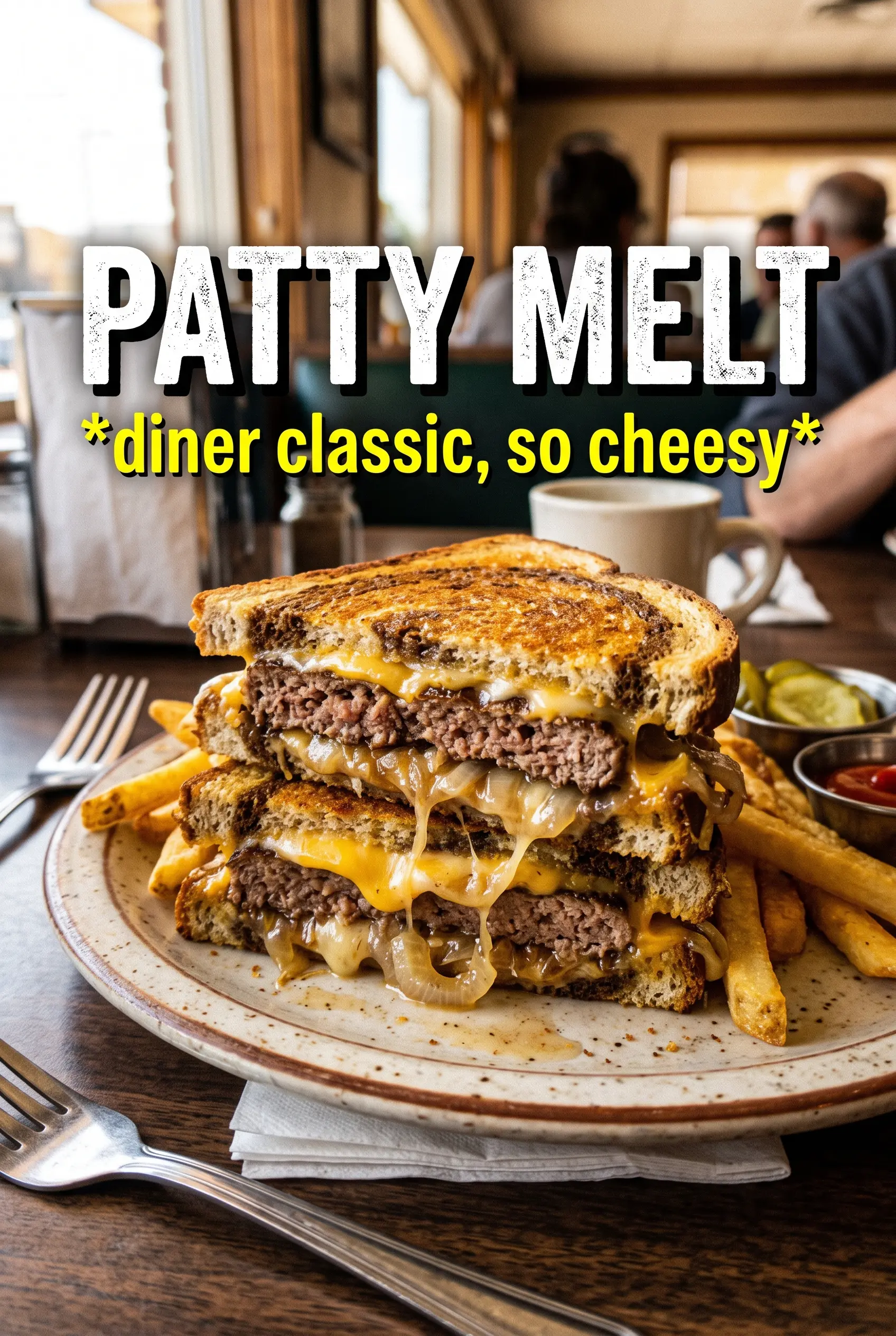
Patty Melt
Ingredients
Equipment
Method
- Melt 2 tablespoons butter in a cast iron skillet over medium-low heat, then add the thinly sliced onions and cook for 25-30 minutes, stirring occasionally, until deeply golden with sticky browned edges.
- Season the onions lightly with salt and pepper, then scrape them to a plate while you cook the patties.
- Divide the 80/20 ground beef into 4 balls, then season each with Worcestershire, garlic powder, salt, and pepper.
- Heat the cast iron skillet over high heat until very hot, then smash each beef ball thin and cook for 2-3 minutes per side.
- Cook until the patties are browned and set, then transfer them to a plate.
- Wipe out excess grease if needed, then toast the rye bread in the skillet with the remaining butter until golden on the surface.
- Assemble each melt by layering toast, special sauce, caramelized onions, a patty, both cheeses, more onions, and the top toast.
- Return the assembled sandwiches to the skillet, press gently, and cook for 1-2 minutes per side until the cheese is fully melted and the bread is crisp.