Pumpkin mac and cheese lands somewhere between cozy comfort food and a smart pantry dinner, and this one-pot version gets the balance right. The sauce turns creamy and orange-gold without tasting like pumpkin pie, and the pasta cooks right in the pot so every noodle picks up that cheddar-pumpkin richness.
The key is using broth and milk together, then letting the starch from the pasta help thicken the sauce as it simmers. Pumpkin puree adds body and a subtle sweetness, but the real job of the pumpkin here is to make the cheese sauce plush and spoon-coating. Dijon keeps the flavor from flattening out, and smoked paprika gives the whole pot a little depth without turning it smoky.
Below, I’ll show you the small timing details that keep the sauce smooth, plus a few easy swaps if you need to make it vegetarian or adjust the cheese to what you’ve got on hand.
The pasta cooked right in the broth and milk, and the sauce thickened up exactly as promised. Mine turned out super creamy, not watery, and the pumpkin flavor was subtle enough that my kids ate it without a fuss.
Save this one-pot pumpkin mac and cheese for the nights when you want creamy pasta, easy cleanup, and a little fall flavor in one Dutch oven.
The Part That Keeps the Sauce Creamy Instead of Heavy
The biggest mistake with one-pot mac and cheese is adding the dairy too early and letting it boil hard. That’s how you end up with grainy cheese or a sauce that looks smooth for a minute and then turns oily. The pasta needs that first simmer in broth and milk so it can release starch and start thickening the pot naturally.
Once the noodles are almost done and most of the liquid has been absorbed, the heat comes way down before the pumpkin, butter, cream cheese, and cheddar go in. That gentle finish matters. Cheese melts cleanly at low heat; it breaks when it’s pushed too hard. The pumpkin also blends more smoothly when it’s stirred into a hot, lightly thickened base instead of a raging boil.
What Each Ingredient Is Actually Doing in This Pot
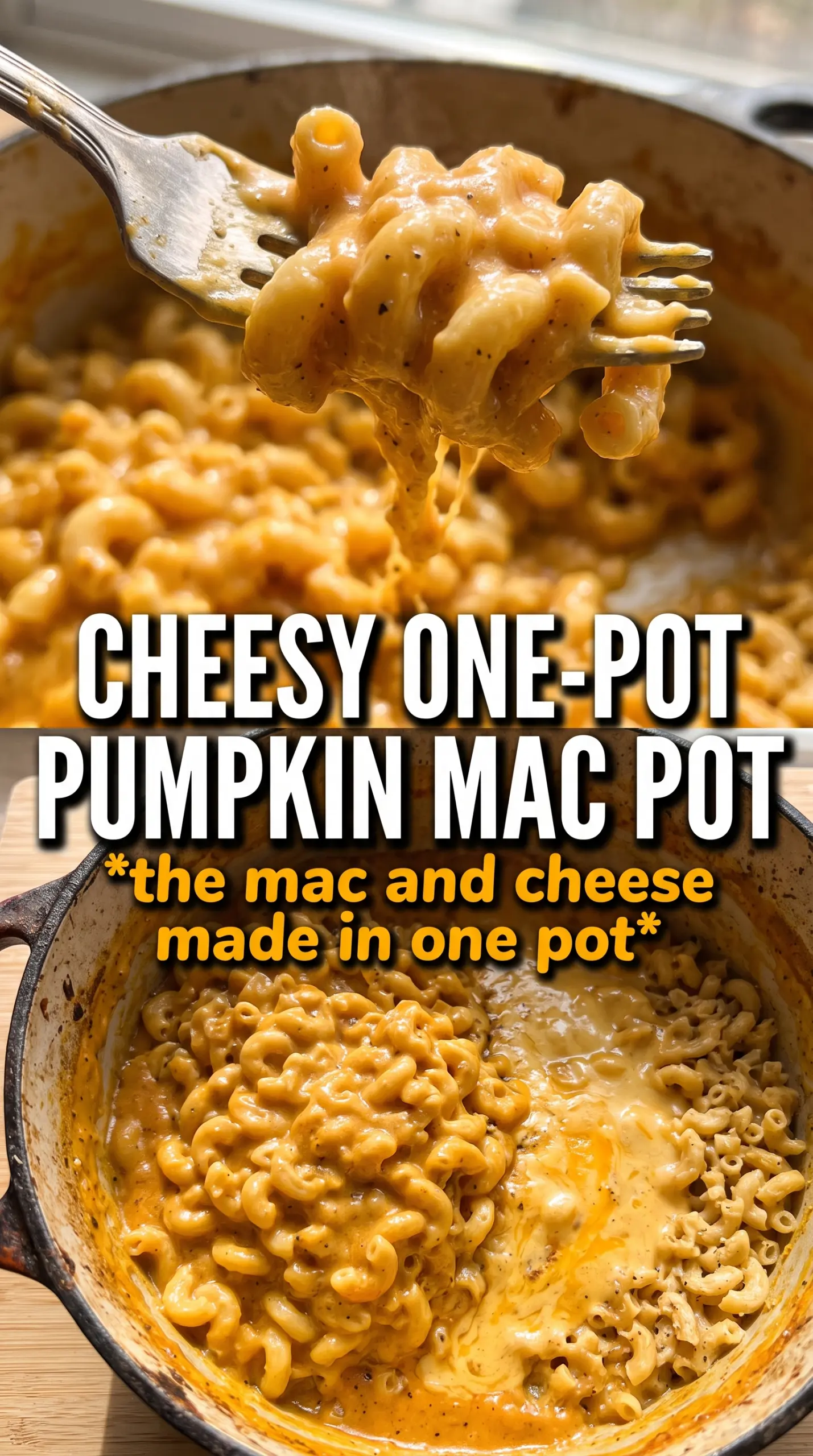
- Elbow pasta — The curved shape holds onto the sauce and gives you that classic mac and cheese bite. Short pasta works best here because it cooks evenly in the pot and stirs through the sauce without breaking down.
- Chicken or vegetable broth — This is where the pasta picks up flavor from the inside out. Use a broth you’d actually sip, since it seasons the sauce from the start.
- Whole milk — Whole milk gives the sauce enough fat to stay creamy without making it greasy. Lower-fat milk will work in a pinch, but the sauce won’t have the same body.
- Pumpkin puree — Use pure pumpkin puree, not pumpkin pie filling. The puree adds thickness and a mild earthiness that deepens the cheese sauce instead of overpowering it.
- Cream cheese — This helps stabilize the sauce and gives it a silkier finish. If you skip it, the sauce is more likely to feel loose instead of plush.
- Sharp cheddar — Sharp cheddar carries the main cheese flavor, so quality matters here. Pre-shredded cheese works, but freshly shredded melts more smoothly because it doesn’t have the anti-caking coating.
- Dijon mustard and smoked paprika — Dijon wakes up the cheese flavor, and smoked paprika adds warmth without making the dish taste spicy. They’re small amounts, but they keep the pumpkin from tasting flat.
How to Build the Pasta and Sauce in the Right Order
Start with the Pasta in Liquid
Combine the uncooked pasta, broth, and milk in a large pot or Dutch oven and bring it to a boil. Stir often as it heats so the pasta doesn’t stick on the bottom. Once it starts simmering, keep the heat moderate; a hard boil can push the liquid off too fast before the noodles are tender.
Let the Starch Thicken the Pot
Simmer uncovered for 8 to 10 minutes, stirring frequently, until the pasta is cooked and most of the liquid is absorbed. You want the pot to look saucy, not soupy. If it still looks thin when the pasta is done, give it another minute or two before adding the cheese so the sauce has a chance to concentrate.
Drop the Heat Before the Cheese Goes In
Reduce the heat to low, then stir in the pumpkin, butter, cream cheese, Dijon, smoked paprika, garlic powder, and nutmeg. The mixture should look smooth and glossy before the cheddar hits the pot. If the burner is still too hot, the cheese can seize and the sauce will turn grainy instead of velvety.
Melt the Cheddar in Handfuls
Add the cheddar a handful at a time, stirring until each addition melts before adding the next. That slow melt gives you a smoother sauce than dumping everything in at once. Taste at the end and season with salt and pepper, since the broth and cheese may already bring plenty of salt.
Ways to Bend This Recipe Without Losing the Good Part
Make it vegetarian
Use vegetable broth instead of chicken broth. You’ll still get a full, savory base, and the pumpkin-cheddar combo stays just as rich. This is the easiest swap in the whole recipe, and it doesn’t change the texture at all.
Make it gluten-free
Use a sturdy gluten-free short pasta that’s built to hold up in a one-pot simmer. Cook it just until tender, since gluten-free pasta can go soft faster once the liquid reduces. If the pot tightens up too much before the pasta is done, splash in a little extra broth.
Swap the cheese blend
Keep at least half the cheddar for flavor, then mix in Monterey Jack, fontina, or Gruyère for a softer melt or a nuttier finish. Just avoid all very hard cheeses, since they don’t melt as smoothly and can make the sauce feel sandy.
Add protein without crowding the sauce
Fold in shredded rotisserie chicken, crispy bacon, or cooked sausage at the very end. Adding it after the cheese keeps the sauce from getting overworked, and you won’t lose the creamy texture that makes the dish work.
Storage and Reheating
- Refrigerator: Store leftovers in an airtight container for up to 4 days. The sauce will thicken as it chills.
- Freezer: It freezes, but the texture gets a little grainier after thawing because of the dairy. If you freeze it, cool it completely and pack it tightly in a freezer-safe container for up to 2 months.
- Reheating: Reheat gently on the stove or in the microwave with a splash of milk or broth. High heat is the fastest way to break the sauce, so warm it slowly and stir often until creamy again.
Answers to the Questions Worth Asking

One-Pot Pumpkin Mac And Cheese
Ingredients
Equipment
Method
- Combine uncooked elbow pasta, chicken or vegetable broth, and whole milk in a large Dutch oven and bring to a boil. Visual cue: you should see active bubbling across the surface.
- Reduce heat to maintain a simmer, uncovered, and cook for 8-10 minutes, stirring frequently, until pasta is cooked and most liquid is absorbed. Visual cue: the pot will look thicker and the pasta will be tender.
- Reduce heat to low and stir in pumpkin puree, unsalted butter, cream cheese, Dijon mustard, smoked paprika, garlic powder, and nutmeg until evenly combined. Visual cue: the sauce turns uniformly orange-tinted and creamy.
- Add sharp cheddar in handfuls, stirring continuously until melted and the mixture is smooth and creamy. Visual cue: the cheese should fully disappear and the top should look glossy, not grainy.
- Season with salt and black pepper to taste and serve immediately. Visual cue: the sauce should cling to the pasta and look thick enough to hold on a spoon.