Hot buttered applesauce turns plain apples into something you want to eat warm from the spoon, with a silky texture, deep cinnamon warmth, and that little browned-butter edge that makes the whole bowl taste richer than it has any right to. It still feels familiar and comforting, but this version has a roundness that regular applesauce misses.
The trick is starting the butter first and letting it just begin to brown before the apples go in. That gives the sauce a toasted, nutty note right away, and it keeps the fruit from tasting flat. A little cider helps the apples soften without thinning the finished sauce too much, and the cinnamon, nutmeg, and vanilla build a layered flavor instead of one-note sweetness.
Below, I’ll show you how to keep the apples from turning watery, how to choose your texture, and what to do if you want it smoother, spicier, or dairy-free.
The apples broke down into the smoothest sauce, and the browned butter gave it this warm, almost caramel note. I served it with pork chops and my husband kept sneaking spoonfuls before dinner.
Hot Buttered Apple Sauce With Cinnamon And Nutmeg is the kind of warm, silky applesauce that tastes even better with that browned-butter finish.
The Butter Needs a Head Start, Not a Long Brown
Most applesauce recipes treat butter like an afterthought. That misses the best part. Here, the butter goes in first and the apples hit the pan as soon as it starts to take on color, which means the fruit catches some of that nutty flavor before it softens into sauce. If you let the butter go too far, it turns bitter and overwhelms the apples, so watch for a pale golden color and a toasted smell, not dark brown flecks.
The other place people go wrong is adding too much liquid early. Apples release a lot of juice on their own. The cider is there to keep the bottom of the pan from scorching and to help the spices distribute evenly, not to create a thin stovetop compote. You want the pot covered so the steam does the softening work, then uncovered only at the very end if the mixture needs to thicken.
What Each Ingredient Is Actually Doing Here

- Apples — Honeycrisp, Fuji, or McIntosh all soften well and bring enough natural sweetness to keep the sauce from tasting flat. Honeycrisp holds a little more structure if you want a chunkier sauce; McIntosh breaks down faster and gives you a softer, more spoonable finish. Avoid using only very firm tart apples unless you plan to cook them a little longer and add more sweetener.
- Unsalted butter — This is where the richness comes from, and browning it lightly adds a toasted note that plain melted butter can’t give you. Salted butter works in a pinch, but you lose some control over the final seasoning. If you need a dairy-free version, use a good plant-based butter, but expect a cleaner, less nutty flavor.
- Apple cider or apple juice — Cider gives the sauce a fuller apple taste, while juice makes it a touch sweeter and lighter. Either one works, but cider tastes more layered with the spices. Use just enough to prevent scorching and help the apples steam; too much and you’ll end up boiling down the flavor.
- Brown sugar or maple syrup — Brown sugar brings molasses depth, while maple syrup gives a softer, rounder sweetness. If your apples are very sweet, start with a little less and finish with a taste test after blending. Maple is the best swap if you want a more autumnal note without changing the texture.
- Cinnamon and nutmeg — Cinnamon gives the obvious warmth, but the nutmeg is what makes the sauce taste finished. Freshly grated nutmeg is worth using here because a little goes a long way and the aroma is much brighter than pre-ground. Don’t overdo either spice or the apples disappear behind them.
- Vanilla — Stir it in at the end so it stays fragrant instead of cooking off. It softens the spice and makes the sauce taste smoother, almost custard-like, without adding cream. If you add it too early, the flavor gets muted.
How to Cook the Apples Until They Turn Silky
Starting the Pot With Brown Butter
Melt the butter in a large saucepan over medium heat and keep the apples close by, because the moment the butter starts to foam and pick up a light nutty smell, the fruit goes in. You’re looking for pale golden edges in the butter, not a deep brown color. If the butter goes past that point before the apples are added, the sauce can taste scorched instead of rich. Toss the apples well so they’re coated in the butter and start cooking evenly.
Softening the Apples Under a Lid
Add the cider, brown sugar, cinnamon, nutmeg, and salt, then cover the pan and let everything simmer until the apples collapse easily when pressed. The lid matters because it traps steam and softens the fruit from the inside out. If the mixture looks dry before the apples are tender, add a splash more cider rather than turning up the heat. High heat will cook the liquid off before the apples have time to break down.
Choosing Your Texture
Once the apples are completely soft, mash them with a potato masher for a rustic sauce or use an immersion blender for a smooth one. Stop blending as soon as the texture looks right, since overblending can make the sauce overly loose and a little gummy. If it’s thinner than you want, uncover the pan and simmer for a few minutes until it tightens. Stir in the vanilla after the heat is off, then taste for sweetness before serving.
Three Ways to Bend This Recipe Without Losing the Good Part
Make it dairy-free
Swap the butter for a plant-based butter with a neutral flavor. You won’t get the same browned, nutty edge, but you’ll still get a rich, warm applesauce with good body. Keep the heat moderate, since some dairy-free butters brown less evenly and can separate if they’re rushed.
Use maple instead of brown sugar
Maple syrup gives the applesauce a deeper, more rounded sweetness and fits the cinnamon-nutmeg profile beautifully. Use the same amount, then reduce the cider by a tablespoon or two if the sauce seems loose. The result tastes a little more polished and less like standard jarred applesauce.
Make it tart and less sweet
Use a mix of sweet apples and tart apples like Granny Smith, then start with only half the sweetener. Tart apples need a little more cooking time, but they give the sauce a brighter flavor that works well next to pork or roasted chicken. Taste at the end and add sweetness only if the apples still seem sharp.
Storage and Reheating
- Refrigerator: Store in an airtight container for up to 5 days. It thickens as it chills, so don’t worry if it looks looser right after cooking.
- Freezer: It freezes well for up to 3 months. Portion it into small containers or freezer bags, leaving a little space for expansion, then thaw overnight in the fridge.
- Reheating: Warm it gently on the stove over low heat with a splash of cider or water if needed. The common mistake is blasting it over high heat, which can make it stick and taste dull instead of fresh.
Answers to the Questions Worth Asking
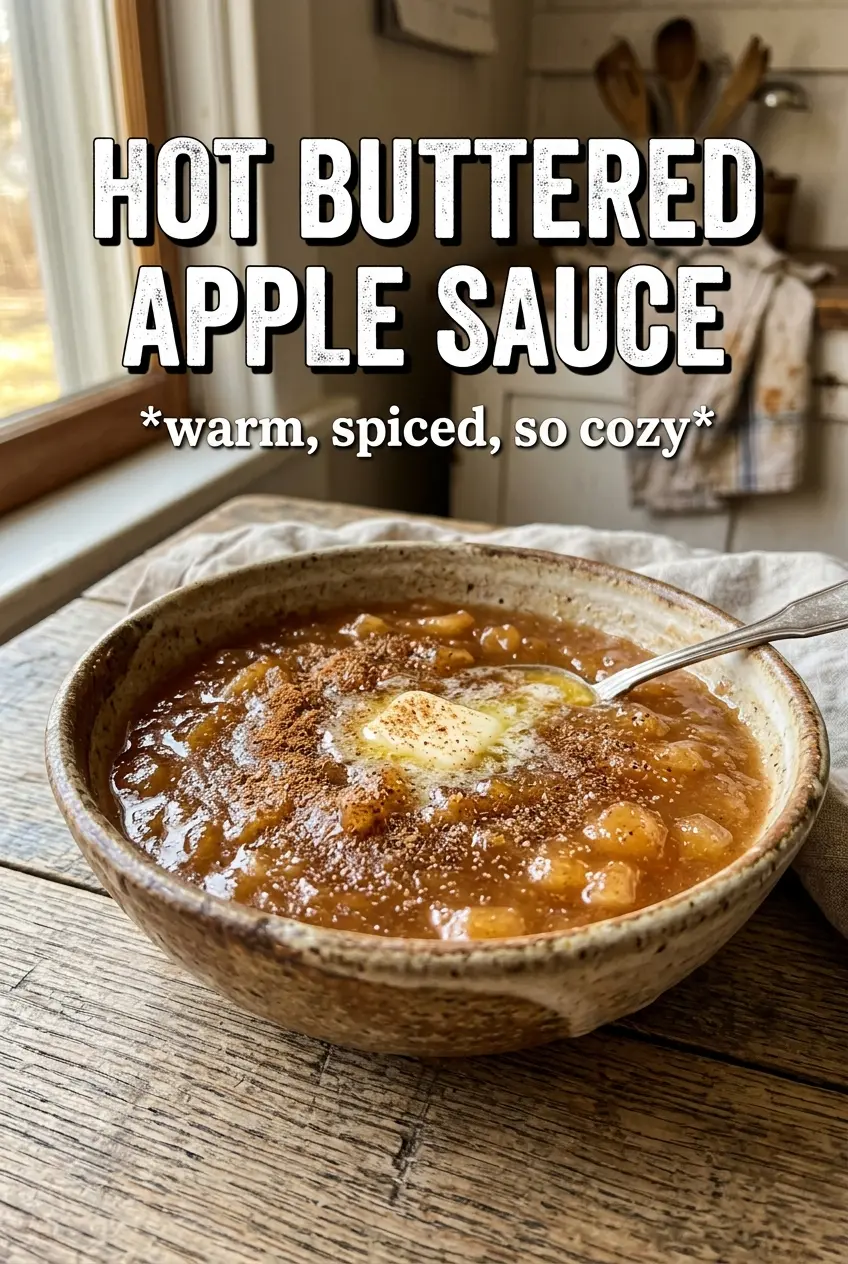
Hot Buttered Apple Sauce With Cinnamon And Nutmeg
Ingredients
Equipment
Method
- Melt the butter in a large saucepan over medium heat until just starting to brown, then add the chopped apples immediately. Watch for small amber flecks in the butter as the apples hit the pan.
- Cook over medium heat for 3-4 minutes, stirring occasionally, until the apples begin to soften. The pan should smell lightly nutty from the browned butter.
- Add the apple cider (or apple juice), brown sugar (or maple syrup), cinnamon, nutmeg, and salt. Stir until the apples are glossy and the spices look evenly distributed.
- Cover and simmer over medium heat for 20-25 minutes, until the apples are completely soft. You should be able to mash a piece easily against the side of the pan.
- Mash the apples to your preferred texture, either chunky or smooth. Use the back of a spoon to create the bite you want.
- If you want smooth applesauce, blend the mixture with an immersion blender until velvety. Stop when the texture looks uniform with no visible apple chunks.
- Stir in the vanilla extract, then taste and adjust sweetness as needed. The flavor should feel warm and balanced rather than overly sharp.
- Serve the applesauce warm with an extra pat of butter and a dusting of cinnamon. The topping should melt slightly on contact for a glossy finish.