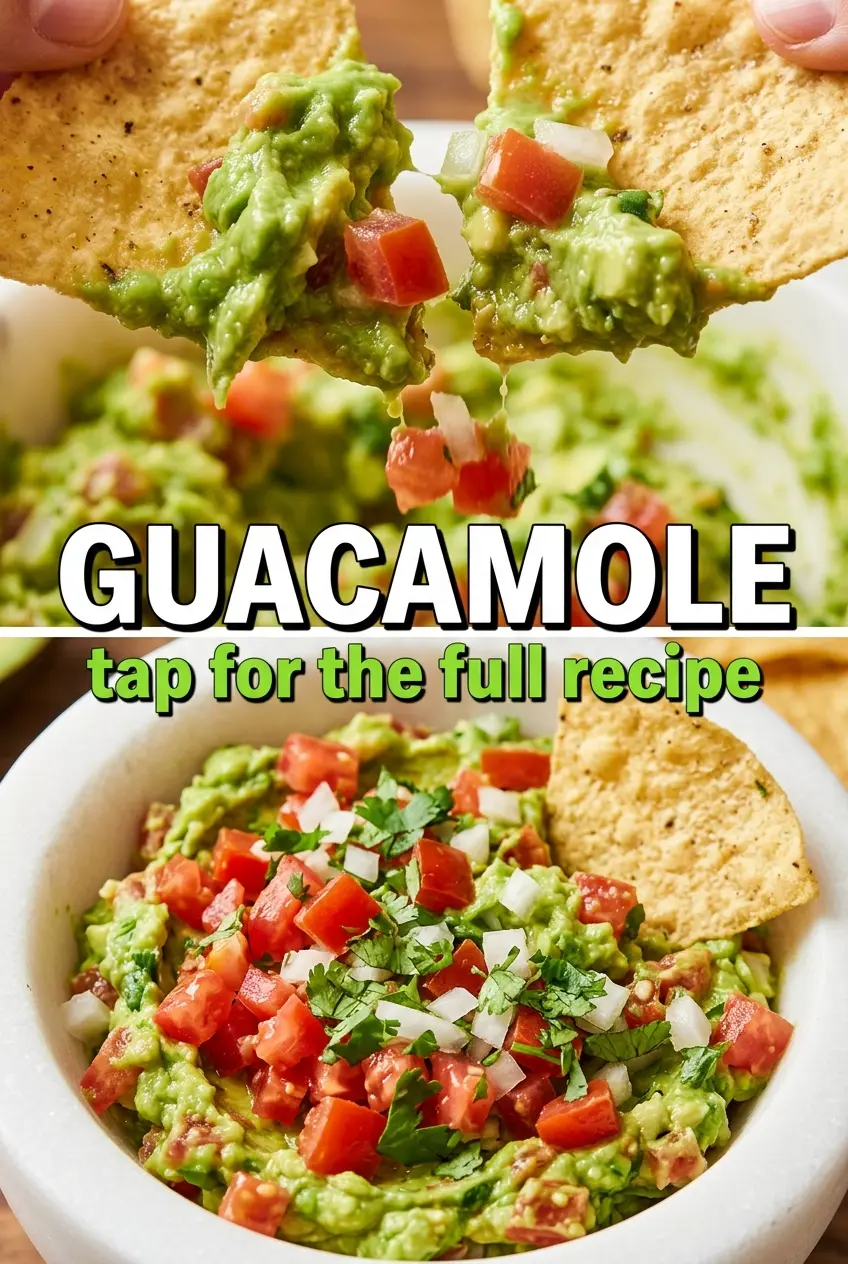
Bright, creamy guacamole lives or dies on balance. When it’s right, the avocado stays plush and buttery while the onion, lime, jalapeño, and cilantro cut through with just enough bite to keep each scoop interesting. The best bowls don’t taste muddy or one-note; they taste fresh, layered, and clean, with enough texture that you can still see what’s in it.
The trick is not overworking the avocado. A fork gives you better control than a blender ever could, and leaving a little texture helps the other ingredients cling instead of disappearing into a smooth green puree. Lime juice does more than add tang here — it keeps the avocado tasting lively, while the tomato and onion bring moisture and crunch without taking over.
Below, I’m breaking down the part that most people miss: how to keep guacamole from turning thin, watery, or dull after the first few minutes on the table. There’s also a simple way to adjust the texture depending on whether you like it chunky or softer.
I loved that the lime kept the avocado bright, and the jalapeño gave it a little kick without overpowering the tomato. Mine stayed chunky and fresh-tasting for the whole game night.
Save this guacamole for the nights when you want creamy avocado, fresh lime, and a crisp jalapeño finish in one bowl.
Why Watery Guacamole Happens Before You Even Notice
The fastest way to ruin guacamole is to treat the tomato like it belongs in the base instead of the finish. Once it’s diced, salted, and left to sit, it sheds juice into the bowl and thins out the avocado. The same goes for over-mashing: when you beat the avocado into a paste, it loses the rough surface that helps the lime, onion, and herbs hold on.
The fix is simple. Build the guacamole in stages, add the lime before the tomato so it seasons the avocado first, and fold everything together gently at the end. If your avocados are perfectly ripe, they’ll mash with almost no effort and give you that creamy body without needing extra ingredients.
- Avocados — Use ripe avocados that yield gently to pressure. If they’re firm, the guacamole will taste flat and grassy. If they’re overripe, the texture goes stringy and the flavor turns dull.
- White onion — This gives the bowl sharpness and crunch. Red onion works in a pinch, but it brings a sweeter edge and can stain the guacamole slightly.
- Jalapeño — Fresh minced pepper gives heat without making the dip taste pickled or harsh. Remove the seeds if you want a cleaner, milder finish.
- Lime juice — Fresh lime is worth it here. Bottled juice tastes flat and doesn’t brighten the avocado the same way. Start with less, then add more only after tasting.
- Roma tomato — Roma tomatoes have less water than many other varieties, which helps keep the guacamole from getting soupy. Scoop out extra seeds if your tomato looks especially juicy.
- Cilantro — Chop it just before mixing so it stays aromatic. If you’re one of the people who tastes soap, skip it and add a little more onion and lime instead.
The 5 Minutes That Decide the Texture
Mashing the Avocado to the Right Point
Scoop the avocado into a medium bowl and mash with a fork until it looks the way you want it to eat. For chunky guacamole, stop when you still have visible pieces; for a smoother bowl, keep going until most of the larger lumps are gone. If you use a food processor, it turns pasty fast and the avocado can pick up a gluey texture.
Building the Brightness
Add the lime juice and fold it through the avocado before the vegetables go in. That coats the avocado first, which helps it taste fresh from the first bite to the last. If the lime goes in after everything else, it tends to sit in pockets and the bowl tastes uneven.
Folding in the Crunch and Heat
Add the onion, jalapeño, cilantro, and tomato last, then stir just enough to distribute them. You want to see little bursts of red, green, and white throughout the bowl, not a fully blended mixture. If you keep stirring, the tomato breaks down and the guacamole turns soft and watery.
Seasoning at the End
Salt changes how avocado tastes more than people expect, so taste after everything is mixed and adjust from there. The bowl should taste bright first, then creamy, then a little sharp from the onion and lime. If it tastes flat, it usually needs salt before it needs more lime.
Make It Milder for a Crowd
Leave out the jalapeño seeds and use half the pepper, then taste before adding the rest. You’ll keep the fresh pepper flavor without scaring off the people who don’t want much heat.
Dairy-Free and Naturally Gluten-Free
This recipe already fits both, which is one reason it disappears fast at parties. The important part is serving it with gluten-free chips if that matters for your table, since the guacamole itself doesn’t need any adjustment.
Chunky Instead of Smooth
Mash only two of the avocados and fold in the third in rough pieces at the end. That gives you a guacamole with more bite and better chip-clinging texture, which is especially good if you’re serving it alongside tacos or grilled meat.
Storage and Reheating
- Refrigerator: Store for up to 1 day for the best color and texture. It will darken on the surface, but the flavor stays good if it’s tightly covered with plastic wrap pressed directly onto the guacamole.
- Freezer: I don’t recommend freezing this. The avocado turns grainy and the tomato releases too much water when thawed.
- Reheating: There’s no reheating here. If it has been chilled, let it sit out for 10 to 15 minutes and stir before serving so the flavors wake back up.
Questions I Get Asked About This Recipe
Guacamole
Ingredients
Method
- Scoop the ripe avocados into a medium bowl.
- Mash the avocado with a fork until you reach your preferred consistency (chunky or smooth).
- Fold in the diced white onion, minced jalapeño, chopped fresh cilantro, and diced Roma tomato, mixing gently so the tomato pieces stay visible.
- Add the fresh lime juice and gently toss to combine.
- Season with salt and pepper to taste, stirring just enough to distribute evenly.
- Transfer the guacamole to a serving bowl and serve immediately with tortilla chips.
- If not serving right away, place plastic wrap directly on the surface of the guacamole to help prevent browning.