Garlic butter chicken pasta lands in that sweet spot where comfort food still feels pulled together. The spaghetti gets coated in a glossy sauce that clings instead of puddling, the chicken stays juicy in thin golden strips, and every forkful gets a hit of Parmesan, lemon, and fresh garlic. It’s the kind of dinner that disappears fast because it tastes richer than the short ingredient list suggests.
The trick is building the sauce in the same skillet you used for the chicken. Those browned bits on the bottom are part of the flavor, and the pasta water turns butter and garlic into a sauce that actually coats the noodles instead of sliding off. Thinly sliced chicken cooks quickly and stays tender, while the lemon keeps the butter from tasting heavy.
Below, I’ll show you the exact moment to add the pasta water, why the garlic should only cook until the edges turn golden, and the easiest swaps if you need to work with what’s already in the kitchen.
The sauce clung to the spaghetti instead of turning oily, and the lemon kept the garlic butter from feeling too heavy. My husband went back for seconds before I even sat down.
Save this garlic butter chicken pasta for the nights when you want glossy spaghetti, golden chicken, and a lemony Parmesan sauce without a long ingredient list.
The Reason the Sauce Stays Glossy Instead of Greasy
Garlic butter sauces can go wrong in two different ways: they either turn oily and separate, or they get pasty when the pasta goes in. This version avoids both by using pasta water as the bridge. The starch in that water helps the butter, lemon juice, and Parmesan cling to the spaghetti, which is what gives you that smooth, restaurant-style finish.
The other thing that matters is heat control. Garlic burns fast, and once it does, the whole skillet tastes sharp and bitter. Cook it just until fragrant and golden at the edges, then move straight to the lemon and pasta so it doesn’t sit in the hot pan any longer than needed.
What Each Ingredient Is Actually Doing in the Pan
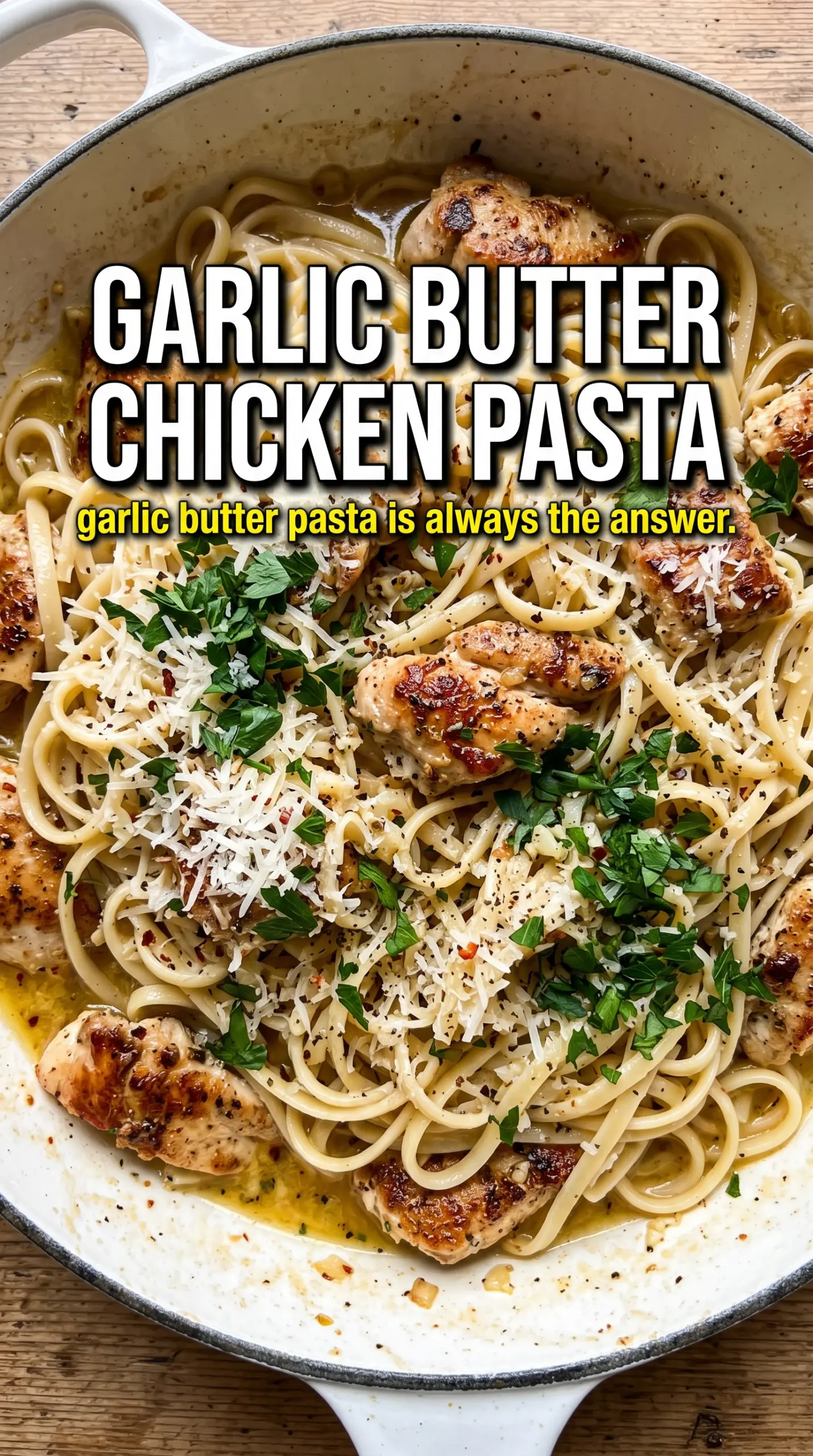
- Chicken breasts — Slicing them into strips helps them cook quickly and stay tender. If you cut them too thick, the outside overcooks before the center is done.
- Butter and olive oil — The oil gives you a higher-heat sear on the chicken, while the butter brings the sauce together later. Using all butter for the sear risks scorching before the chicken browns.
- Garlic — Fresh minced garlic gives this dish its backbone. Jarred garlic works in a pinch, but it won’t taste as bright or clean, and it can turn more pungent when cooked.
- Lemon juice — This cuts through the richness and keeps the sauce from tasting flat. Bottled lemon juice can work, but fresh juice gives the sauce a sharper finish.
- Freshly grated Parmesan — Grate it yourself if you can. Pre-grated cheese often melts less smoothly and can leave the sauce grainy.
- Pasta water — Don’t skip reserving it. A splash at a time loosens the sauce just enough to coat the spaghetti without watering it down.
Building the Chicken, Then Turning the Same Pan Into Sauce
Getting the Sear on the Chicken First
Season the chicken well before it hits the skillet so every strip has flavor, not just the sauce around it. Lay it in a hot pan with the olive oil and leave it alone long enough to brown; if you move it too soon, it steams and sticks instead of developing color. You want golden edges and cooked-through centers, with the juices running clear when you cut into the thickest piece. Pull the chicken out as soon as it’s done so it doesn’t keep cooking and dry out while you finish the pasta.
Cooking the Garlic Without Burning It
Use the same skillet and lower the heat before the butter goes in. That keeps the garlic from scorching in the residual heat from the chicken. Stir constantly while it cooks, and stop as soon as it smells fragrant and the edges start to turn golden. If the garlic turns brown too fast or smells harsh, the pan is too hot and you’ll taste that bitterness in the finished sauce.
Coating the Pasta the Right Way
Add the lemon juice first, then the hot spaghetti, and toss it right away. Start with a small splash of pasta water and keep tossing until the sauce turns silky and starts to cling to the noodles. If it looks loose at first, give it another minute; the starch needs a moment to thicken the butter. Parmesan goes in near the end so it melts into the sauce instead of clumping on top of the pasta.
How to Adapt Garlic Butter Chicken Pasta Without Losing What Makes It Good
Make it gluten-free
Use your favorite gluten-free spaghetti and save a little extra pasta water before draining. Gluten-free pasta can be a touch more fragile, so toss gently and stop as soon as it’s coated. The sauce still works because the starch from the pasta water is doing the heavy lifting.
Make it dairy-free
Swap the butter for a good dairy-free butter and use a dairy-free Parmesan-style topping if you want that salty finish. The sauce will be a little less rich, but the garlic, lemon, and pasta water still give you a glossy coating. Keep the heat low so the replacement fat doesn’t separate.
Use chicken thighs instead
Boneless thighs bring more richness and stay juicy even if they cook a minute longer. They also give you a deeper browned flavor in the pan. Cut them into even strips so they finish at the same time as the breasts would.
Storage and Reheating
- Refrigerator: Store leftovers in an airtight container for up to 3 days. The pasta will absorb some of the sauce as it sits.
- Freezer: This dish freezes, but the sauce texture changes a bit when thawed. If you freeze it, expect the pasta to be softer and plan to refresh it with a splash of water or broth when reheating.
- Reheating: Reheat gently in a skillet over low heat with a splash of water to loosen the sauce. The common mistake is blasting it in the microwave until the butter separates and the chicken dries out.
Answers to the Questions Worth Asking
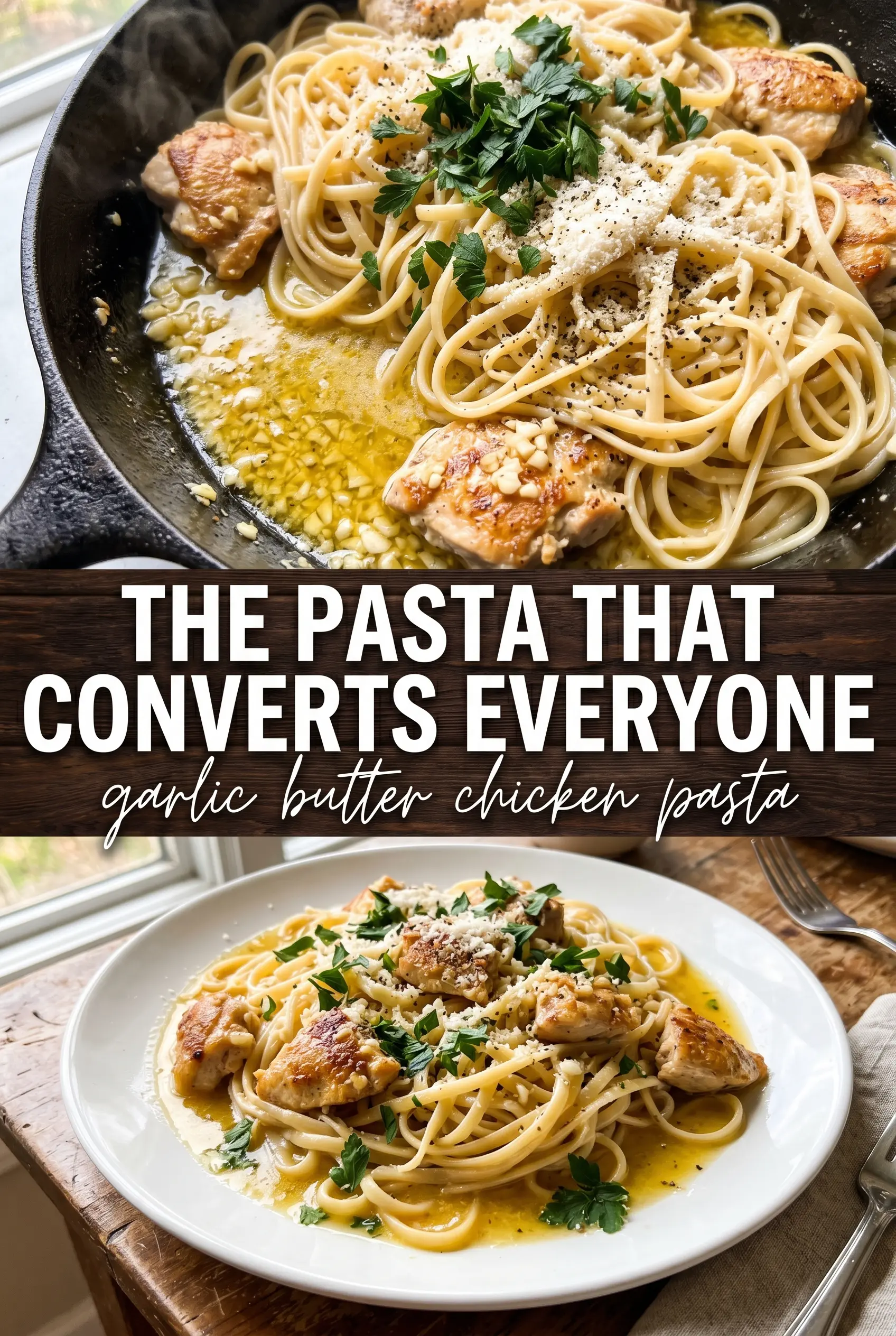
Garlic Butter Chicken Pasta
Ingredients
Equipment
Method
- Season the chicken strips with salt, black pepper, garlic powder, and Italian seasoning. Heat olive oil in a large skillet over medium-high heat and cook the chicken for 4-5 minutes per side until golden and cooked through, then remove to a plate.
- Melt the butter in the same skillet over medium heat. Add minced garlic and red pepper flakes and cook for 1-2 minutes until fragrant and the garlic turns golden at the edges.
- Stir in fresh lemon juice. Add the cooked spaghetti and toss, then add reserved pasta water a splash at a time until every strand is coated and glossy.
- Add the seared chicken strips on top and toss lightly to distribute. Sprinkle freshly grated Parmesan and chopped fresh parsley generously over the pasta.
- Serve immediately while the garlic butter sauce is glistening. Finish with any extra parsley if desired.