Pumpkin pasta sauce turns plain rigatoni into a bowl of silky, savory comfort with just enough sweetness to keep each bite interesting. The sauce clings to the pasta instead of pooling underneath it, and the parmesan gives it a rounded, salty finish that keeps the pumpkin from tasting flat. Fresh sage on top pulls the whole dish into place with a clean, earthy note.
What makes this version work is the balance. Pumpkin puree brings body, but it needs cream for softness and a little white wine to keep the sauce from tasting heavy. I also like to simmer the pumpkin for a few minutes before the parmesan goes in; that takes the raw edge off the puree and gives the sauce a deeper, more cooked flavor. Pasta water is the last piece that matters, because the starch helps the sauce coat every ridge of the rigatoni.
Below, I’ll walk through the one spot where pumpkin sauces usually go grainy, plus the simple swaps that still keep the sauce silky. If you’ve ever wanted a fall-ish pasta that still feels balanced enough for a normal weeknight dinner, this one earns its place.
The sauce turned out silky and coated the rigatoni perfectly. I added a splash more pasta water at the end and it had that restaurant-style gloss instead of getting thick and pasty.
Save this silky pumpkin pasta sauce for the nights when you want a creamy rigatoni dinner with sage and parmesan.
The Secret to Keeping Pumpkin Sauce from Turning Gluey
Pumpkin puree is thick on its own, which is why a lot of versions end up tasting heavy or a little chalky. The trick is to give it enough fat and liquid to loosen the texture, then enough simmer time to cook off the raw edge without reducing it into paste. White wine helps here because it cuts through the sweetness and gives the sauce a sharper, cleaner base before the cream goes in.
The other thing that matters is heat. If the cream goes into a sauce that’s boiling hard, it can look broken or grainy at the finish, especially once the parmesan is added. Keep the simmer gentle and steady. That gives the pumpkin time to soften into the dairy instead of sitting on top of it like a separate layer.
What Each Ingredient Is Doing in the Pan
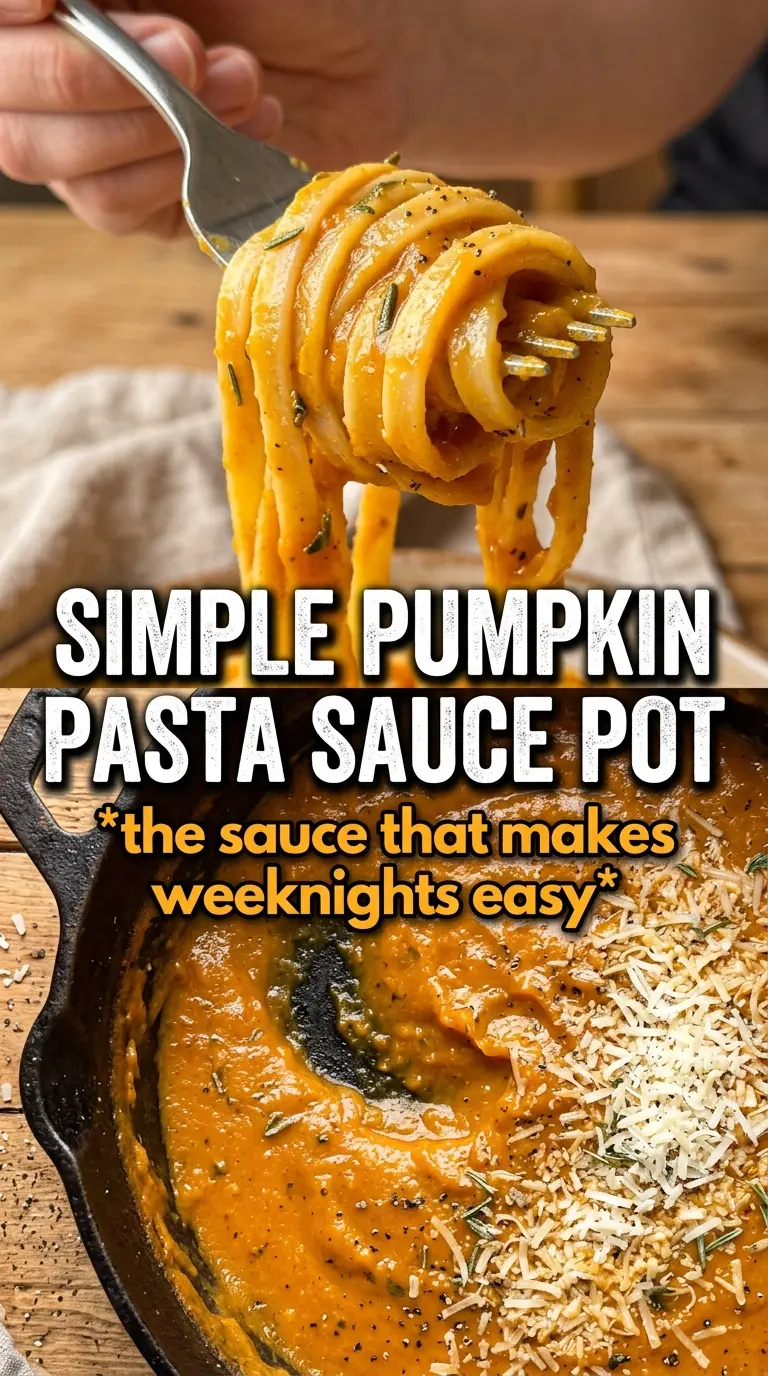
- Pumpkin puree — This is the body of the sauce, not the flavor of the whole dish. Use plain pumpkin puree, not pumpkin pie filling, or the sauce will taste sweet and spiced in the wrong way. Canned pumpkin is the easiest choice and works perfectly here.
- Heavy cream — This smooths out the pumpkin and gives the sauce that plush, clingy texture. Half-and-half will work in a pinch, but the sauce will be thinner and a little less stable once the parmesan goes in.
- White wine — A dry white wine brightens the sauce and keeps it from tasting one-note. If you don’t use alcohol, the best substitute is a splash of vegetable broth with a small squeeze of lemon at the end to replace some of that lift.
- Parmesan — Parmesan adds salt, depth, and a little natural thickening. Grate it fresh if you can; pre-shredded cheese doesn’t melt as smoothly and can leave the sauce sandy.
- Fresh sage — Sage is the finishing note that makes the sauce taste complete. Dried sage can be used inside the sauce, but fresh sage on top gives a cleaner, more fragrant finish.
Building the Sauce So It Stays Silky
Softening the Onion First
Start by cooking the onion in olive oil until it looks translucent and smells sweet, not browned. That first stage lays down the savory base of the sauce, and rushed onions can leave a sharp raw bite that pumpkin doesn’t cover well. Add the garlic only after the onion has softened, because garlic scorches fast and turns bitter in a thin sauce like this.
Reducing the Wine Before the Cream
Once the wine hits the skillet, let it bubble until the sharp alcohol smell fades and there’s just a thin glossy layer left. If you add the pumpkin too soon, the wine flavor can stay harsh and throw off the balance. This short reduction keeps the sauce clean and lets the wine disappear into the background instead of reading like a separate ingredient.
Finishing With Cheese Off the Heat
Stir in the parmesan after the pumpkin mixture has simmered and the pan has calmed down a bit. High heat is what makes dairy sauces break or turn grainy, especially when cheese is involved. If the sauce feels too thick, loosen it with pasta water a splash at a time until it turns glossy and coats the spoon.
How to Adapt This Pumpkin Pasta for Different Nights
Make It Vegetarian Without Changing the Texture
This recipe is already vegetarian as written, so the main job is keeping the texture balanced. Stick with the parmesan or use a vegetarian hard cheese if that’s important for your table. The sauce still gets its body from the pumpkin and cream, so you won’t lose anything by keeping the rest exactly the same.
Dairy-Free Version That Still Feels Rich
Use full-fat coconut milk or an unsweetened oat-based cooking cream instead of heavy cream, and skip the parmesan or add a dairy-free parmesan alternative at the end. Coconut milk gives the sauce a slightly different finish, but the pumpkin still carries the dish. Keep the heat gentle so the plant-based cream stays smooth.
No Wine, Same Depth
Swap the wine for vegetable broth and add a small squeeze of lemon juice at the end. You’ll lose a little of the wine’s aromatic edge, but the sauce will still have enough brightness to keep the cream and pumpkin from feeling heavy. The lemon should be subtle, not sour.
Storage and Reheating
- Refrigerator: Store the sauce and pasta together for up to 4 days. The sauce thickens as it chills, so it will look tighter the next day.
- Freezer: The sauce freezes well on its own for up to 2 months, but cream sauces can separate a little after thawing. Freeze in a flat, airtight container and thaw slowly in the fridge.
- Reheating: Warm it gently over low heat with a splash of water, milk, or broth. High heat is what causes the dairy to split, so keep the burner low and stir often until the sauce loosens again.
Questions I Get Asked About This Recipe
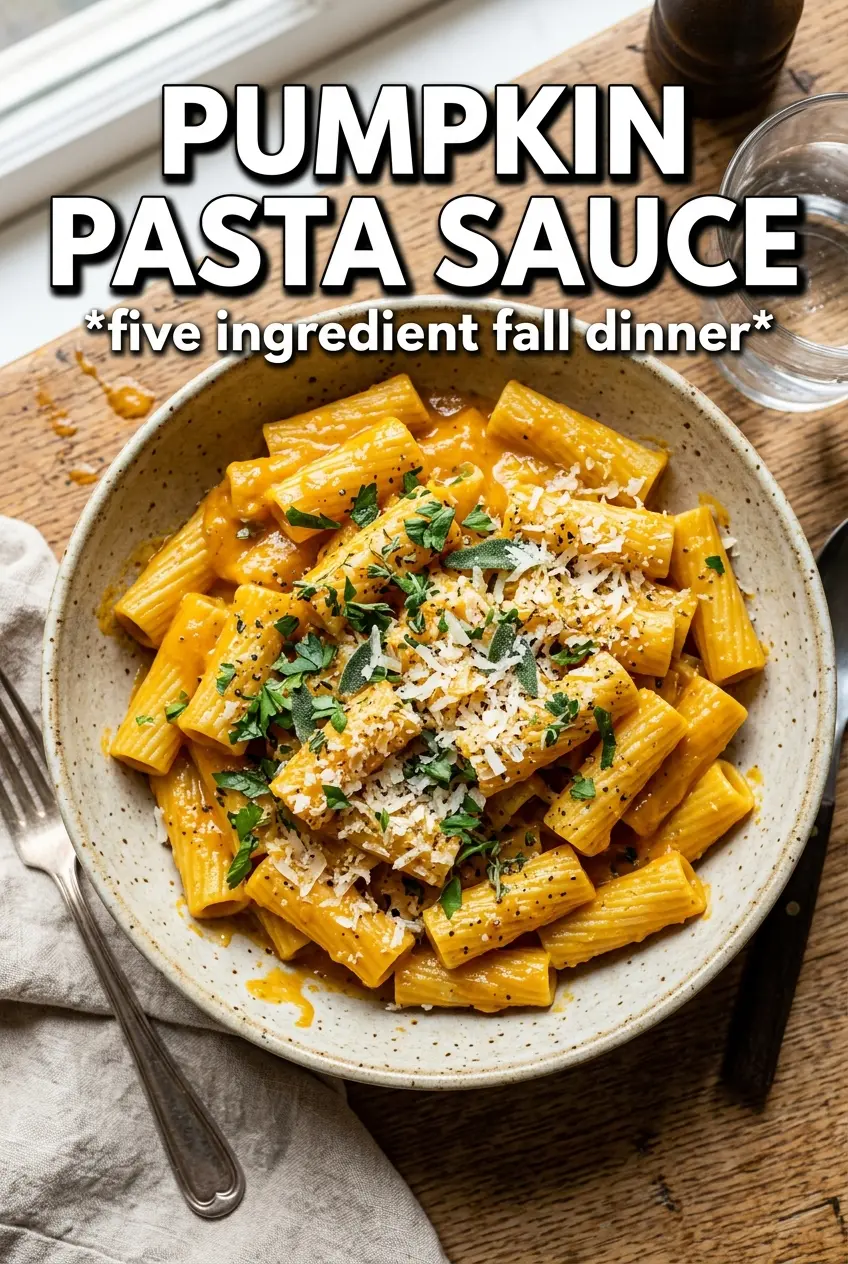
Pumpkin Pasta Sauce
Ingredients
Equipment
Method
- Cook rigatoni or penne in salted water until al dente, then reserve 1 cup of pasta water before draining. Set the pasta aside and keep the reserved water ready for thinning the sauce.
- Heat olive oil in a large skillet over medium heat and sauté diced onion for 4 minutes, until softened and slightly translucent. The onions should look glossy, not browned.
- Add minced garlic to the skillet and cook for 1 minute, stirring constantly. It should become fragrant quickly without turning dark.
- Pour in the dry white wine to deglaze the pan and cook for 2 minutes. Scrape up any browned bits from the bottom as the liquid reduces.
- Add pumpkin puree, heavy cream, Italian seasoning, nutmeg, and red pepper flakes, then simmer for 8 minutes. Stir occasionally until the sauce looks thickened and smooth with a deep-orange color.
- Stir in the grated parmesan and mix until it melts into the sauce. The texture should turn silky and slightly glossy.
- Add the drained pasta to the skillet and toss, adding reserved pasta water as needed to help the sauce cling. Stop when the sauce coats the pasta without pooling.
- Season with salt and pepper to taste, then serve immediately with fresh sage and extra parmesan. The surface should be dotted with sage for a fragrant finish.