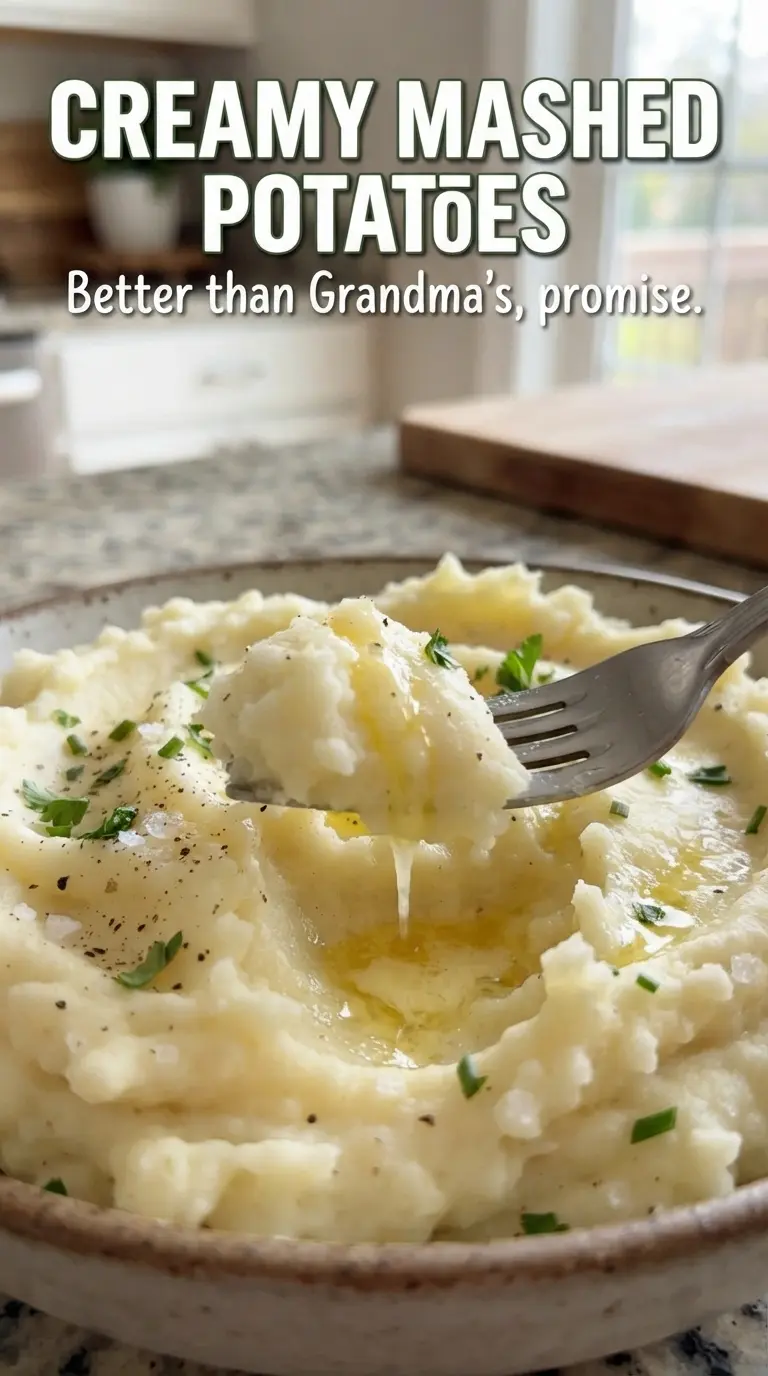
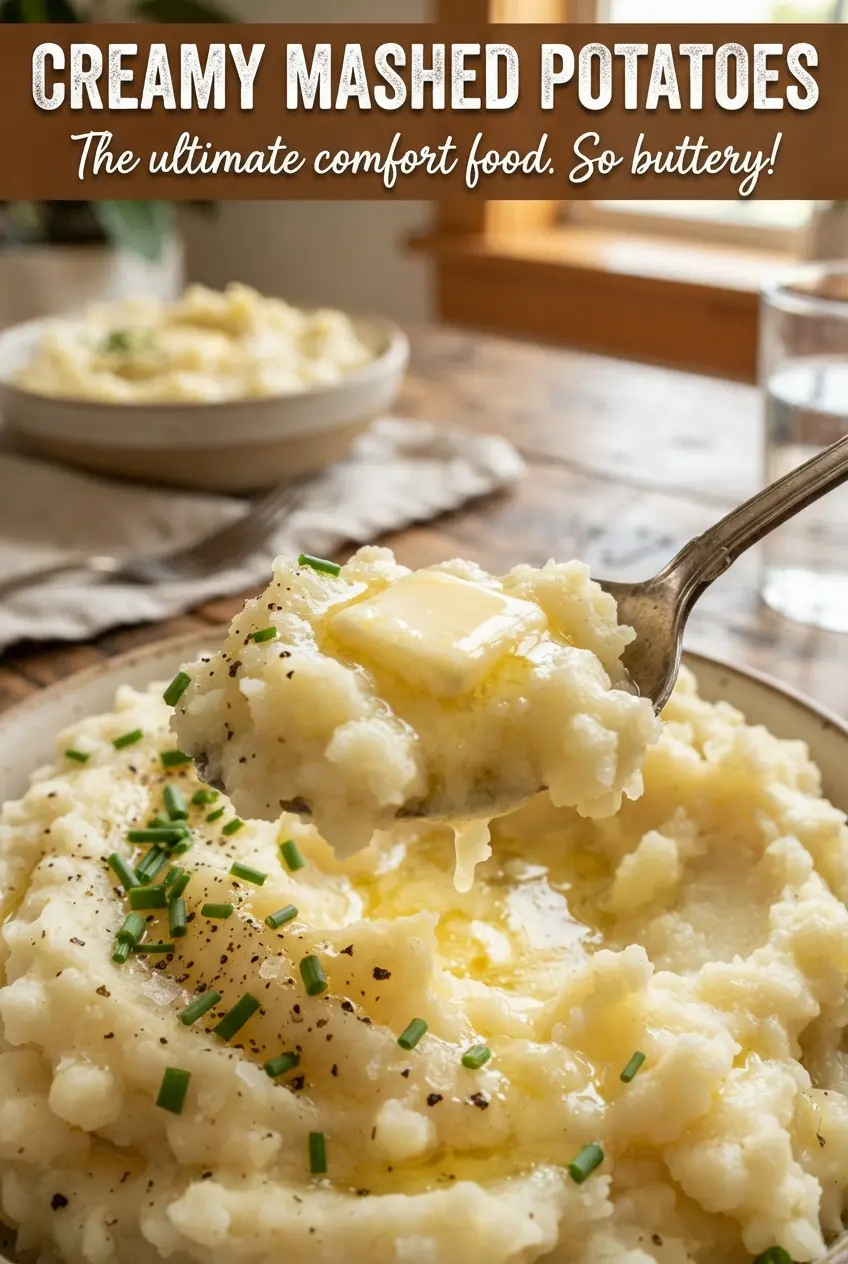
Silky mashed potatoes with a buttery finish and just enough structure to hold a swirl of melted butter are the kind of side dish people remember. This version stays light, not gluey, and the flavor lands clean and comforting instead of heavy. Yukon gold potatoes give you that naturally creamy texture without needing to beat them into submission.
The trick is in the temperature and the timing. Warm the butter, milk, and cream together before they ever meet the potatoes, then let the potatoes steam dry for a minute after draining. That extra step keeps the mash from turning watery, and it also helps the butter absorb evenly instead of streaking through in greasy pockets.
Below, I’ve included the little details that matter most: which potato works best, how to keep the texture fluffy, and what to do if you need to make them ahead for a holiday table or a weeknight dinner.
I loved that the potatoes stayed fluffy instead of turning gluey, and warming the butter with the milk made everything blend in fast. The chives on top were the perfect finish.
Save these creamy mashed potatoes for the next dinner that needs a smooth, buttery side with a soft chive finish.
The Difference Between Fluffy Potatoes and Gluey Potatoes
The biggest mistake with mashed potatoes is overworking them after they’ve been cooked. Once potatoes are broken down too aggressively, the starch starts acting like paste, and no amount of butter can fix that texture. A masher gives you more control, while a ricer or food mill makes the lightest result if you want a smoother finish.
Boiling the potatoes from cold water matters too. They heat through more evenly, so the outsides don’t collapse before the centers are tender. If you start them in already-boiling water, you often get potatoes that are falling apart on the edges and still firm in the middle.
- Yukon gold potatoes — These are the best choice for a creamy mash because they’re naturally buttery and less dry than russets. Russets work if that’s what you have, but the result will be a little lighter and more starchy.
- Warm dairy and butter — Cold butter and milk cool the potatoes down fast and make them harder to blend evenly. Warming them first helps the mash stay smooth and keeps the texture from tightening up.
- White pepper — It gives a gentle bite without leaving black flecks through the potatoes. Black pepper works in a pinch, but the look and flavor are a little sharper.
- Chives — Add them at the end for freshness. They’re not just garnish here; they cut through the richness and keep each bite from feeling flat.
What Each Ingredient Is Doing in This Bowl
- Yukon gold potatoes — Their waxy-meets-creamy texture gives the mash body without needing extra floury starch. Peel them for the smoothest result, and cut them into even chunks so they cook at the same pace.
- Butter — This is where the rich flavor comes from, not just richness for its own sake. Use unsalted butter so you can control the final seasoning yourself.
- Whole milk and heavy cream — Milk keeps the potatoes from becoming too dense, while cream rounds out the texture and gives the mash that silky finish. You can swap in all milk if needed, but the result won’t be quite as plush.
- Salted cooking water — Seasoning the water from the start gives the potatoes flavor all the way through, not just on the surface. If you skip this, the mash can taste flat no matter how much salt you add later.
The Steam-Dry Step That Keeps the Mash Light
Cooking the potatoes evenly
Cover the potatoes with cold water by about an inch, then bring the pot up to a boil and simmer until a knife slips through easily. The pieces should be tender all the way to the center, but not falling apart. If they’re undercooked, you’ll end up with little hard bits that won’t mash smoothly.
Drying them before mashing
Drain the potatoes well, then return them to the hot pot over low heat for about a minute. You want to see steam rising off the potatoes and hear the faint hiss of moisture escaping. If you skip this, that extra water ends up in the bowl and the mash turns loose and watery.
Bringing everything together
Add the warm butter, milk, and cream a little at a time while mashing, not all at once. This lets the potatoes absorb the liquid gradually, so you can stop the moment they look creamy and soft. If the mixture seems too thick at first, give it another minute before adding more liquid; potatoes often loosen a little as they finish blending.
Seasoning at the end
Taste before you serve and adjust with salt and white pepper. Potatoes need more seasoning than most people expect, and under-salted mash tastes dull even when the texture is perfect. Finish with a pat of butter and chives while the potatoes are still warm so the butter melts into the top instead of sitting there in a cold lump.
How to Adapt This Bowl for a Crowd, a Shortcut, or a Dairy-Free Table
Make-Ahead Mashed Potatoes
Cook the potatoes, mash them, then keep them warm in a covered saucepan over very low heat for up to an hour, stirring occasionally and adding a splash of warm milk if they tighten up. For a longer make-ahead plan, refrigerate them and rewarm gently with a little extra butter and milk. The texture stays best when the potatoes are reheated slowly instead of blasted in the microwave.
Dairy-Free Version
Use a good plant-based butter and unsweetened oat milk or plain almond milk for the liquid. Oat milk gives the closest body; almond milk is lighter and a little thinner. The result will still be creamy, but you’ll lose some of the rich finish that heavy cream brings.
Extra-Rich Holiday Style
Swap part of the milk for more cream if you want a richer, more luxurious bowl. This makes the potatoes taste fuller and softer, but it also pushes them closer to a heavy, restaurant-style mash, so serve them with something bright or acidic on the plate.
Storage and Reheating
- Refrigerator: Store in an airtight container for up to 4 days. The potatoes will thicken as they chill.
- Freezer: Mashed potatoes freeze well, especially with butter and cream in them. Cool completely, portion into freezer-safe containers, and thaw overnight in the refrigerator.
- Reheating: Rewarm gently on the stove or in the oven with a splash of milk, stirring as they heat. The main mistake is high heat, which can make them dry on the edges before the center loosens.
Answers to the Questions Worth Asking
Creamy Mashed Potatoes
Ingredients
Equipment
Method
- Place the Yukon gold potatoes in a Dutch oven, cover with cold water by 1 inch, and add 1 tablespoon salt. Bring the water to a boil.
- Simmer for 15-18 minutes, until a knife slides in easily. The potatoes should be tender all the way through.
- Warm the unsalted butter, whole milk, and heavy cream together until the butter melts. Look for a smooth, fully melted mixture with no solid butter pieces.
- Drain the potatoes well and return them to the pot over low heat for 1 minute to steam off moisture. The surface should look slightly dry and fluffy.
- Mash or rice the potatoes, then stir in the warm butter mixture a little at a time until creamy. Stop when the texture is silky and uniform.
- Season with the remaining salt and the white pepper. Top with a pat of butter and sprinkle with fresh chives for garnish.