Silky, golden-orange butternut squash pasta sauce clings to rigatoni in a way that feels rich without being heavy. The squash gives it a naturally sweet, velvety base, while parmesan and cream turn it into a sauce that coats every ridge of the pasta instead of sliding off the plate. A little sage and nutmeg keep it grounded and savory, so it tastes like a proper dinner sauce, not a puree pretending to be one.
What makes this version work is the balance. The squash simmers until it’s completely soft, which means the blender can turn it smooth instead of grainy. Then the cream and parmesan go in after the squash is already blended, so the sauce stays silky instead of breaking or turning gluey. The pasta water matters here too; it loosens the sauce just enough to help it cling to the noodles and finish glossy.
Below, I’ve included the one step that makes the biggest difference in texture, plus the swaps that actually work if you want to make it dairy-free or adjust the sauce for what’s in your kitchen.
The sauce turned out so smooth and coated the rigatoni perfectly. I added a splash of pasta water at the end and it went from thick puree to restaurant-style sauce.
Creamy butternut squash pasta sauce that turns rigatoni into a glossy, comforting dinner
The Trick to Keeping Butternut Squash Sauce Smooth, Not Pasty
The biggest mistake with squash pasta sauce is stopping too soon. If the squash is even a little firm before blending, you’ll get a sauce that tastes fine but feels grainy on the tongue. Let it simmer until a fork slides through the cubes without resistance, and then blend until there are no visible flecks left. That extra minute or two is what turns this from a chunky puree into an actual pasta sauce.
The other place this recipe can go sideways is heat. Once the cream and parmesan go in, keep the simmer gentle. Hard boiling can make the dairy separate or make the parmesan turn sandy instead of melting into the sauce. This sauce should look glossy and thick, with just enough looseness to coat the back of a spoon.
What Each Ingredient Is Actually Doing in This Sauce
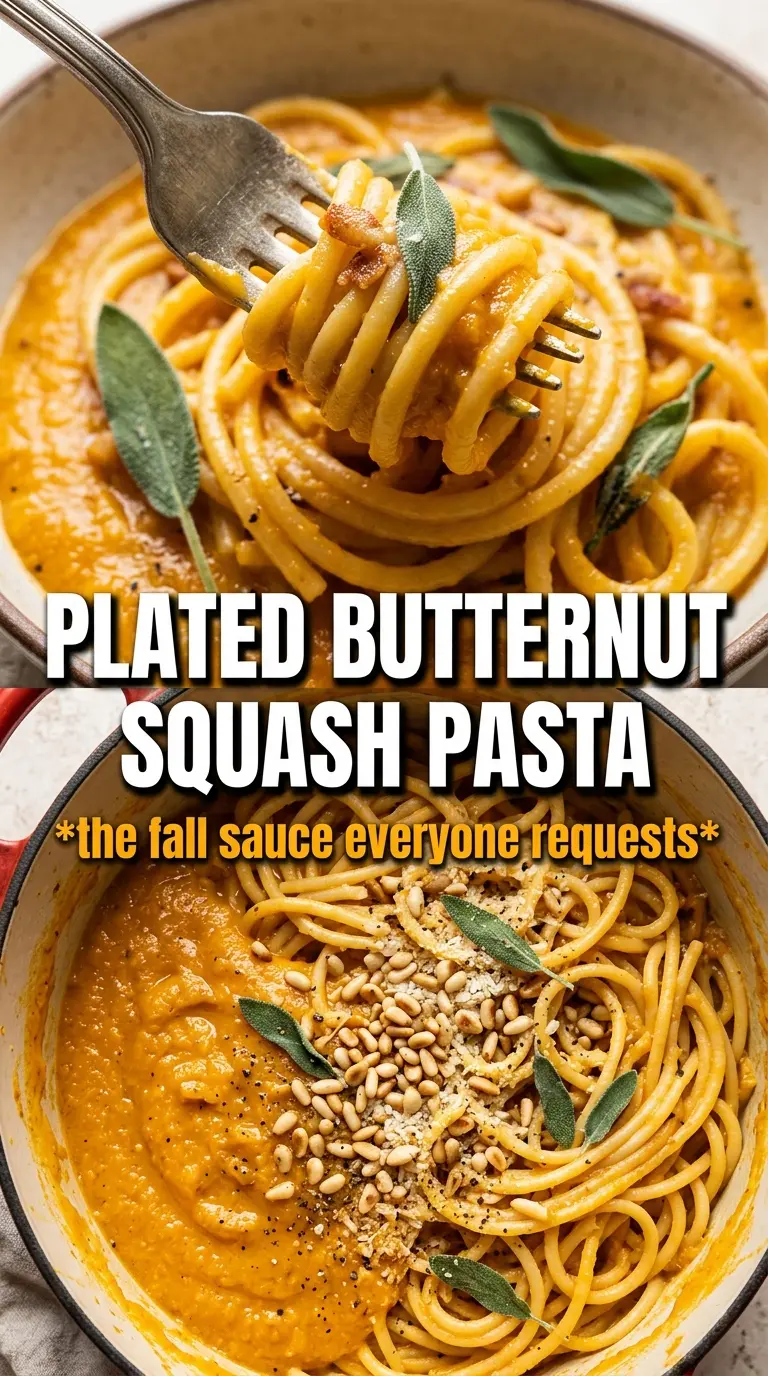
- Butternut squash — This is the base of the sauce, so quality matters here. A fresh squash gives you the cleanest flavor and the smoothest blend. Frozen cubed squash works in a pinch; use it straight from frozen and cook it until it’s falling apart before blending.
- Onion and garlic — These build the savory backbone so the sauce doesn’t taste flat or overly sweet. The onion needs those full five minutes to soften and turn translucent; if you rush it, the sauce tastes sharp instead of mellow.
- Vegetable or chicken broth — Broth does more than thin the sauce. It seasons the squash from the inside out while it cooks. Use a good-tasting broth here, because watery broth makes the finished sauce taste one-note.
- Heavy cream — This gives the sauce its lush texture and helps it coat the pasta. Half-and-half will work, but the sauce will be a little lighter and less stable. Add it after blending so it warms through without curdling.
- Parmesan — This adds salt, depth, and a savory edge that keeps the sauce from tasting like mashed squash. Grate it finely so it melts in cleanly. Pre-grated parmesan can leave the sauce slightly gritty.
- Sage and nutmeg — Sage makes the sauce taste intentional; nutmeg quietly deepens the squash flavor. Fresh sage is best here because it gets fragrant in the oil, but dried sage can work if you use less and crush it between your fingers first.
Building the Sauce So It Stays Velvety
Softening the Onion and Blooming the Sage
Heat the olive oil in a large pot, then cook the onion until it turns soft and translucent, about five minutes. The goal is sweetness, not color, so keep the heat at medium and stir often. Add the garlic and chopped sage for the last two minutes, just until they smell fragrant. If the garlic starts browning, it will taste bitter in the finished sauce.
Cooking the Squash Until It Falls Apart
Add the squash and broth, bring it to a boil, then lower the heat and simmer until the squash is very tender, about 20 minutes. The cubes should break apart easily when pressed with a spoon. If there’s still any firmness in the center, keep cooking; undercooked squash is the main reason this sauce comes out grainy after blending. You want the pieces soft enough to disappear completely.
Blending and Finishing the Sauce
Blend the mixture until it’s fully smooth, then stir in the cream, parmesan, nutmeg, and red pepper flakes. Keep the heat low and let it simmer gently for about five minutes so the cheese melts into the sauce instead of clumping. Toss in the cooked pasta and add pasta water a splash at a time until the sauce hugs the noodles. Finish with salt and pepper after the pasta is in the pot, because the parmesan and broth already bring salt to the party.
Three Ways to Make This Pasta Sauce Fit Your Kitchen
Dairy-Free Version
Swap the cream for unsweetened oat cream or full-fat coconut milk, and use nutritional yeast in place of some or all of the parmesan. You’ll lose a little of the sharp savory edge that parmesan gives, but the sauce stays creamy and still feels rich enough to coat pasta properly. Keep the heat gentle after the swap, especially if you use coconut milk.
Make It Vegetarian
Use vegetable broth instead of chicken broth and you’ll still get a full, savory sauce. The flavor stays just as round because the squash, onion, garlic, and parmesan do most of the work. This is the easiest swap in the recipe, and it doesn’t change the texture at all.
Thicker Sauce for Baked Pasta
Let the finished sauce simmer a few extra minutes before tossing it with the pasta. You want it thick enough to sit on the noodles without pooling at the bottom of the bowl. This version works well if you plan to bake it with mozzarella or extra parmesan on top.
Storage and Reheating
- Refrigerator: Store in an airtight container for up to 4 days. The sauce will thicken as it chills.
- Freezer: The sauce freezes well for up to 2 months, but the texture is best if you freeze the sauce before adding the pasta. Thaw overnight in the fridge.
- Reheating: Rewarm gently on the stove over low heat with a splash of broth, milk, or water to loosen it back up. High heat can make the dairy separate and turn the sauce grainy.
Answers to the Questions Worth Asking
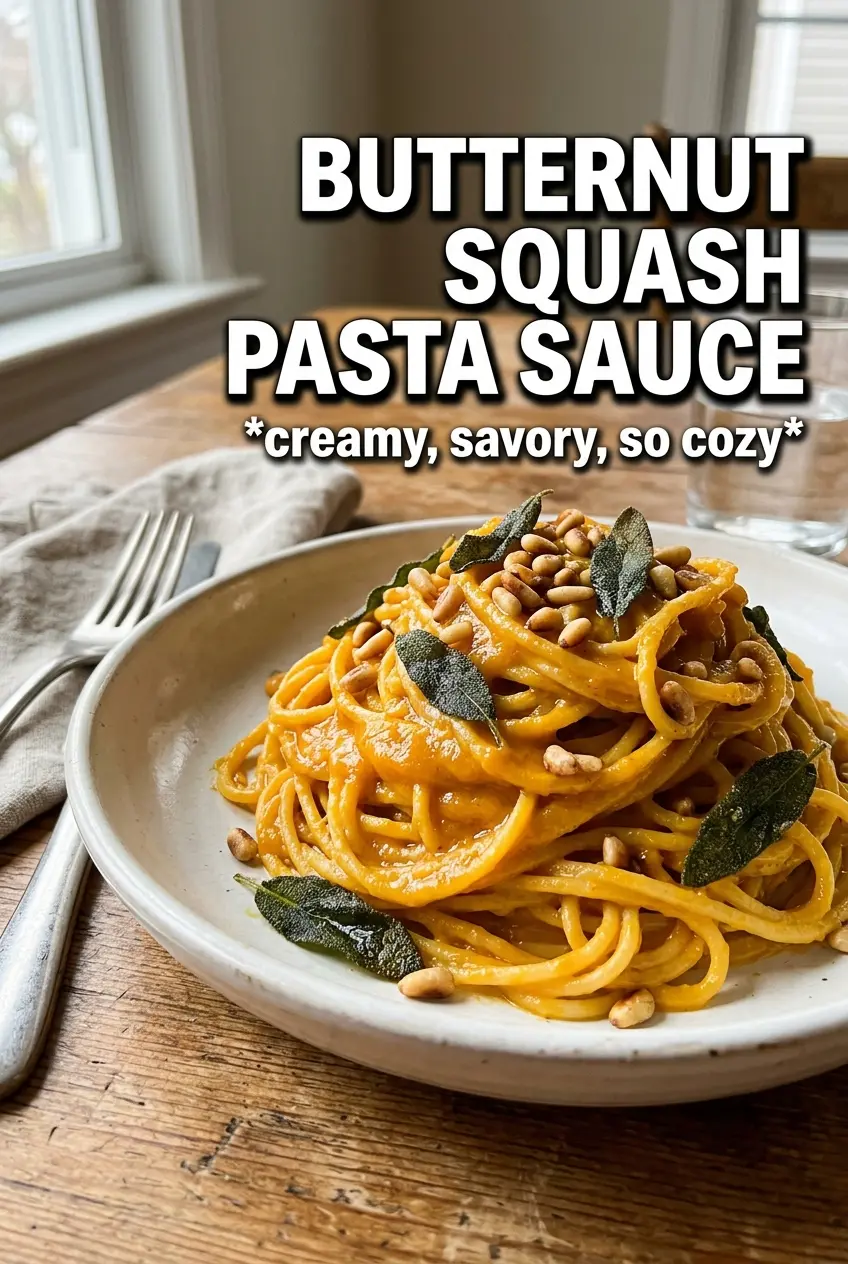
Butternut Squash Pasta Sauce
Ingredients
Equipment
Method
- Heat 2 tablespoons olive oil in a large pot over medium heat until shimmering. Sauté the diced onion for 5 minutes, then add the minced garlic and chopped sage and cook for 2 minutes.
- Add the cubed butternut squash and 3 cups broth to the pot. Bring to a boil, then reduce to a simmer and cook for 20 minutes until the squash is very tender.
- Blend the sauce completely smooth using an immersion blender. Stop when it is silky with no visible squash pieces.
- Stir in the heavy cream, grated parmesan, nutmeg, and red pepper flakes. Simmer for 5 minutes, stirring occasionally, until warmed through and slightly thickened.
- Cook rigatoni or penne separately until al dente, then add it to the sauce. Toss and loosen with reserved pasta water as needed until the pasta is evenly coated.
- Season the pasta sauce with salt and pepper to taste. Taste and adjust before serving hot.