Colorful vegetables pick up a lot more character when they’re given a marinade that can cling, soak in, and finish with a little bite. This one does all three. The balsamic brings depth, the lemon keeps it bright, and the Dijon helps the oil and vinegar stay emulsified long enough to coat every ridge and edge.
The trick is in the balance. Too much acid and the vegetables turn mushy before they ever hit the grill. Too much oil and they taste coated, not seasoned. This version stays punchy enough for zucchini, peppers, mushrooms, and onions without drowning them, and the garlic and herbs stay noticeable after cooking instead of disappearing into the smoke.
Below, I’ll show you how long to marinate each vegetable, which swaps still keep the marinade balanced, and the small move that keeps grilled vegetables from tasting flat.
I used this on zucchini, mushrooms, and onions before grilling, and the marinade actually stayed on the vegetables instead of pooling at the bottom. The balsamic and garlic came through after cooking, and the veggies had great char without getting soggy.
Save this veggie marinade for grilled zucchini, peppers, and mushrooms that need bold flavor fast.
The Reason This Marinade Clings Instead of Sliding Off
The difference between a useful vegetable marinade and a puddle at the bottom of the bowl comes down to emulsification. Dijon mustard helps the oil and vinegar stay together long enough to coat the vegetables evenly, which matters because vegetables don’t have the same surface structure as meat. If the mixture breaks, the acid and oil separate fast, and you end up seasoning the bowl instead of the vegetables.
Another thing that changes the result is how long the vegetables sit in the marinade. Thirty minutes is enough for most cut vegetables to pick up flavor without softening too much. Push it much past two hours and watery vegetables can start to lose their texture, especially zucchini and mushrooms.
What Each Ingredient Is Actually Doing Here
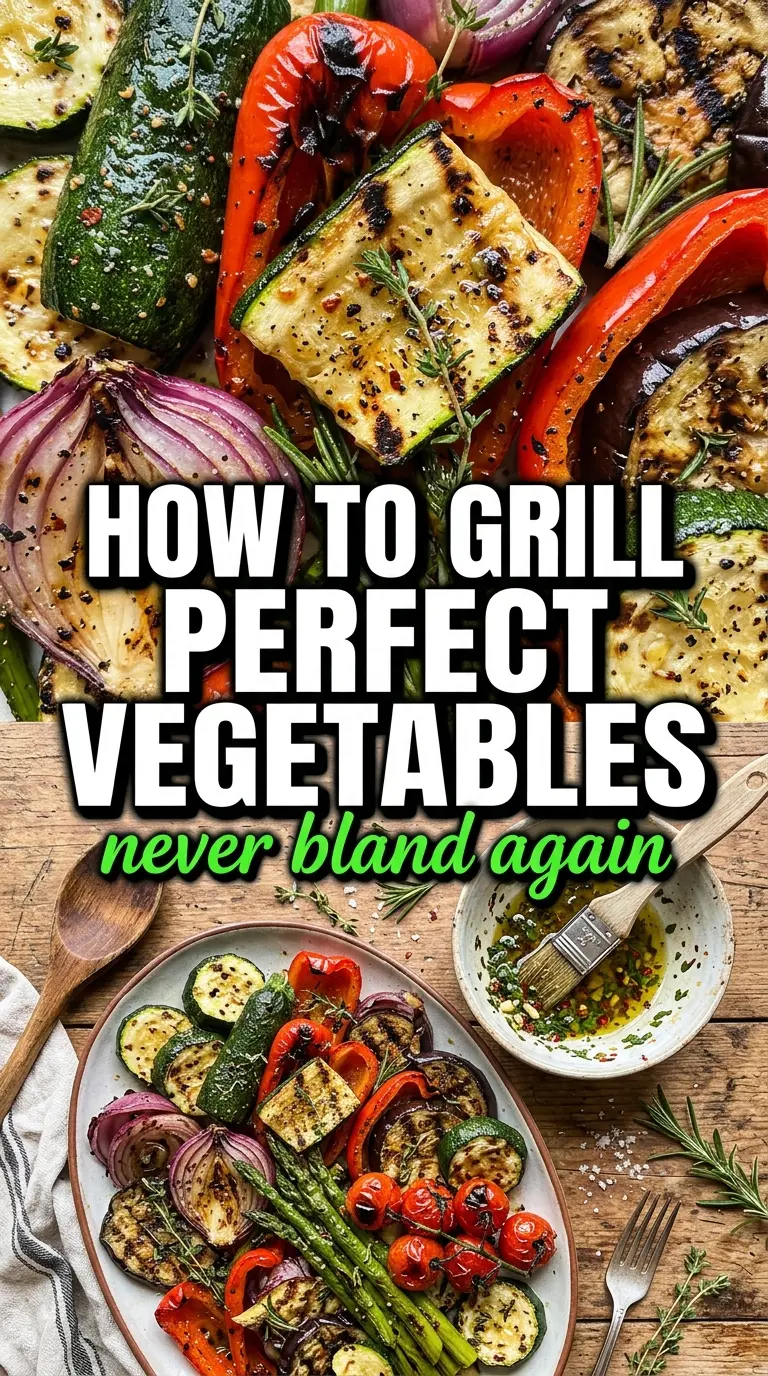
- Olive oil — Carries the flavor across the vegetables and helps them brown on the grill instead of drying out. Use a decent everyday oil here; you’ll taste it. If you need a substitute, avocado oil works well and handles high heat just as nicely.
- Balsamic vinegar — Adds sweetness and depth, not just acidity. It also helps the vegetables caramelize a little faster over heat. Red wine vinegar can stand in, but the marinade will taste sharper and less rounded.
- Lemon juice — Brings brightness that keeps the marinade from tasting heavy. Fresh lemon juice gives the cleanest finish. Bottled juice works in a pinch, but the flavor is flatter.
- Dijon mustard — This is the ingredient that holds the whole thing together. It helps emulsify the marinade and gives it a subtle savory edge. Yellow mustard won’t give the same depth, so I’d skip that swap unless it’s your only option.
- Honey — Rounds out the acid and encourages a little extra browning on the grill. Maple syrup can replace it if that’s what you have, though it will taste a bit more earthy.
- Garlic and dried herbs — Garlic brings the punch, while oregano and basil give the marinade that familiar grilled-vegetable backbone. Mince the garlic finely so it disperses instead of clumping. If the garlic is coarse, it tends to scorch on the grill.
How to Marinate Vegetables Without Making Them Limp
Whisking the Marinade Until It Stays Together
Start by whisking the oil, vinegar, lemon juice, mustard, honey, garlic, herbs, and seasonings until the mixture looks glossy and unified. You’re aiming for a marinade that holds together for a minute or two, not one that instantly separates into layers. If the honey or mustard isn’t fully blended, keep whisking; those are the pieces that help the whole thing cling.
Coating the Vegetables the Right Way
Use a wide bowl or a zip-top bag so the vegetables can move around without getting crushed. Toss until every piece has a thin, even sheen. If the vegetables are piled too high in a shallow dish, the bottom pieces soak while the top stay bare, and the final grill result is uneven.
Letting the Clock Work for You
Thirty minutes is the sweet spot for most vegetables. That’s enough time for flavor to settle in without drawing too much water out of the produce. For thicker vegetables like onion wedges or bell pepper strips, up to two hours is fine. For mushrooms and zucchini, stay closer to the shorter end so they keep their shape on the grill.
Grilling and Finishing Without Burning the Sugar
Cook the vegetables over medium-high heat until they pick up char marks and turn tender at the edges. Keep an eye on any honey in the marinade, because it can darken quickly once it hits the heat. Brush on a little extra marinade during grilling only in the last few minutes; adding it too early can make the surface scorch before the vegetables are cooked through.
How to Adapt This for Different Vegetables and Dietary Needs
For a dairy-free or vegan version
This marinade is already dairy-free, and it becomes vegan with one small swap: use maple syrup instead of honey. Maple keeps the same balancing sweetness, but it tastes a little deeper and less floral. The texture and grilling performance stay the same.
For sweeter char on the grill
Add an extra teaspoon of honey if you want more caramelized edges, especially on onions and bell peppers. Don’t overdo it, though, because too much sugar can make the vegetables look done before they’re actually tender. The goal is a little browning, not a sticky glaze.
For heartier vegetables like cauliflower or potatoes
Heavier vegetables benefit from a longer soak, up to 2 hours, because their structure holds up better. For potatoes, par-cook them first so the marinade has a chance to flavor the outside without leaving the centers underdone. Cauliflower takes on the marinade nicely as-is, but it browns best when the florets are dry before marinating.
Storage and Reheating
- Refrigerator: Store leftover grilled vegetables in an airtight container for up to 3 days. They’ll soften a bit as they sit, but the flavor holds well.
- Freezer: I don’t recommend freezing the marinated raw vegetables. Freezing changes the texture too much, especially for zucchini, peppers, and mushrooms.
- Reheating: Warm leftovers in a hot skillet or a 375°F oven until heated through. The common mistake is microwaving them too long, which makes them watery and dull instead of lightly re-charred.
Questions I Get Asked About This Recipe
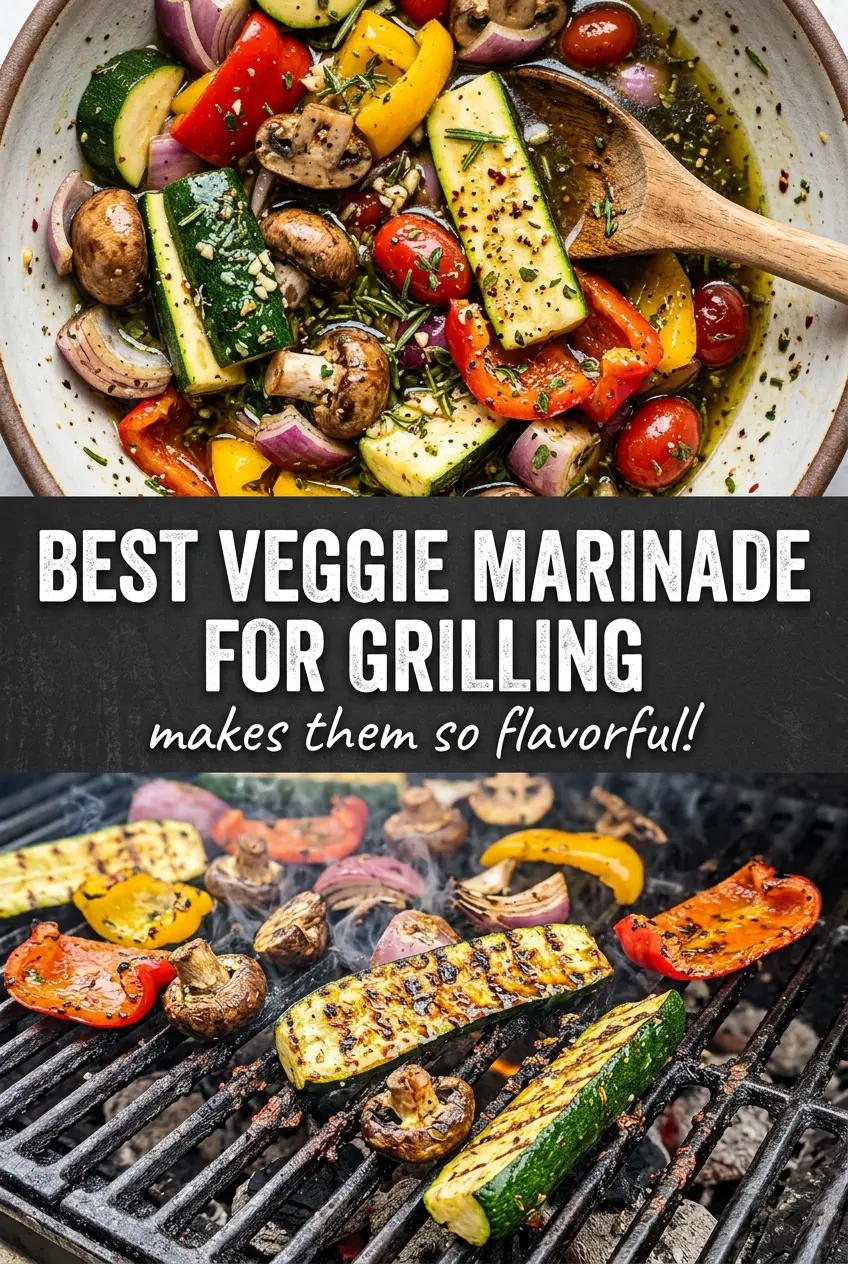
Best Veggie Marinade
Ingredients
Method
- Whisk olive oil, balsamic vinegar, lemon juice, minced garlic, Dijon mustard, honey, dried oregano, dried basil, and red pepper flakes in a bowl until well combined and emulsified, with the mixture turning glossy and uniform.
- Pour the marinade over prepared vegetables (zucchini, bell peppers, mushrooms, onions) in a large bowl or zip-top bag and toss until evenly coated so each surface looks lightly glossy.
- Cover and marinate for 30 minutes, or refrigerate up to 2 hours so the vegetables absorb flavor.
- Grill vegetables over medium-high heat until tender and charred, turning as needed for color on multiple sides.
- Brush vegetables with any remaining marinade during grilling so the exterior looks slightly tacky and more deeply flavored, then serve.