Warm pearl couscous, sweet roasted butternut squash, tart cranberries, and creamy goat cheese make this autumn pearl couscous salad feel hearty enough to stand beside a main dish, but fresh enough to keep people coming back for another scoop. The best bites have a little of everything: chewy couscous, tender squash, crunch from toasted pecans and pumpkin seeds, and a sharp maple balsamic dressing that ties it all together.
What makes this salad work is the balance of texture and temperature. Pearl couscous holds onto dressing better than smaller grains, so each pearl gets coated instead of disappearing into the bowl. Cooling the couscous before tossing it with the greens keeps the arugula from wilting too fast, and roasting the squash until the edges caramelize gives the salad a deeper, sweeter finish than steaming ever could.
Below, I’ve included the small details that matter most: how to keep the couscous from turning gummy, when to add the goat cheese so it stays intact, and a few easy swaps if you want to adjust it for what’s in your kitchen.
The couscous stayed fluffy instead of clumping, and the maple balsamic brought everything together without making the arugula soggy. I made it the night before and it still tasted fresh for lunch the next day.
Save this autumn pearl couscous salad for a make-ahead side with roasted squash, maple balsamic, and crunchy toasted pecans.
The Trick to Keeping Pearl Couscous Fluffy Instead of Sticky
Pearl couscous can turn dense if it sits hot and wet in the bowl too long. The fix is simple: cook it until tender, then spread it out or let it cool before mixing in the rest of the ingredients. That gives the exterior a chance to dry just enough so it stays separate and soaks up dressing instead of turning into paste.
The other common problem is over-tossing. This salad needs a gentle hand because the squash softens fast and the goat cheese can smear if you work it too hard. Add the greens and dressing last, then fold just until everything looks lightly coated.
What Each Ingredient Is Actually Doing in This Salad
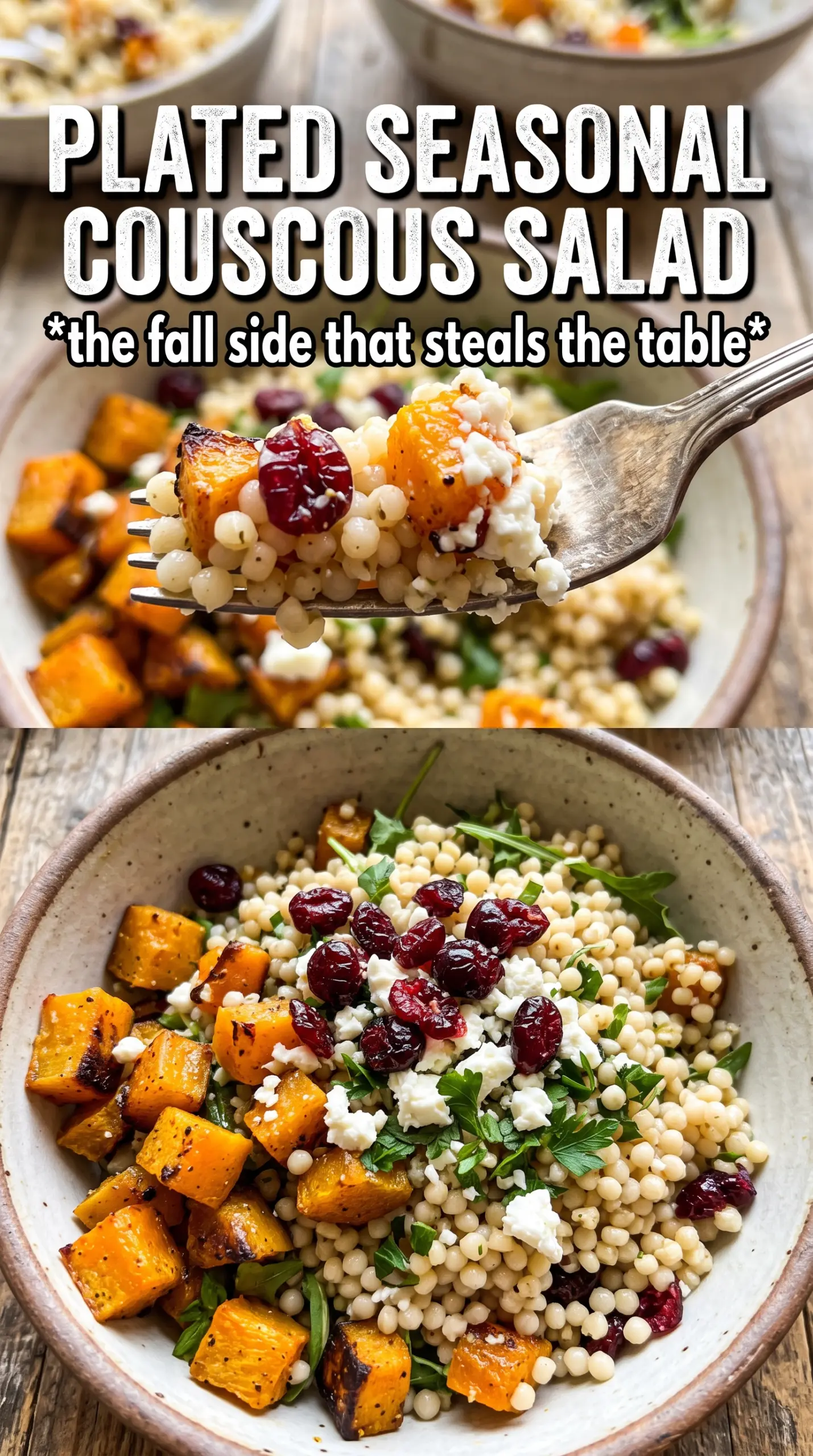
- Pearl couscous — This is the base that gives the salad its chew. Regular couscous won’t give you the same bite or hold the dressing as well, so it’s worth using the larger pearl version here.
- Butternut squash — Roasting brings out the sweetness and gives the edges some caramelized depth. Cubes that are cut evenly will cook at the same rate, which keeps the salad balanced instead of half mushy and half firm.
- Arugula or mixed greens — Arugula adds a peppery bite that keeps the salad from tasting too sweet. Mixed greens work if you want something milder, and they’re the better choice if you’re serving people who don’t love arugula.
- Goat cheese — A little tang cuts through the maple dressing and softens the sweetness of the squash and cranberries. If you want a cleaner, less creamy finish, feta is the closest swap.
- Toasted pecans and pumpkin seeds — Toasting matters here because raw nuts taste flat next to the dressed couscous. The extra minute or two in a dry skillet gives the salad the crunch it needs.
- Maple balsamic dressing — This is a bright, lightly sweet dressing, not a heavy one. Dijon helps it emulsify, so whisk until it looks smooth and slightly thickened before you pour it over the salad.
Building the Salad So Every Bite Stays Balanced
Roasting the Squash Until It Caramelizes
Spread the squash in a single layer on a sheet pan and roast it at 425°F until the edges look browned and the centers are tender when pierced. If the pan is crowded, the squash steams and turns soft instead of developing those sweet, roasted edges. Let it cool for a few minutes before adding it to the bowl so it doesn’t wilt the greens on contact.
Whisking the Dressing Until It Stays Together
Put the olive oil, balsamic vinegar, maple syrup, Dijon, salt, and pepper in a small bowl and whisk until the dressing looks glossy and cohesive. If it separates after sitting, whisk again right before you toss it in. The Dijon is doing real work here, so don’t skip it unless you’re prepared for a thinner, less stable dressing.
Assembling Without Crushing the Good Parts
Start with the couscous, squash, cranberries, and pecans, then add the greens and a little dressing at a time. Toss gently with a big spoon or your hands so the couscous stays intact and the goat cheese can be added on top instead of melting into the bowl. The last sprinkle of pumpkin seeds gives you crunch right at the end, which is what keeps the salad interesting.
How to Adapt It for Different Tables and Leftovers
Make It Dairy-Free
Skip the goat cheese and add an extra handful of toasted pecans or pumpkin seeds for richness. The salad still works because the dressing and roasted squash carry the flavor, but you lose the creamy tang that goat cheese brings, so a spoonful of avocado on serving can help replace that soft contrast.
Swap in Farro for a Heartier Grain Salad
Use cooked farro in place of the pearl couscous if you want a chewier, nuttier base. It makes the salad feel more substantial and holds up even longer in the fridge, but it won’t have the same tender bounce that makes couscous so good here.
Use Pomegranate Seeds Instead of Cranberries
Pomegranate seeds give you a brighter, juicier pop and a fresher finish, especially if you’re serving this with roasted chicken or turkey. They don’t bring the same chewy sweetness as cranberries, so the salad will taste a little lighter and sharper.
Storage and Reheating
- Refrigerator: Store for up to 3 days in an airtight container. The greens will soften a bit, but the salad still tastes good cold or at room temperature.
- Freezer: Don’t freeze this salad. The couscous and greens lose their texture, and the dressing separates after thawing.
- Reheating: This is best served chilled or room temperature. If you want the squash a little warmer, reheat that portion separately and add it just before serving so the greens don’t wilt.
Questions I Get Asked About This Salad
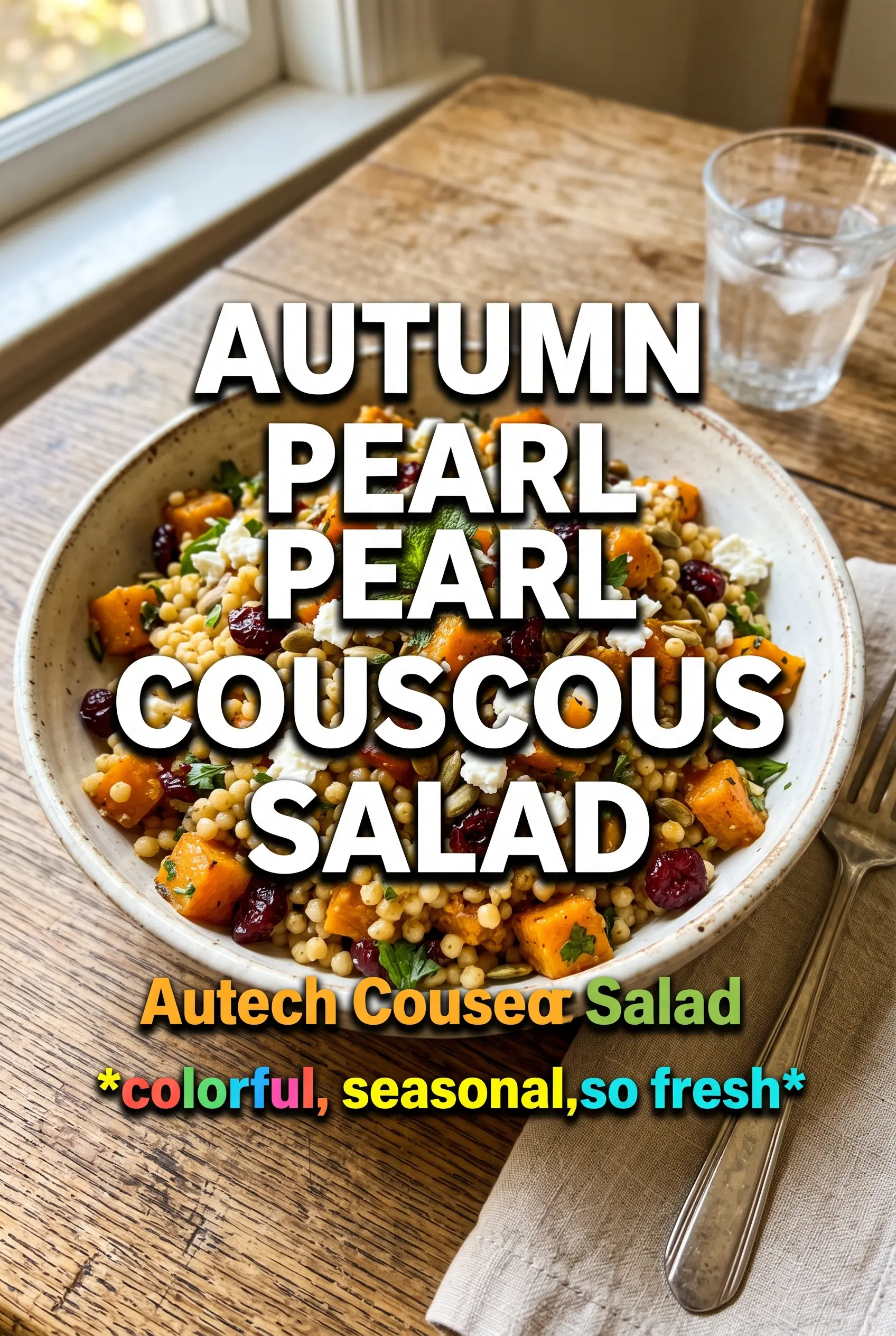
Autumn Pearl Couscous Salad
Ingredients
Equipment
Method
- Cook the pearl couscous per package instructions, then cool to room temperature before using.
- Roast cubed butternut squash at 425F with olive oil, salt, and pepper for 25 minutes, until golden and tender.
- Whisk olive oil, balsamic vinegar, maple syrup, and Dijon until emulsified, then season with salt and pepper to taste.
- Combine cooled couscous, roasted squash, arugula (or mixed greens), dried cranberries, and toasted pecans in a large bowl.
- Drizzle the dressing over the salad and toss gently until everything looks evenly coated.
- Top with crumbled goat cheese and toasted pumpkin seeds before serving for a visible creamy-and-crunchy finish.