Fluffy, savory Mexican rice earns its place on the table because the grains stay separate, the color turns a deep tomato red, and every spoonful carries a little sweetness from the carrots and peas. When it’s done right, it doesn’t sit there as a plain side dish. It tastes like part of the meal, built to soak up salsa, beans, enchiladas, or anything else on the plate.
The difference here is in the rice itself. Toasting the grains in oil before any liquid goes in gives you a cleaner, less sticky texture, and cooking the tomato sauce for a minute or two in the pan deepens its flavor instead of leaving it flat and raw. The broth does the heavy lifting for seasoning, while the short rest at the end lets the steam finish the center without turning the bottom mushy.
Below, I’ll walk through the one step people rush most often, how to keep the rice from getting wet and gluey, and a few smart swaps if you need to adjust what’s in the pantry.
The rice came out fluffy and separate, and the tomato sauce tasted cooked-in instead of raw. I liked that the carrots and peas stayed bright and gave it that classic restaurant-style look.
Save this Mexican rice for the nights when you want fluffy grains, a rich tomato base, and that classic red color with almost no extra effort.
Why Toasting the Rice First Keeps It From Going Soft
The step that matters most here happens before the liquid ever hits the pan. Raw rice is dry and fragile, and if you dump broth straight over it, the outside can swell too fast while the center turns pasty. Toasting the grains in oil changes that. It helps the surface firm up a bit, which keeps the rice separate after simmering instead of collapsing into a heavy mound.
The second thing that protects the texture is the tomato sauce going into the hot pan before the broth. That brief cook removes the raw edge and lets the sauce coat the rice evenly. If you skip it, the finished rice can taste thin and the color stays flat instead of turning that deeper, brick-red shade you want.
- Long-grain white rice — This is the right rice for loose, fluffy grains. Short-grain rice releases too much starch and turns dense. If that’s all you have, rinse it first and expect a softer finish.
- Chicken broth — This seasons the rice from the inside. Water will work in a pinch, but the rice will taste quieter and need more salt to wake it up.
- Tomato sauce — Tomato sauce gives body and color without the sharp acidity of diced tomatoes. Tomato puree can work, but it makes the rice thicker and a little more intense.
- Frozen peas and diced carrots — These add the classic look and a little sweetness. Keep the pieces small so they cook through in the same time as the rice.
- Bay leaf and cumin — Bay leaf rounds out the broth, and cumin gives the rice that familiar warm note. Don’t overdo the cumin; this should smell balanced, not smoky.
Building the Color and Texture in the Same Pan
Toasting the Grains
Heat the oil over medium and stir the rice constantly until the grains look slightly translucent and take on a pale golden color. You’re not trying to brown every kernel deeply; you’re looking for a dry, nutty smell and a slight sheen on the rice. If the pan is too hot, the outside scorches before the center has time to toast, and that gives you bitter spots in the finished dish.
Cooking Out the Tomato Sauce
Add the onion and garlic for just long enough to soften and smell fragrant, then stir in the tomato sauce and let it cook for a minute or two. The sauce should darken a shade and start clinging to the rice. If it still looks loose and bright red, it hasn’t cooked long enough and the final flavor will taste flatter.
Simmering Without Disturbing the Grain
Once the broth and vegetables go in, bring everything to a boil, then drop it to low and cover the pan. After that, leave it alone. Lifting the lid lets steam escape, and that steam is what finishes the rice evenly. If the liquid is gone before the rice is tender, the heat was too high; lower it next time and keep the simmer gentle, with just a few bubbles around the edges.
The Rest That Finishes the Job
When the timer ends, take the pan off the heat and keep the lid on for five minutes. This short rest lets the moisture redistribute so the top and bottom finish at the same time. Fluff with a fork, not a spoon, so you don’t crush the grains. Pull out the bay leaf before serving and add cilantro at the end for a fresh finish.
How to Adapt This Rice for the Pantry You Have
Make It Vegetarian
Swap the chicken broth for vegetable broth and keep the rest exactly the same. A good vegetable broth still gives the rice body, but the flavor will be a little lighter, so salt it at the end after you taste it.
Make It Gluten-Free
The rice itself is naturally gluten-free, but the broth matters. Use a certified gluten-free broth or stock so you don’t bring in hidden additives from the carton. The cooking method doesn’t need to change at all.
Skip the Peas if You Want a Smoother Rice
Leave out the peas and keep the carrots diced small for a cleaner, more uniform texture. You’ll lose a little sweetness and color contrast, but the rice will look more traditional if you want that deep red, restaurant-style finish.
Use Brown Rice Only With a Different Cook Time
Brown rice needs more liquid and a much longer simmer, so it won’t work as a straight swap here. If you want to use it, plan on adding extra broth and cooking until the grains are tender, then resting it just as you would with white rice. The texture will be nuttier and less fluffy.
Storage and Reheating
- Refrigerator: Store in an airtight container for up to 4 days. The rice firms up a little as it chills, which is normal.
- Freezer: It freezes well. Portion it into airtight containers or freezer bags and freeze for up to 2 months. Press the rice flat in the bag so it thaws evenly.
- Reheating: Reheat covered in the microwave with a spoonful of water or broth, or warm it on the stove over low heat. The mistake people make is blasting it dry, which leaves the edges hard before the center is hot.
Questions I Get Asked About This Recipe
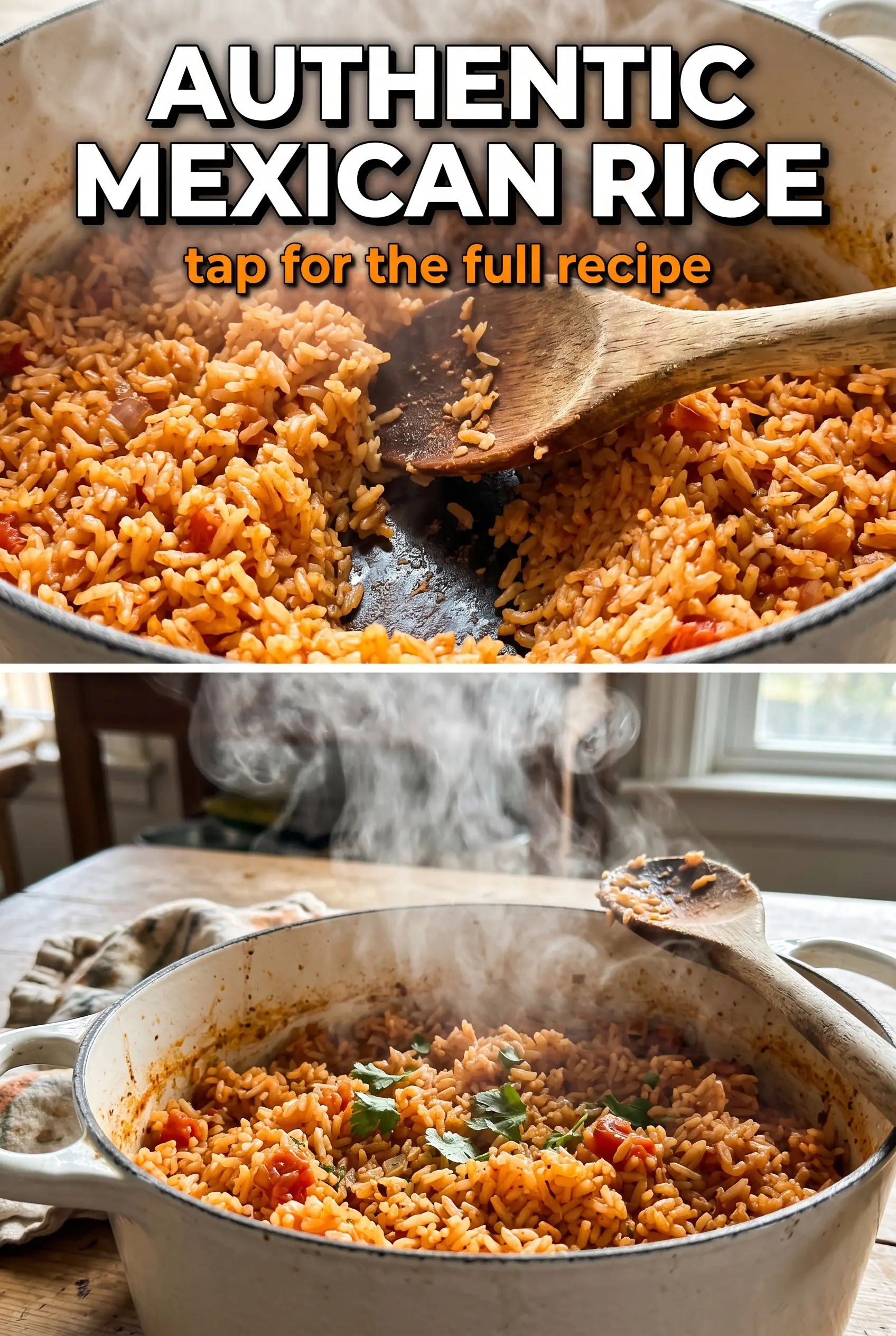
Authentic Mexican Rice
Ingredients
Equipment
Method
- Heat 2 tablespoons vegetable oil in a large saucepan over medium heat and add 2 cups long-grain white rice, stirring constantly until it becomes translucent and lightly toasted, about 3-4 minutes (you should see the grains turning glassy and fragrant).
- Add 1/2 white onion (finely diced) and 3 cloves garlic (minced), then cook for 1-2 minutes until fragrant (the mixture should smell sharp and aromatic).
- Stir in 1 can (15 oz) tomato sauce and cook for 1-2 minutes (you should see the sauce thicken slightly and start to simmer).
- Add 2 cups chicken broth, 1/2 cup diced carrots, 1/2 cup frozen peas, 1 bay leaf, 1/2 teaspoon cumin, salt, and pepper to the saucepan.
- Bring the mixture to a boil, then reduce heat to low, cover, and simmer for 15 minutes (the rice should absorb most liquid and look tender with no dry pockets).
- Remove from heat and let rice rest covered for 5 minutes (steam should finish settling the grains).
- Fluff the rice with a fork and remove the bay leaf (the rice should look light and separate, not sticky).
- Garnish with fresh cilantro before serving (finish with green flecks on top for a vibrant look).